



Shell Carved Chairs
Shell carved chairs bring classical motifs into domestic seating, pairing functional forms with carved decoration across centuries of cabinet making.
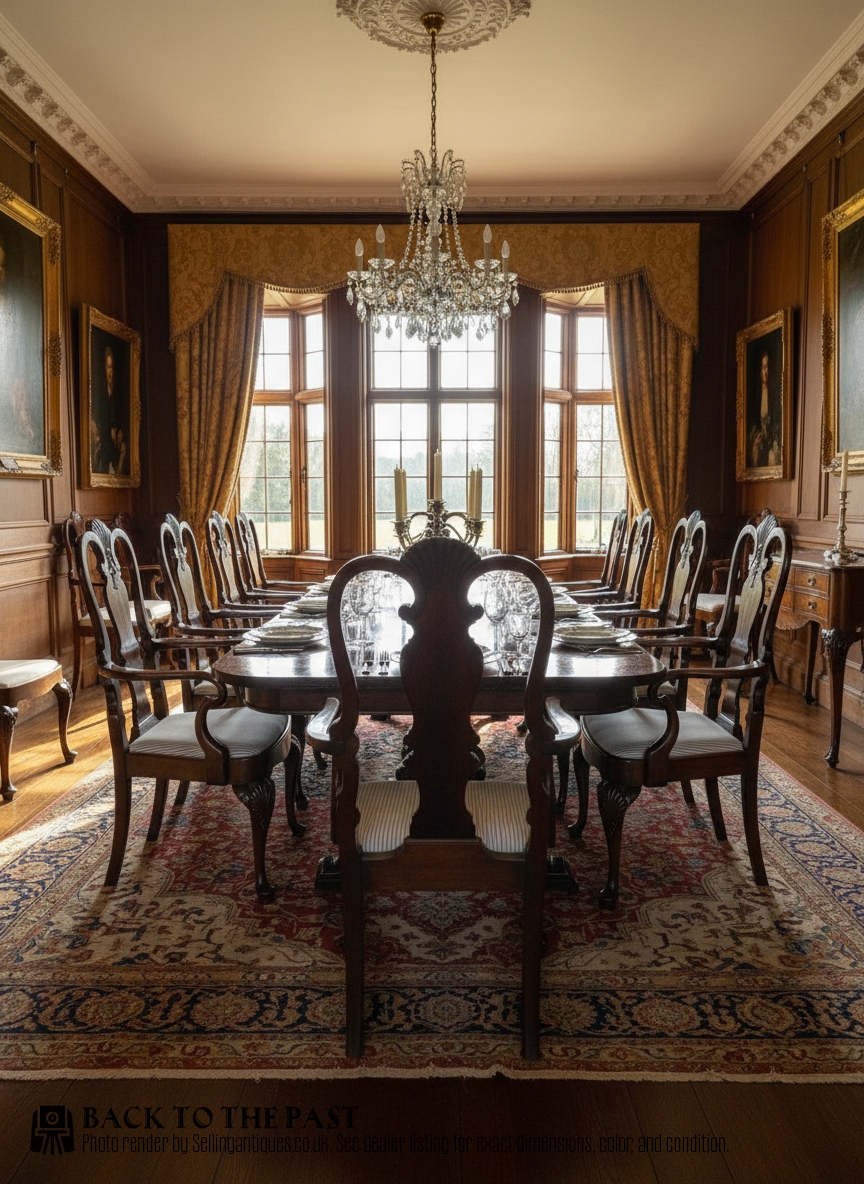
Shell Carved Chairs
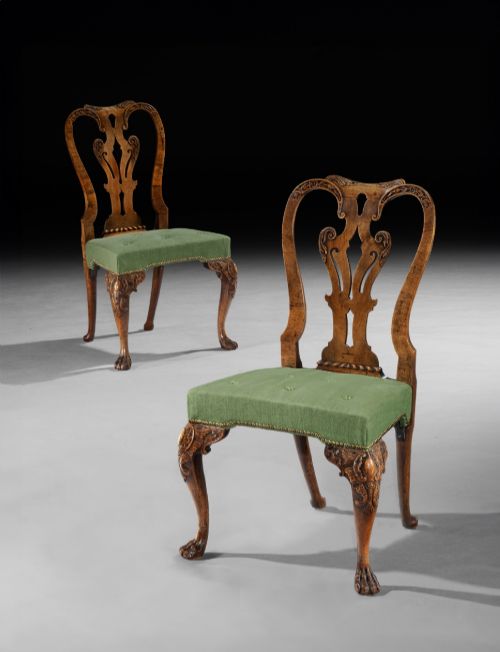
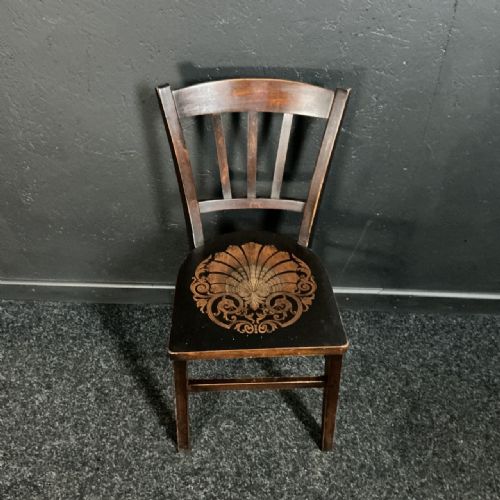
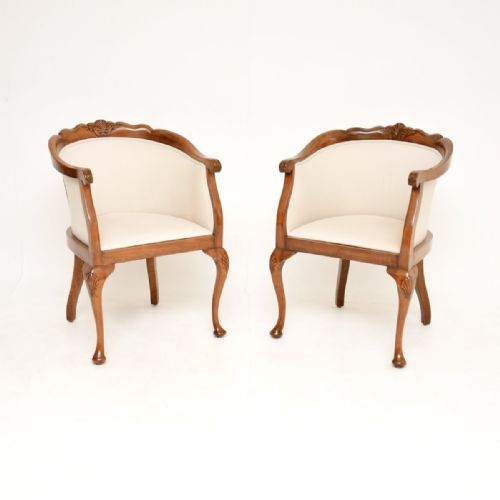
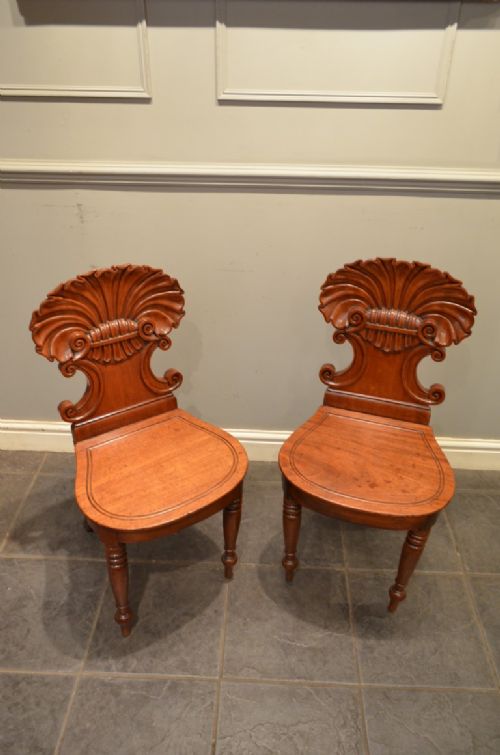
Shell carved chairs encompass a diverse range of seating forms including dining chairs, hall chairs, armchairs, and music stools spanning the eighteenth to the early twentieth century. When exploring shell carved chairs, buyers encounter sturdy mahogany and walnut timbers fashioned into distinct regional and revival styles.
Materials and construction
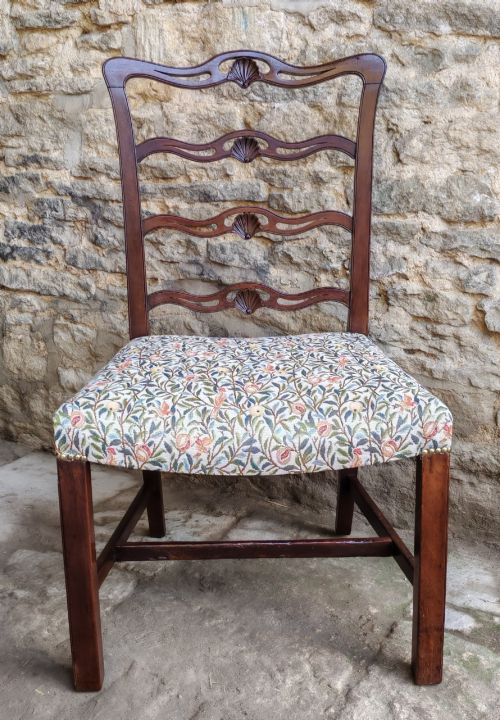
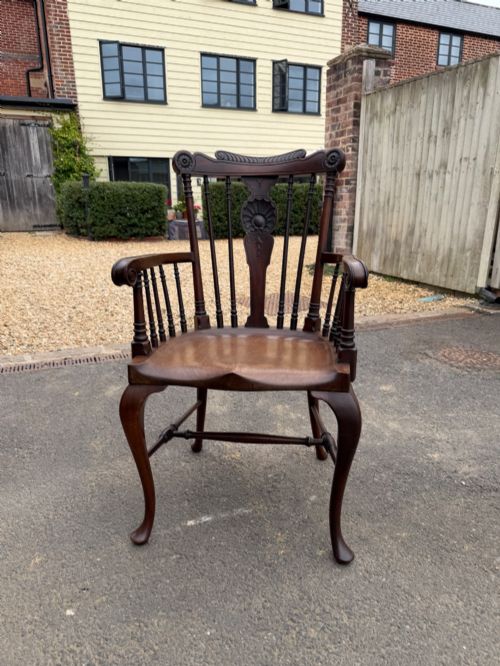
Cabinet makers utilised dense hardwoods such as mahogany and walnut to achieve crisp carved details along the crest rails and back splats. These durable timbers provided the structural integrity required for intricate relief work.
Joinery techniques combined traditional frame construction with applied decorative elements, occasionally incorporating secondary woods like beech or specialised inlays including brass and papier-mâché.
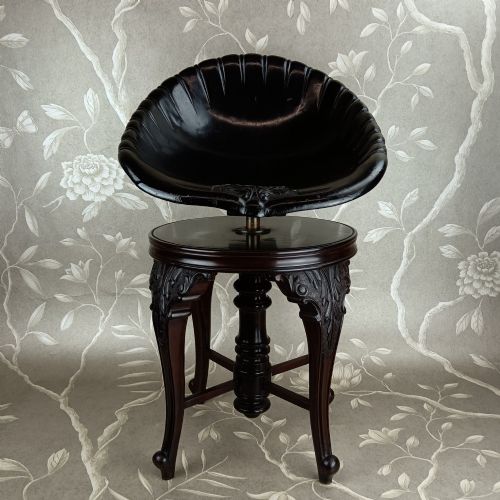
Papier-mâché revolving harpist stools prove that even Victorian musicians required durable seating with a theatrical flair.
Assessing craftsmanship and design
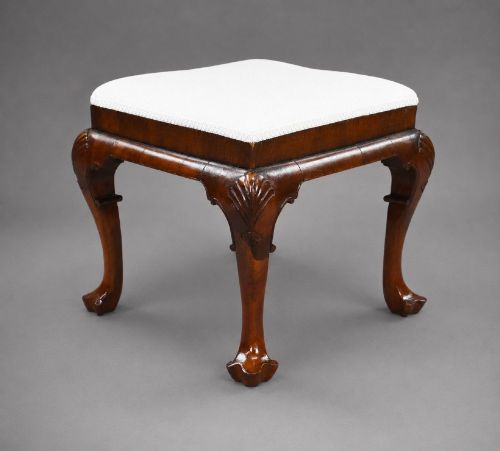
Quality in these pieces rests upon the depth and precision of the timber carving, where sharper definition in the fluting of the shell motif distinguishes finer examples. The proportional balance of the frame and the selection of figured wood grain further elevate the stature of a piece.
Makers who invested greater time in finishing details produced seating with superior structural harmony and enduring aesthetic presence, separating standard production items from exceptional workshop output.
Jennens and Bettridge·Gillows
The Shell Carved Chairs Glossary
- Hall chair
- A rigid wooden seat traditionally placed in entrance halls, often featuring a solid carved back rather than upholstery. These pieces were designed to display family crests or decorative motifs such as carved shells.
- Music stool
- An adjustable seat created for keyboard players, frequently built with a revolving mechanism or a papier-mâché base. They provide functional height adjustment alongside decorative woodwork.
- Splat
- The central vertical slat of a chair back connecting the seat to the top rail. Carved shell motifs are frequently applied directly to this structural element.
- Tub armchair
- A seating form featuring a continuous curved back and arms enclosing the sitter. Examples often incorporate upholstered panels framed in mahogany or walnut.
- Crest rail
- The uppermost horizontal member of a chair back. Cabinet makers concentrated their primary carved ornamentation along this prominent surface.
Shell Carved Chairs: Frequently Asked Questions
How do I date a shell carved chair?
Dating relies on observing the primary timber species, construction joinery, and stylistic revival cues visible in the frame.
Earlier pieces from the eighteenth century utilise dense native or imported woods with hand-cut joinery, whereas later revival items often exhibit nineteenth or twentieth-century manufacturing markers.
Where were hall chairs used?
Hall chairs were positioned in the entrance spaces or grand hallways of period homes rather than utilised for daily lounging.
Their rigid wooden construction and decorative carved backs served to impress visitors upon entry.
What is the difference between a side chair and an armchair?
Side chairs are built without armrests, making them compact enough to line dining tables or walls.
Armchairs incorporate structural side supports that offer additional upper body support for extended sitting.
How should I care for antique walnut woodwork?
Maintain walnut furniture by keeping it away from direct heat sources and sudden humidity shifts that can stress timber.
Apply traditional wax sparingly and buff gently with a soft cloth to preserve the natural finish.