





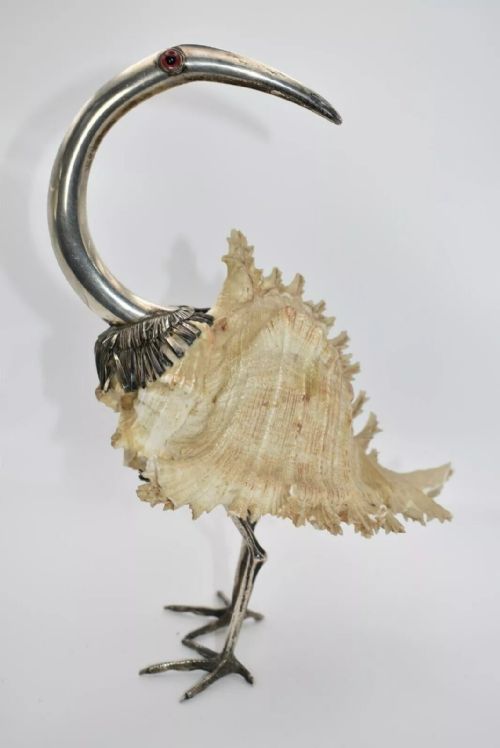
Shell Art Sculpture
These shell art sculpture pieces blend natural marine specimens with traditional craftsmanship, offering unique decorative statements for any interior.
Shell Art Sculpture
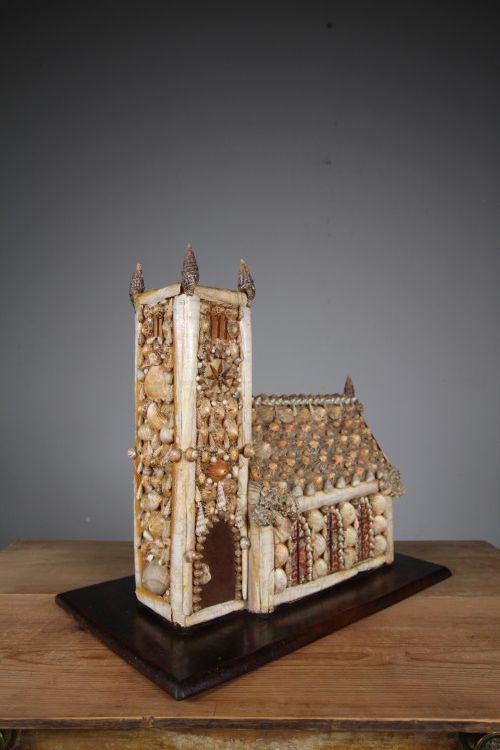
The nineteenth century provides many of the examples seen here, particularly elaborate church models and sailor figures adorned with seashells. Later twentieth-century works shift towards sculptural modernism, utilising silver alongside natural shells.
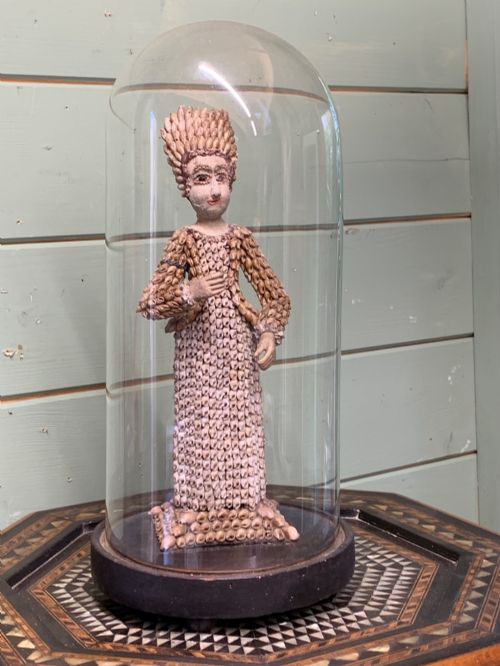
Figural centrepieces and decorative models dominate the available forms, often depicting water nymphs, bathers, or animals integrated with shell stands. These sculptural creations bridge natural history and decorative arts.
Materials and construction methods
Maker techniques rely heavily on the careful assembly of seashells onto rigid armatures constructed from cardboard, plaster, or wood. Artisans arrange varied shell sizes and types to form intricate architectural or figural surfaces.
Ceramic works integrate sculpted porcelain with modelled shell motifs, often finished with hand-painted polychrome colours. Metal components such as silver also appear in mid-century iterations, providing structural contrast to fragile marine shells.
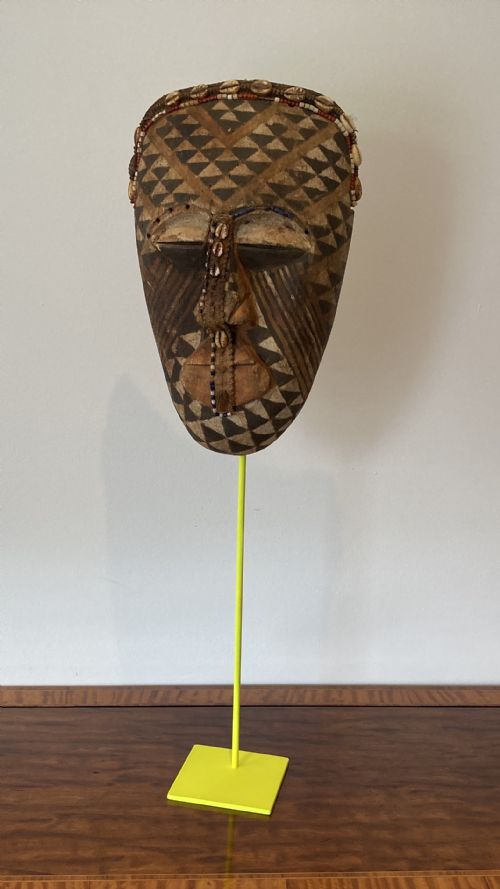
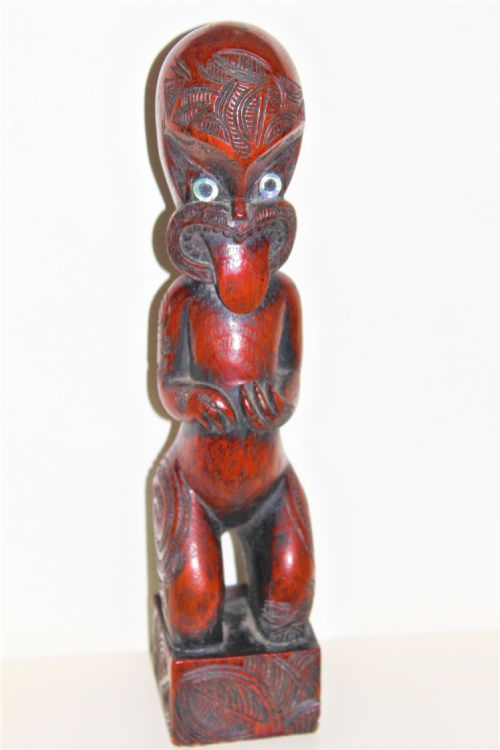
Tribal and ethnic works utilise native hardwoods and organic pigments alongside mother-of-pearl inlay, reflecting regional crafting traditions. Lacquer work applied to wood provides another distinct surface finish seen in Japanese okimono.
Shell Art Sculpture Retail Price Guide 2026
Typical asking prices for shell art sculpture among the pieces listed under this phrase on Sellingantiques today, from the lower quarter to the upper quarter. They describe what is for sale here now, not the wider market.
The listings span from the nineteenth century through to the 1960s, featuring materials like porcelain, lacquer, and silver alongside natural seashells.
Judging quality and execution
Quality in these sculptures rests upon the precision of the assembly and the condition of fragile organic materials. Finer examples display meticulous shell placement that conceals the underlying support structure entirely.
Artistic execution distinguishes mass-produced items from masterworks, particularly in figural porcelain and hand-carved wooden sculptures. The integration of the shell element with the primary figure shows intentional design rather than mere decoration.
Haruyama Shunzan·Royal Dux·Gabriella Binazzi
The Shell Art Sculpture Glossary
- Okimono
- A Japanese statuette intended for display, usually carved from wood or ivory and occasionally featuring lacquer or mother-of-pearl.
- Maritime folk art
- Decorative and utilitarian items made by sailors or coastal communities, frequently incorporating shells, baleen, and whalebone.
- Centrepiece
- A central ornamental object placed on a dining table or sideboard, often taking a large figural or sculptural form.
- Polychrome
- Decorated in several colours, a technique frequently used on nineteenth-century porcelain figures and painted stands.
Shell Art Sculpture: Frequently Asked Questions
What defines a shell art sculpture?
These sculptures combine natural seashells with materials like wood, porcelain, plaster, or metal to create decorative objects and figures. They range from nineteenth-century maritime folk art to mid-century modern artistic creations.
Makers utilised organic marine specimens to build architectural models, figural centrepieces, and animal sculptures, integrating natural textures into fine art forms.
How were nineteenth-century shell sculptures made?
Artisans constructed a rigid armature using materials such as cardboard, plaster, or wood, and then meticulously applied individual seashells to form decorative surfaces. This labour-intensive process required patience and a careful eye for pattern.
Many pieces also incorporated hand-painted details or sculptural porcelain elements to complete figures like sailors, church models, or water nymphs holding shell stands.
Where should I display a shell sculpture?
These decorative objects work well as focal points on sideboards, mantels, or central tables where their intricate detail can be appreciated up close. Larger figural centrepieces require stable surfaces with adequate space around them.
Protecting them from direct sunlight and excessive humidity helps preserve the delicate organic nature of the shells and painted surfaces over time.
How do I distinguish nineteenth-century pieces from later works?
Nineteenth-century examples often lean towards maritime folk art, elaborate sailor work, and ornate porcelain centrepieces with classical or romantic motifs. The choice of materials, such as traditional plaster armatures and specific porcelain marks, helps indicate age.
Mid-century pieces, by contrast, frequently incorporate modern metals like silver and adopt cleaner modernist or abstract sculptural lines while still featuring natural sea shells.