






Sheffield Plate Urn
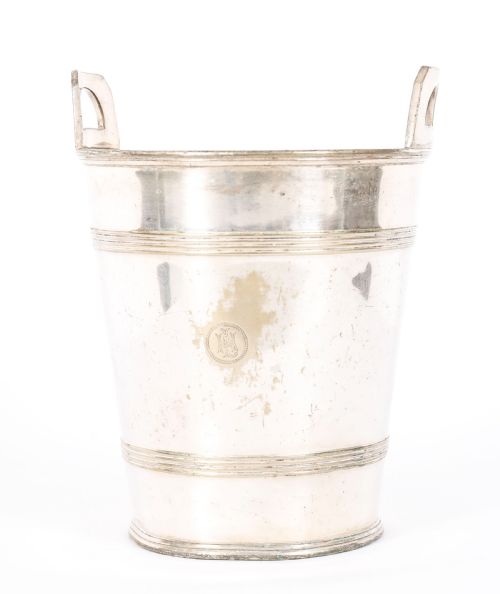
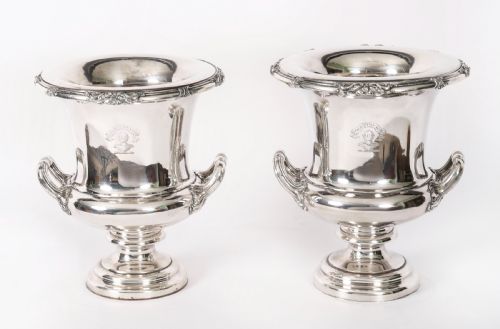
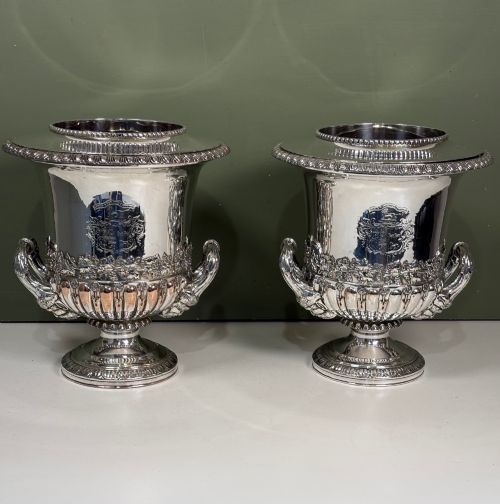
These sheffield plate urn pieces combine fused metal technique with classical forms, offering practical service and display presence.
Sheffield Plate Urn
A search for sheffield plate urn brings together hollowware vessels designed for the table and sideboard, spanning tea urns, samovars, and wine coolers. These pieces emerge chiefly from the Georgian, Regency, and Victorian periods, often taking the campana shape or traditional vase silhouette.
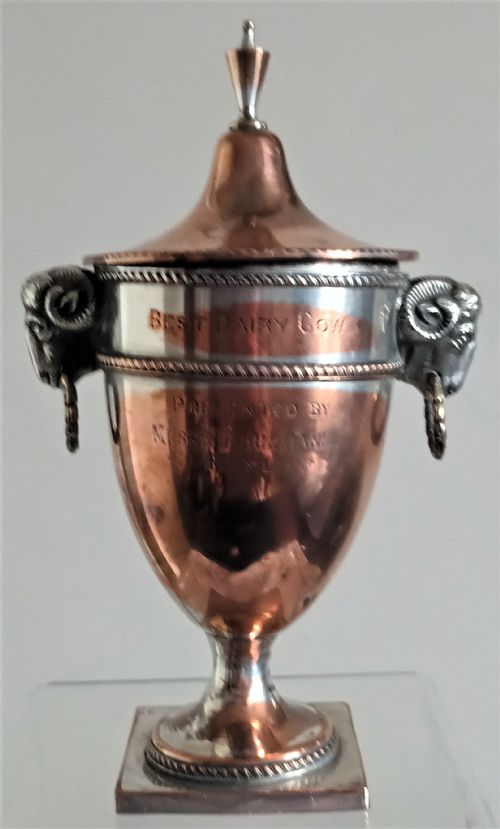
The examples found here range from large hot-water urns with taps to miniature chestnut urns and wine coolers. Most items date to the late eighteenth and early nineteenth centuries, reflecting the peak era of Old Sheffield Plate production.
Material and construction
Old Sheffield Plate is created by fusing a thin sheet of silver to a thicker copper base under heat, then rolling the combined metals into sheets. This fused method differs from later electroplating, showing a subtle warmth where the underlying copper occasionally reveals itself at high points or edges.
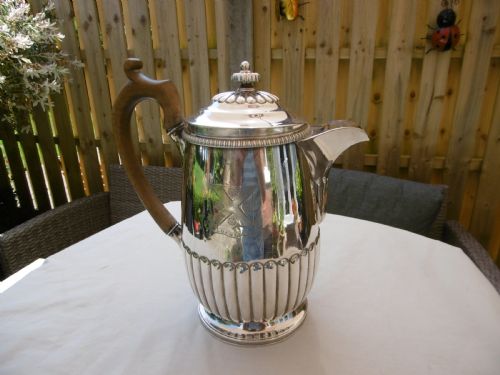
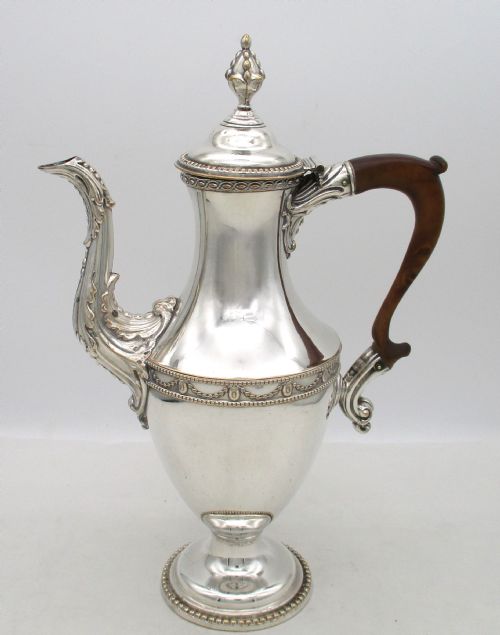
Maker techniques involve hand-raising the body, soldering cast mounts and handles, and applying silver wire borders to conceal exposed copper seams. Details such as applied crests, lion mask handles, and turned wood bases enrich the construction.
Miniature chestnut urns prove that Georgians took their roasted snacks with immense architectural seriousness.
Craft and preservation
Quality rests in the crispness of cast ornament and the proportion of the vessel. Sharply defined campana rims, well-balanced handles, and intact silver edges distinguish finer workshops from standard production.
Condition involves the balance of remaining silver plating against the visible copper base. Pieces retaining substantial original silver plating without heavy re-plating show superior preservation.
Matthew Boulton·John Hoyland·Walker & Hall·Hutton Sheffield·James Dixon and Son
The Sheffield Plate Urn Glossary
- Old Sheffield Plate
- A composite metal formed by fusing silver to copper, produced before the invention of electroplating. This technique creates a distinctive dual-metal structure.
- Campana
- A bell-shaped vessel profile common in classical wine coolers and urns. This silhouette defines many Regency period pieces.
- Samovar
- A heated metal urn used to boil and dispense water for tea. These vessels typically feature a central vertical pipe for heating and a small spigot tap.
- Chestnut Urn
- A small decorative covered urn used at the dining table for serving chestnuts or fruit. Miniature versions appear in Georgian collections.
- Fuse
- The manufacturing process of bonding silver and copper sheets through heat. This metallurgical bond forms the foundation of genuine Old Sheffield Plate.
Sheffield Plate Urn: Frequently Asked Questions
What is Old Sheffield Plate?
Old Sheffield Plate is an early form of silver plating created by fusing a thin layer of sterling silver to a copper ingot. The combined metal is then rolled into sheets for crafting hollowware.
This technique precedes electroplating and leaves subtle clues, such as copper bleeding through edges where the silver wears thin over generations of use.
How do I use a samovar?
A samovar functions as a heated vessel for boiling and dispensing water for tea. Water fills the main body, while an internal cylinder holds heated metal to maintain the temperature.
Today, these large urns serve as striking decorative centerpieces on sideboards rather than functional tea-making equipment.
How can I tell Regency pieces apart?
Regency items display classical architectural influences, favouring strict campana profiles, bold handles, and minimal surface ornamentation. Earlier Georgian pieces often incorporate more Rococo scrollwork or elaborate surface engraving.
Checking the proportions, base design, and handle attachment helps establish the exact period of manufacture.
Why do some pieces show copper?
The copper showing beneath the silver is a natural characteristic of genuine Old Sheffield Plate. Because the silver layer is physically fused to a copper core, polishing and wear over centuries gradually reveal the base metal.
This telegraphs authenticity to collectors who value the physical history of fused metal objects.