


Sheet Music Furniture
Sheet music furniture holds scores and periodicals in timber stands, cabinets, and canterburys designed to keep domestic parlours orderly.
Sheet Music Furniture
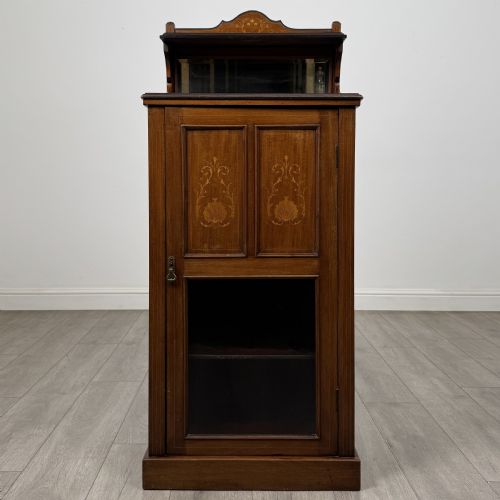
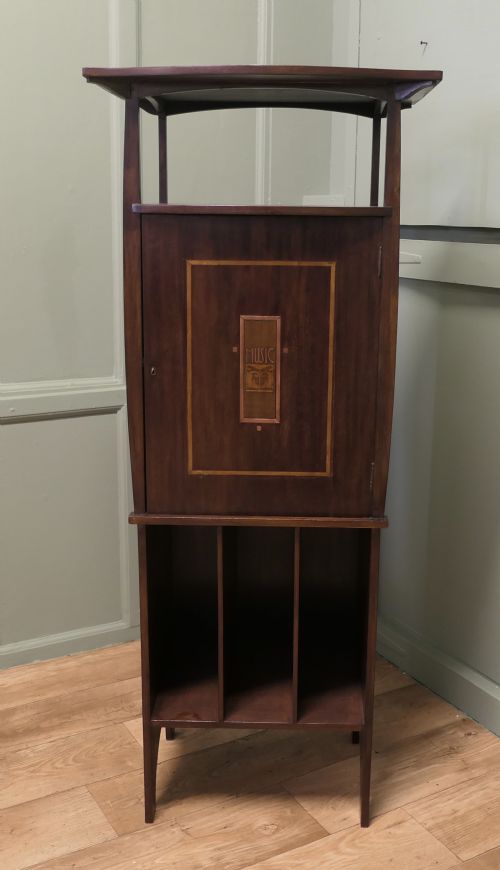
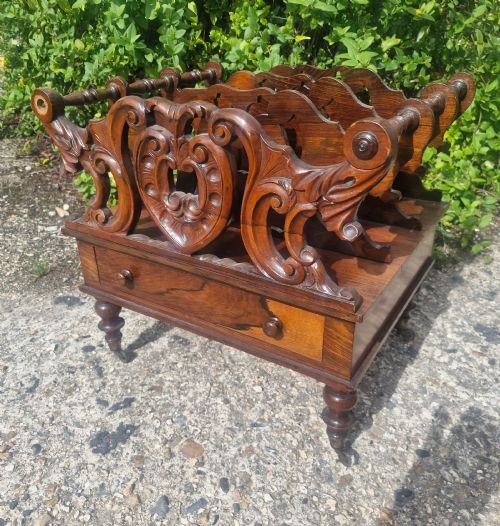
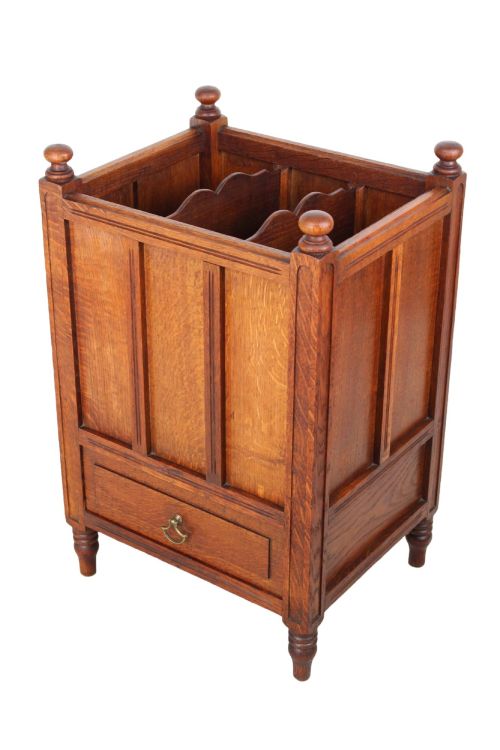
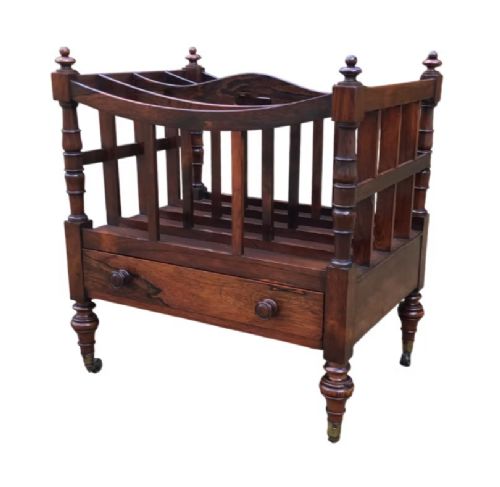
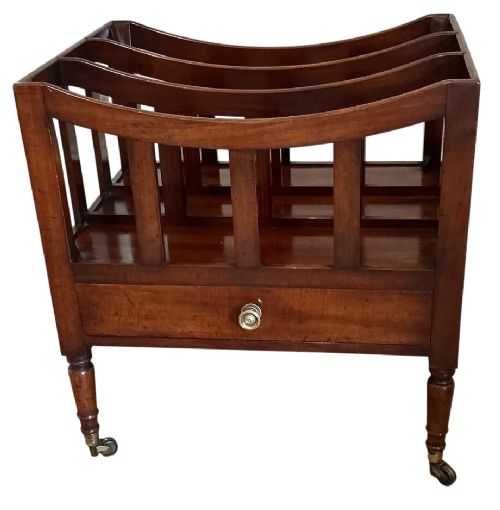
Sheet music furniture comprises dedicated storage forms including canterburys, music cabinets, stands, and magazine racks built to house paper scores. These pieces date from periods such as the Regency, William IV, Victorian, and Edwardian eras, reflecting changing domestic musical habits. Buyers encounter diverse structural types, from compartmented canterburys with slotted divisions to vertical cabinets fitted with internal drawers.
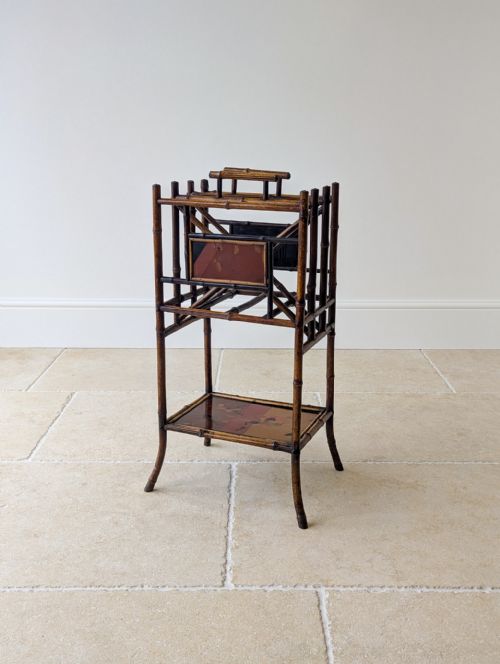
The selection ranges from early nineteenth-century mahogany designs to later aesthetic movement bamboo pieces and inlaid burr walnut items. Formats vary from low floor-standing canterburys with carrying handles to tall music cabinets incorporating work tops or open shelves. Each variation served a specific function in the Victorian and Edwardian parlour, holding unbound sheets and folios upright.
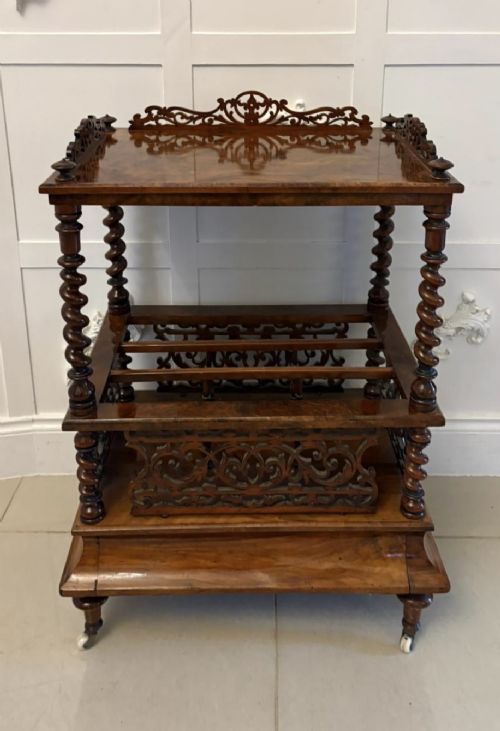
Makers and workshops utilised specific regional styles, producing Scottish Arts and Crafts designs alongside French Art Nouveau cabinets and English freestanding pieces. The inventory includes specialised forms such as duet music stands and multi-tier whatnots adapted for reading material. Selecting a piece involves matching the historical timber and period style to modern interior storage needs.
Assessing quality and execution
Quality rests upon the selection of timber veneers, particularly the richness of burr walnut or the depth of polished mahogany and rosewood surfaces. Superior examples display refined cabinetmaking through tight joinery, carefully fitted internal drawers, and harmonious proportions. Ornate marquetry inlay and subtle carving elevate certain pieces beyond standard utilitarian furniture.
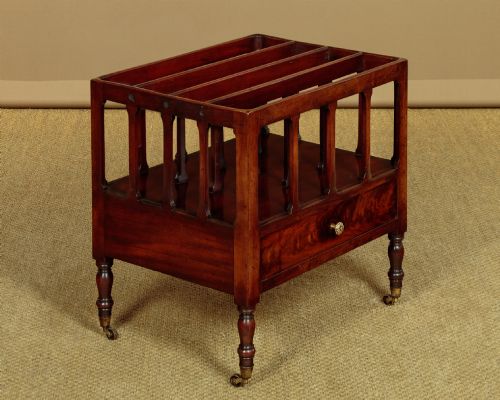
Hardware integrity separates better items, seen in original brass castors, working locks, and sturdy slatted divisions that withstand daily use. The retention of original tiered structures, work tops, and matching elements dictates the overall integrity of the piece. Master workshops invested greater care in finishing concealed surfaces and structural framing.
Victorian musical households needed dedicated furniture because loose sheet music was notoriously prone to sliding off piano ledges and causing domestic chaos.
GM Elwood for JS Henry·Gabriel Viardot·Denby and Spinks·Gillows·Edwards and Roberts
The Sheet Music Furniture Glossary
- Canterbury
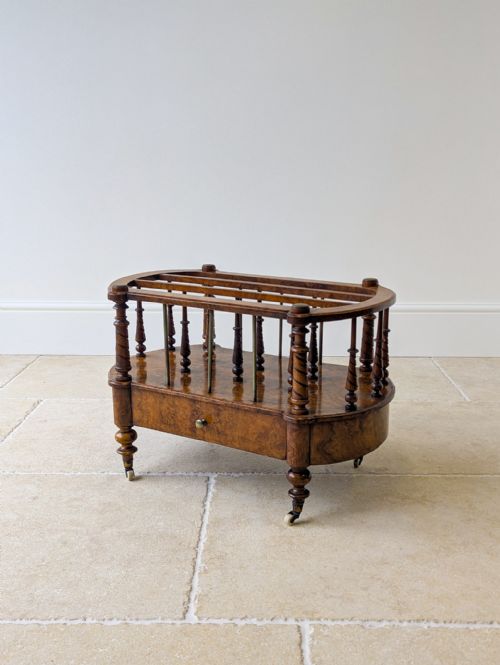
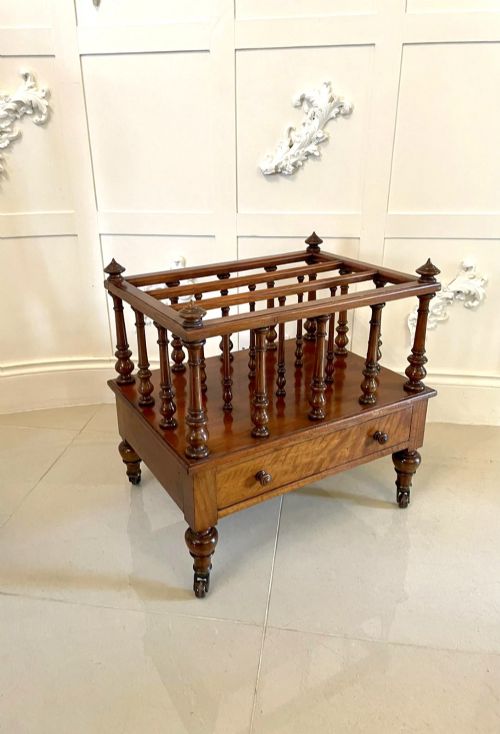
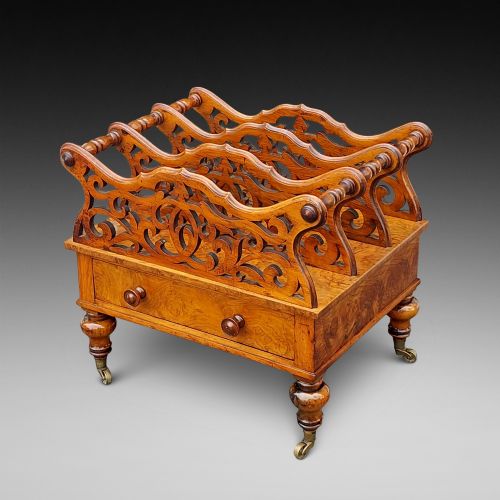
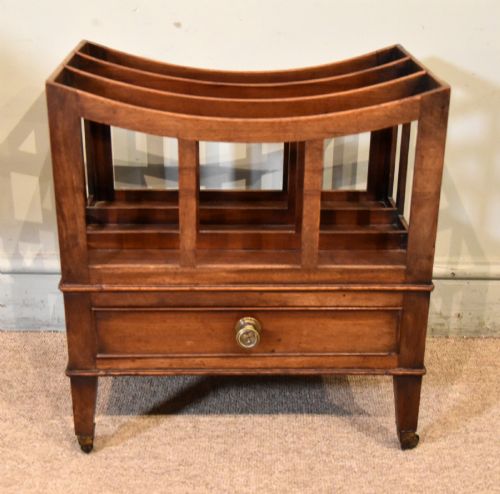
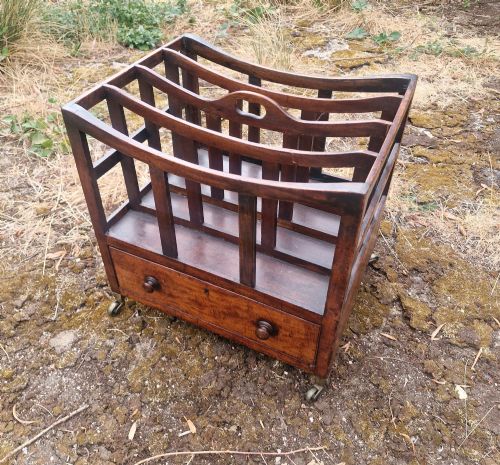
- A low, open-framed stand featuring vertical partitions designed for holding sheet music, folios, or newspapers. These pieces typically include carrying handles and often feature a small drawer beneath the slatted compartments.
- Music Cabinet
- An upright enclosed piece of furniture fitted with internal shelves or drop-down drawers for organising sheet music. Edwardian and Victorian versions frequently incorporated glazed doors or mirrored backs.
- Burr Walnut
- A highly decorative wood veneer harvested from the knot growths of walnut trees, prized for its swirling grain patterns. Cabinetmakers utilised this material on the primary exterior surfaces of high-status Victorian furniture.
- Aesthetic Movement
- A late nineteenth-century design style that favoured simplicity, Japanese artistic influences, and materials like bamboo. Pieces from this movement often rejected heavy Victorian ornamentation in favour of lighter structural forms.
- Whatnot
- A multi-tiered shelving unit used for displaying decorative objects or storing books and periodicals. These open furniture forms sometimes combined with canterburys to create versatile parlour pieces.
Sheet Music Furniture: Frequently Asked Questions
What is a canterbury used for?
A canterbury was designed to hold sheet music, folios, and periodicals upright in divided compartments near a piano or seating area. The lower drawer provided extra storage for smaller accessories and writing materials.
Today, these versatile stands serve equally well for modern magazines, vinyl records, and books in a living room.
How do I date a music cabinet?
Dating relies on identifying the prevailing timber choices, hardware styles, and structural characteristics associated with specific historical eras. Regency and William IV pieces lean towards heavy mahogany, whereas Edwardian examples often feature lighter inlaid satinwood or walnut.
Makers' stamps, construction methods, and regional design traits also help narrow down the exact decade of manufacture.
Are music cabinets suitable for modern homes?
These compact cabinets fit neatly into contemporary spaces because they provide vertical storage without occupying a large floor footprint. Their enclosed shelves or drawers hide clutter effectively while adding period character to a room.
Collectors utilise them beside armchairs or desks to store papers, electronics, and daily reading materials.
What timber was most popular for music furniture?
Mahogany dominated earlier nineteenth-century production due to its strength and rich red-brown hue, while burr walnut gained immense favour during the Victorian period. Rosewood and oak also appeared regularly across various stylistic movements.
Cabinetmakers selected these hardwoods for their durability and capacity to take a high polished finish.