




Sevres Bleu Celeste
Sevres bleu celeste brings vibrant turquoise porcelain into rooms through eighteenth-century forms and nineteenth-century revivals.
Sevres Bleu Celeste
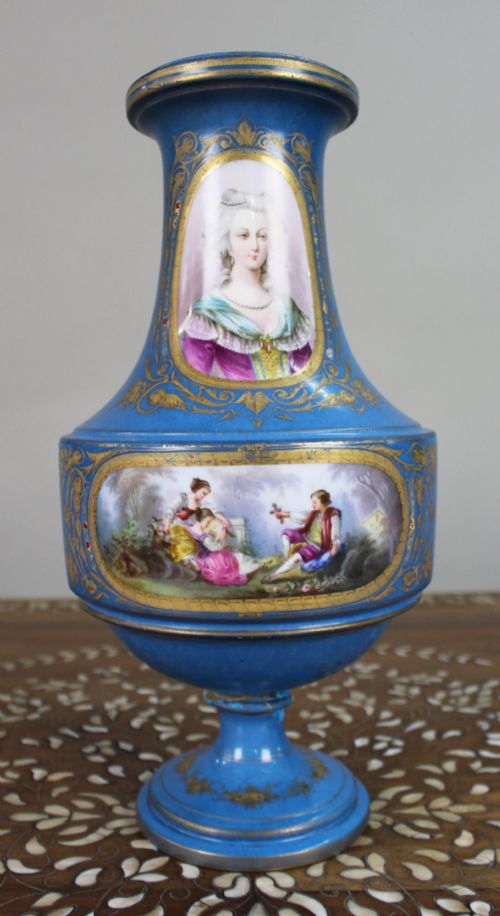
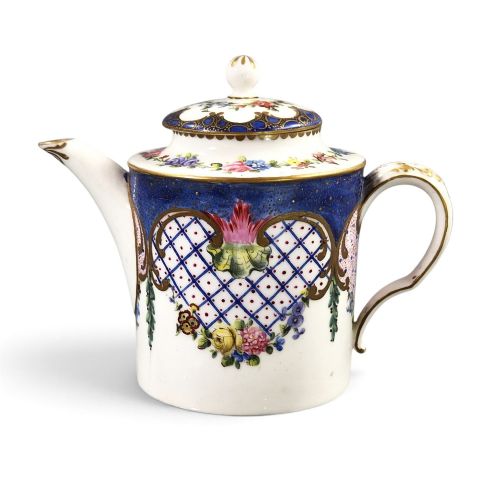
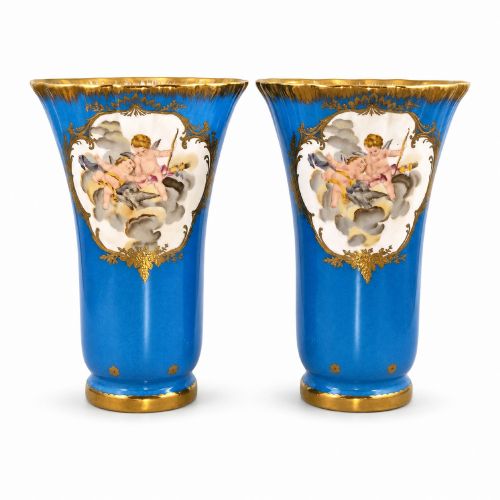
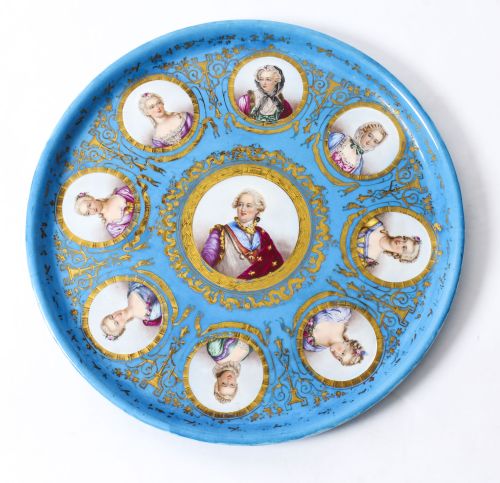
Sevres bleu celeste pieces encompass decorative urns, wall sconces, vases, cabinet plates, table lamps, candelabra, teapots, and clock sets defined by a distinctive bright turquoise ground colour. When searching for sevres bleu celeste, collectors encounter items spanning the eighteenth century through to the nineteenth century, including pieces produced during the Louis XV period alongside later French interpretations.
Forms range from large lidded vases and comports to jewellery caskets and wall lights, frequently incorporating painted scenes after Watteau alongside classical motifs. Buyers find both soft-paste porcelain from seventeen seventy-two and later hard-paste productions mounted for display.
How they were made
Makers utilised porcelain as the primary body, applying the characteristic bleu celeste ground colour before hand-painting panels with figures, birds, or floral compositions. Glazed surfaces were often enriched with enamel details and gilt embellishments to frame the central pictorial reserves.
Metal mounts in ormolu, gilt bronze, and gilt metal were cast and chased to support or encase the porcelain bodies, particularly on urns, candelabra, and clocks. These bronze and brass elements were secured with threaded fixings or pins, framing the turquoise ceramic with rococo revival scrollwork and classical foliage.
Sevres Bleu Celeste Retail Price Guide 2026
Typical asking prices for sevres bleu celeste among the pieces listed under this phrase on Sellingantiques today, from the lower quarter to the upper quarter. They describe what is for sale here now, not the wider market.
Listings feature eighteenth-century soft-paste porcelain alongside nineteenth-century French hard-paste bodies mounted in ormolu, gilt bronze, and gilt metal.
What varies in quality
The finesse of the hand-painted reserves dictates much of the distinction between ordinary and exceptional pieces, particularly in figurative scenes and facial expressions. Crispness in the chasing of the ormolu mounts and the weight of the bronze casting further separate standard factory work from finer studio output.
The brilliance and evenness of the turquoise enamel ground colour, together with the crisp application of gold leaf gilding, reflect the skill applied during firing. Well-preserved gilding without excessive rubbing indicates careful historical handling of these porcelain surfaces.
Samson Paris·Miroy Freres
The Sevres Bleu Celeste Glossary
- Bleu celeste
- A bright turquoise blue enamel ground colour developed at the Sevres factory during the eighteenth century. It remains one of the most recognisable decorative backgrounds in French porcelain history.
- Ormolu
- Gilt bronze mounts applied to furniture, clocks, and porcelain vessels to enhance their decorative impact. The technique involves applying a gold amalgam to cast bronze before heating.
- Comport
- A decorative pedestal dish or bowl raised on a foot, used historically for serving fruit or sweetmeats. In nineteenth-century porcelain, these often feature painted panels and gilt bronze mounts.
- Soft-paste
- An early porcelain body composed of white clay and powdered glass fired at lower temperatures than hard-paste. This composition produces a softer lustre and interacts differently with glazes and enamels.
- Litron
- A cylindrical teacup with straight sides and a simple loop handle, popular in eighteenth-century porcelain production. The form frequently appears on saucers matching cabinet tea wares.
Sevres Bleu Celeste: Frequently Asked Questions
What is bleu celeste porcelain?
Bleu celeste is a distinctive bright turquoise blue ground colour used on porcelain wares, most famously associated with the Sevres factory in France.
This vibrant hue was often used to frame hand-painted panels depicting classical figures, romantic scenes, or floral motifs.
How do I date these pieces?
Dating relies on examining the porcelain body, style of painting, mount construction, and any factory marks present on the base.
Eighteenth-century items generally feature soft-paste bodies and early soft glazes, whereas nineteenth-century revival pieces utilise harder porcelain and heavier ormolu mounts.
Are all these items made by Sevres?
Many items are made in the Sevres style or manner by other European factories rather than the royal French manufactory itself.
Nineteenth-century makers such as Samson in Paris reproduced these popular aesthetic styles using similar techniques and turquoise ground colours.
How were ormolu mounts attached?
Ormolu mounts were custom-cast to fit the contours of porcelain vases, urns, and caskets using pins, screws, or secure adhesives.
These bronze elements served both a structural purpose in repairing or reinforcing ceramic bodies and a decorative one within revival interiors.