


Set 6 Rosewood Chairs
When you search for a set 6 rosewood chairs, you find formal dining seating shaped by Regency and Victorian joinery.
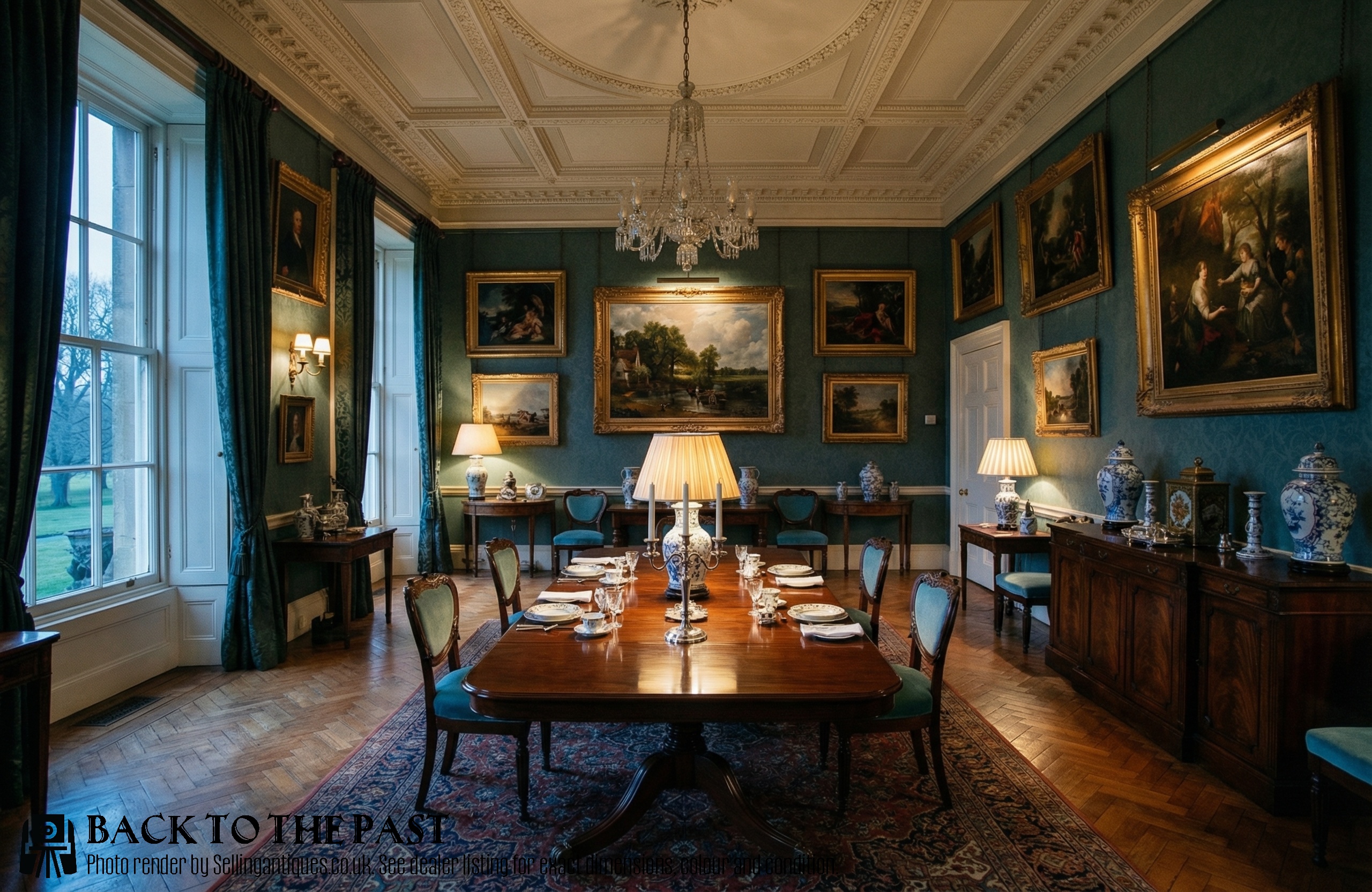
Set 6 Rosewood Chairs
A set 6 rosewood chairs typically comprises matching dining seats produced during the nineteenth century. These groupings include Regency, William IV, and Victorian iterations designed for domestic dining rooms.
How they were made
Cabinetmakers utilised dense rosewood and occasionally mahogany or padauk, shaping frames through traditional joinery techniques. Brass inlay, marquetry, and metal mounts were embedded into the wood surfaces for ornamentation.
Upholstery completed the seating, incorporating fabric, velvet, needlepoint, and cane inserts secured over webbing or padding.
Listings span the nineteenth century, capturing Regency, William IV, and Victorian periods alongside simulated rosewood and brass inlay.
What varies in quality
The integrity of the timber framing and the precision of carved details distinguish finer examples from standard production. Grain figure and the retention of original brass inlay or needlepoint seats elevate the standing of a suite.
The accuracy of historical styling, from Regency curves to Victorian balloon backs, dictates the execution level achieved by the maker.
The Set 6 Rosewood Chairs Glossary
- Rosewood
- A dense, heavy tropical timber prized for its dark grain and polished finish. It served as the primary material for high-status nineteenth-century dining furniture.
- Balloon Back
- An oval chair back shaped like a rounded balloon, popular during the Victorian era. This form offered ergonomic support while displaying decorative wood grain.
- Simulated Rosewood
- Painted or stained timber treated to mimic the distinct grain pattern of genuine rosewood. This technique provided an alternative aesthetic for dining sets.
- Brass Inlay
- Thin strips of brass fitted flush into carved channels within the wood surface. Regency pieces often deployed this method in geometric or floral motifs.
Set 6 Rosewood Chairs: Frequently Asked Questions
How do I date a set of chairs?
Dating relies on stylistic markers such as Regency brass inlay or Victorian balloon backs. Timber choice and construction methods further clarify the production period.
Examining joinery details helps separate early nineteenth-century pieces from later reproductions or revivals.
Are simulated rosewood chairs genuine antiques?
Simulated rosewood chairs are period pieces created by painting alternative woods to replicate tropical timber grain. Makers used this method during the Regency era.
These painted versions hold historical authenticity equal to solid timber examples from the same decades.
How were these chairs used historically?
Dining chairs functioned around formal tables in domestic townhouses and country residences. Larger suites accommodated extended family meals and dinner parties.
Sets of six provided standard seating before larger dining gatherings demanded expanded table arrangements.
Can I use antique rosewood chairs daily?
Nineteenth-century dining chairs tolerate regular daily use provided the joinery remains stable and sound. Periodic checks of the frame prevent structural loosening.
Upholstery and cane seats benefit from gentle maintenance to preserve historical fabric integrity.