



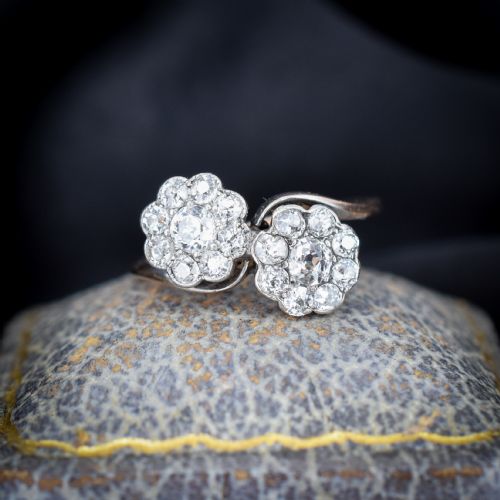


Second Hand Gold
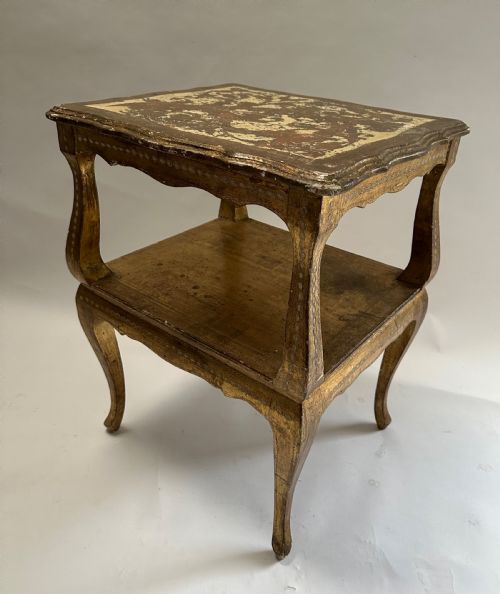
Second hand gold items span centuries of craft, offering solid gold jewellery alongside gilt furnishings and watches.
Second Hand Gold
When searching for second hand gold, buyers encounter a diverse selection ranging from Edwardian diamond rings and solid gold wristwatches to gilt furniture and porcelain.
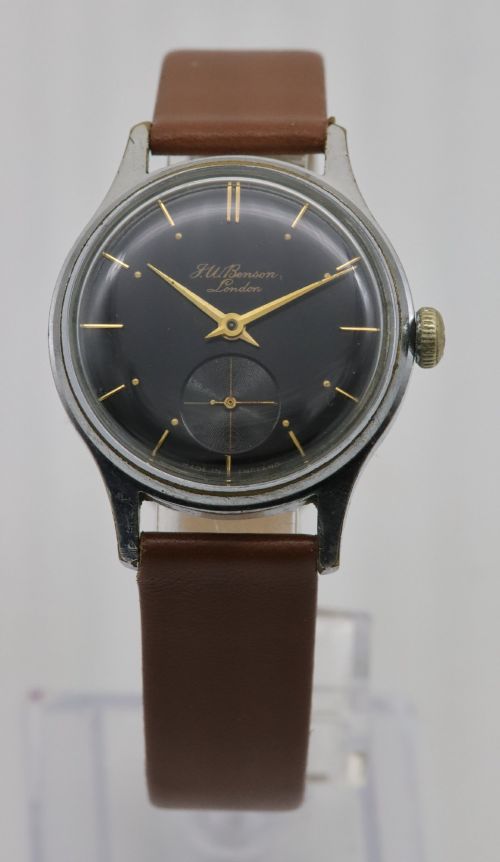
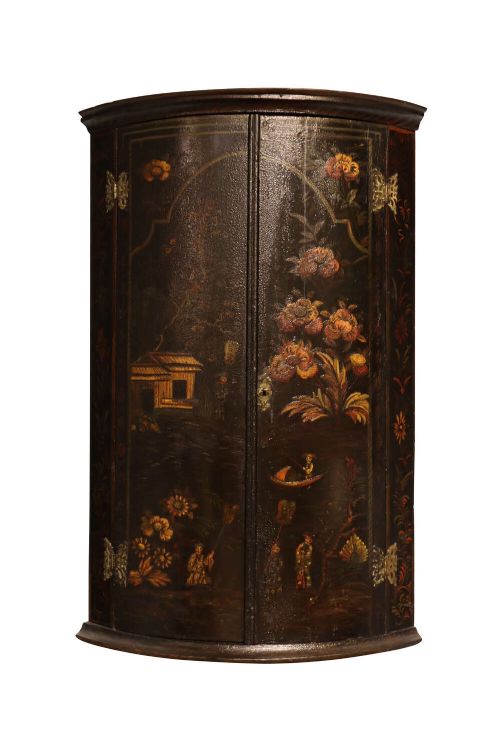
The pieces appearing here include 19th-century lacquer cabinets, mid-century watches by makers such as Omega and Smiths, and hand-painted ceramics from factories like Royal Worcester and Derby.
This inventory bridges personal adornment and decorative arts, bringing together items shaped by periods from the Georgian era through to Mid-Century Modern design.
Materials and construction
Makers utilised precious metals like solid 9ct gold for jewellery and watches, alongside gold leaf and gilt paint to embellish wood, brass, and leather surfaces.
Ceramic pieces rely on porcelain bodies decorated with hand-painted enamel and gilding, while cabinetry employs lacquering techniques seen in both European Chinoiserie and Qing Dynasty styles.
Timepieces combine intricate mechanical movements with precious metal cases, demonstrating precision engineering housed in valuable materials.
Second Hand Gold Retail Price Guide 2026
Typical asking prices for second hand gold among the pieces listed under this phrase on Sellingantiques today, from the lower quarter to the upper quarter. They describe what is for sale here now, not the wider market.
Department store shop signs stand shoulder to shoulder with delicate porcelain teacups, proving that history is both massive and miniature.
Distinguishing finer examples
Quality reveals itself in the preservation of original hand-painted details on ceramics and lacquerware, where crisp brushwork distinguishes superior artisan output from standard trade pieces.
In timepieces and jewellery, the integrity of the original components and hallmarks governs desirability, separating untouched examples from heavily altered pieces.
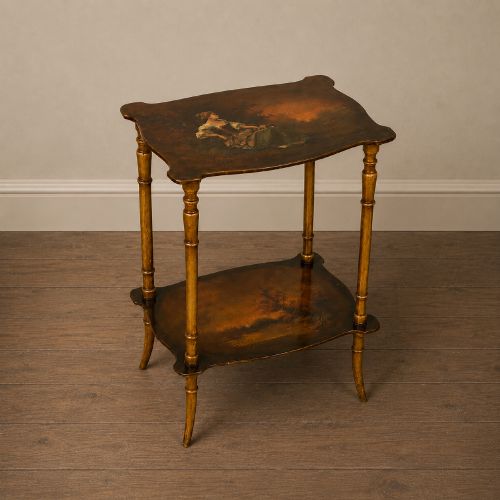
Furniture and cabinetry quality rests upon the depth of the lacquer finish, the stability of the wood, and the retention of authentic gilding rather than modern respray work.
International Watch Company IWC·Zachariah Boreman·Royal Worcester
The Second Hand Gold Glossary
- Gilt
- Covered thinly with gold leaf or gold paint. This technique adds decorative radiance to wood, metal, and ceramic surfaces.
- Chinoiserie
- European artistic style reflecting Chinese motifs. Popular in furniture and decorative items throughout the Georgian and later periods.
- Old Cut
- Diamond cutting style prevalent before modern brilliant cuts. These stones feature smaller tables and larger facets, producing a softer candlelit sparkle.
- Hallmark
- Official stamp applied to precious metals indicating purity and origin. It provides reliable evidence of a piece's material composition and date.
Second Hand Gold: Frequently Asked Questions
How do I date second hand gold jewellery?
Dating relies heavily on style markers, gem cuts, and official hallmarks stamped into the metal.
Examining the construction methods and the specific alloy standards helps narrow down the period of manufacture.
Are gilt items made of solid gold?
No, gilt items consist of a base material like wood, brass, or porcelain coated with a very thin layer of gold leaf or paint.
Solid gold is typically reserved for jewellery and watch cases rather than large decorative furnishings.
How should I care for antique lacquer?
Antique lacquer requires gentle dusting with a soft, dry cloth and protection from direct sunlight and extreme humidity.
Avoid using commercial chemical cleaners or polishes that can permanently damage the delicate surface.
What defines an old cut diamond?
Old cut diamonds are hand-faceted stones shaped before the invention of modern automated cutting machinery in the twentieth century.
They typically display smaller tables and higher crowns, casting a distinctive, charming glow under ambient light.