



Second Empire Furniture
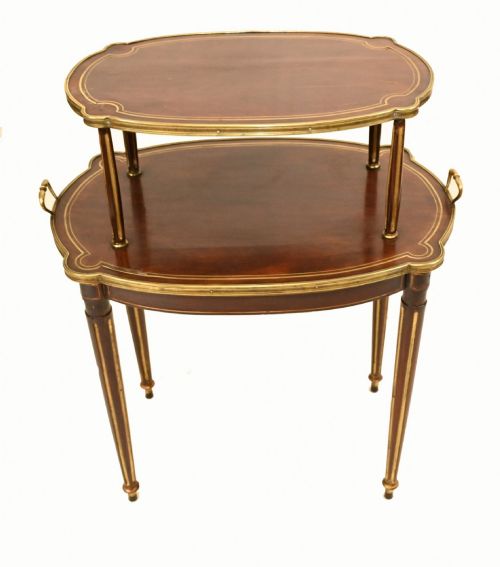
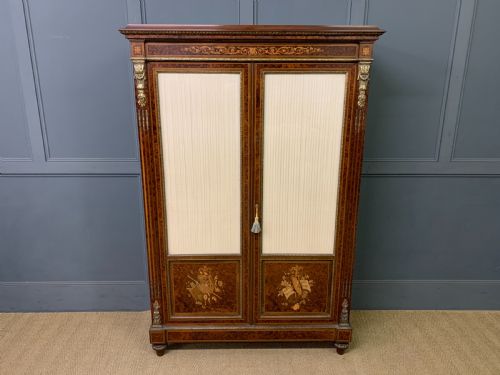
Second empire furniture brings grand nineteenth-century French and revival aesthetics into your rooms through striking architectural forms and rich contrasting veneers.
Second Empire Furniture
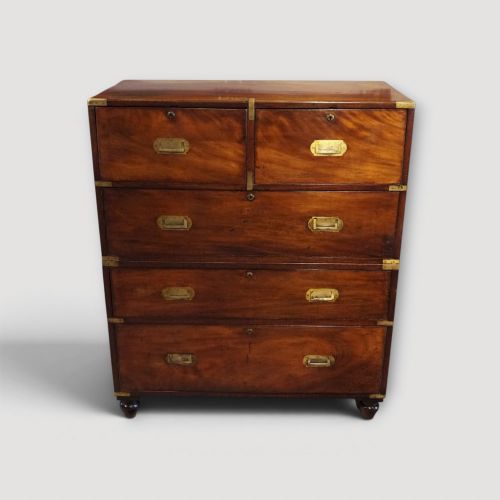
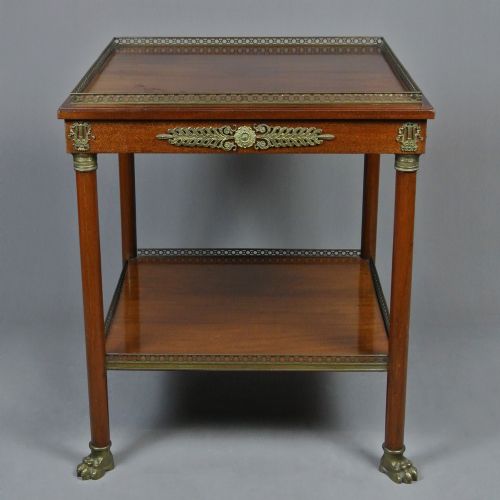
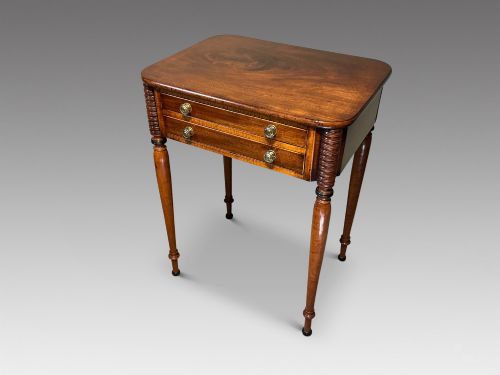
When you search for second empire furniture, you encounter robust nineteenth-century forms ranging from pier cabinets and bookcases to occasional tables and jardiniere stands. The pieces span the nineteenth century into later revivals, reflecting both French Napoleon III styling and broader English or Swedish interpretations.
You are most likely to meet ebonised wood or mahogany items enhanced with brass, ormolu, and marble, alongside specialised forms like caned gueridons and work tables. The selection balances heavy architectural presence with meticulous decorative detail across various domestic functional types.
How they were made
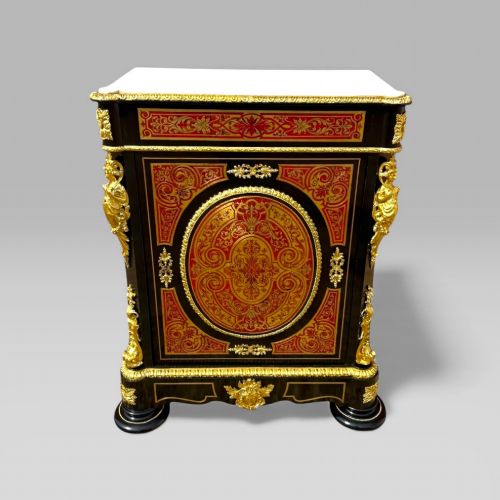
Cabinet makers utilised dense timbers such as mahogany, rosewood, and ebonised wood as foundational structures, often incorporating exotic veneers like amboyna and birds-eye maple. These surfaces were frequently inlaid with brass and tortoiseshell using intricate Boulle techniques.
Metal mounts in ormolu and brass accent the corners and panels, whilst stone elements like inset marble tops provide weight and contrast. Canework appears on seating and lower tiers, demonstrating a combination of rigid timber framing and flexible woven details.
Second Empire Furniture Retail Price Guide 2026
Typical asking prices for second empire furniture among the pieces listed under this phrase on Sellingantiques today, from the lower quarter to the upper quarter. They describe what is for sale here now, not the wider market.
The listings span the nineteenth century and later revivals, utilising materials such as marble, tortoiseshell, cane, and ormolu.
What varies in quality
The standard of execution in brass inlay and ormolu mounts dictates the visual hierarchy of these pieces, separating meticulous workshop production from simpler commercial output. Crisp chiselling on metal elements and precise flush-fitting veneers indicate superior craftsmanship.
Choice of secondary woods and the depth of figure in primary timbers like mahogany and amboyna affect the overall richness. The integration of structural marble tops and the tautness of canework further distinguish finer examples from standard items.
S Jamar·A M E Fournier
The Second Empire Furniture Glossary
- Boulle
- A form of marquetry using brass and tortoiseshell inlaid together in elaborate scrolling patterns. This technique was revived extensively during the nineteenth century.
- Ormolu
- Gilded bronze used for decorative mounts and feet on furniture. The application involves a mercury amalgamation process on historic pieces.
- Gueridon
- A small round table, frequently with multiple tiers or a marble top. These pieces often serve as lamp tables or plant stands.
- Ebonised wood
- Timber treated to resemble ebony, providing a deep black finish. It offers high contrast against brass inlay and giltwood details.
- Pier cabinet
- A low cabinet designed to stand against the wall space between windows. These often feature glass doors and marble tops.
Second Empire Furniture: Frequently Asked Questions
What defines second empire furniture?
These pieces combine heavy nineteenth-century proportions with lavish decorative elements such as Boulle marquetry, ormolu mounts, and contrasting veneers. They reflect the opulent taste of the French imperial courts and later international revivals.
You will notice dark woods like ebonised timber and mahogany paired with reflective surfaces including marble and polished brass.
Where should I place a pier cabinet?
A pier cabinet fits naturally against flat wall spaces, particularly between windows or in a formal drawing room. Their shallow depth allows them to display books or decorative objects without obstructing room traffic.
Ensure the marble top and intricate brass inlay remain visible by keeping the surrounding floor space relatively uncluttered.
How do I care for marble tops?
Clean marble surfaces using a soft cloth dampened with mild soapy water, avoiding acidic or abrasive household cleaners. Promptly wipe away spills to prevent staining on porous stone.
Applying a specialist stone wax periodically helps maintain the polished sheen without building up residue.
Can I use a gueridon as a side table?
A gueridon functions effectively beside a sofa or armchair to hold lamps, drinks, or small decorative items. Their round footprint makes them versatile for corners and tighter spaces.
Many examples feature multiple tiers or caned shelves, offering extra storage for books and magazines.
How do I distinguish French Empire from later styles?
Early nineteenth-century French Empire pieces generally display strict classical proportions and military-inspired ormolu motifs. Later nineteenth-century Napoleon III and revival pieces often incorporate more eclectic elements, including dense Boulle work and ebonised finishes.
Examining the underlying timber construction and the style of the brass inlay helps clarify the production period.