



Seal Engraved Ring
These seal engraved ring examples range from medieval bronze to Georgian gold, offering a tangible link to personal history through carved intaglios and crests.
Seal Engraved Ring
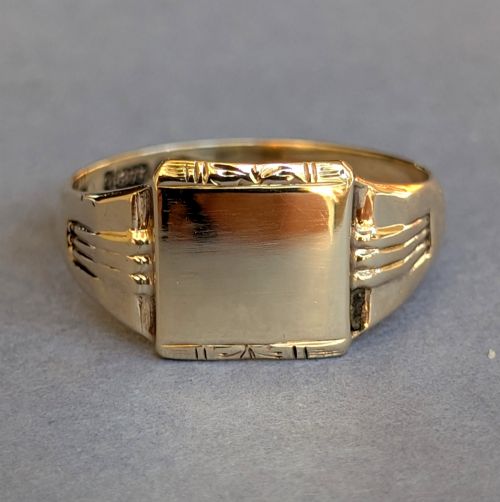
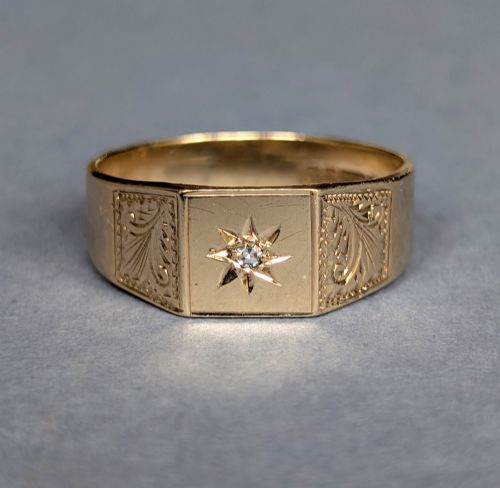
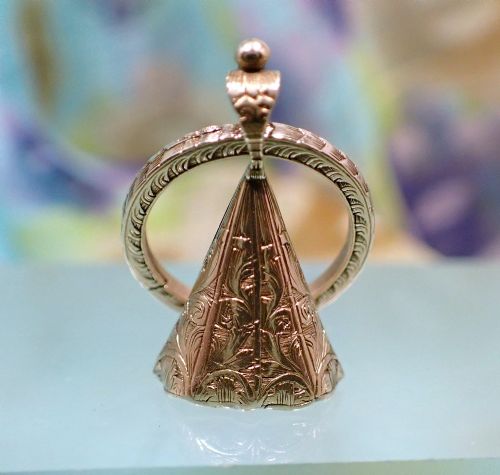
A seal engraved ring is a piece of jewellery designed to leave an impression in wax, functioning historically as a signature or personal mark. When you search for a seal engraved ring on this page, you encounter forms spanning from pre-sixteenth century bronze signets to Georgian and mid-century gold creations.
The pieces most frequently met here include gold signet rings set with stones like carnelian and bloodstone, alongside cast bronze medieval examples bearing crosses, waves, or ship designs.
Makers utilised various periods including the eighteenth century and the early Victorian era, producing rings that range from heavy gold bands to modest bronze signets.
Materials and construction
Materials recorded across the listings include 9ct gold, 15ct gold, 18ct yellow gold, and bronze, paired with hardstones such as carnelian, bloodstone, and agate. Goldsmiths cast the metal bands using traditional methods before setting or carving the hardstones directly.
Intaglios are carved into the surface of stones like carnelian and bloodstone so that the design sits in intaglio, creating a raised relief impression when pressed into hot wax.
Bronze signets from the medieval period feature cast designs directly into the metal hoop or bezel, displaying motifs like ships, waves, and crosses without stone inserts.
Seal Engraved Ring Retail Price Guide 2026
Typical asking prices for seal engraved ring among the pieces listed under this phrase on Sellingantiques today, from the lower quarter to the upper quarter. They describe what is for sale here now, not the wider market.
Listings feature periods spanning from pre-sixteenth century medieval bronze to mid-century gold, utilising materials such as carnelian, bloodstone, and diamond.
Assessing quality and execution
Quality in a seal engraved ring lies in the crispness of the intaglio carving and the selection of the hardstone. Finer pieces display deeply detailed allegorical figures or heraldic crests carved with precision into stones like carnelian or agate.
The choice of metal also determines the character of the piece, with higher carat gold mounts and substantial yellow gold settings distinguishing the finer Georgian and Victorian examples from simpler bronze metalwork.
The Seal Engraved Ring Glossary
- Intaglio
- A design carved into the surface of a gemstone so that the impression appears in relief when pressed into wax. This technique is frequently seen in Georgian hardstone rings.
- Signet ring
- A ring featuring a flat surface or bezel engraved with a crest, monogram, or design used for sealing documents. These often appear in 9ct and 15ct gold.
- Hardstone
- A semi-precious stone such as carnelian, bloodstone, or agate used for carving intaglios. They provide a durable surface for repeated wax sealing.
- Bezel
- The upper portion of a ring that holds the stone or displays the engraved design. In signet rings, the bezel forms the primary canvas for the seal.
Seal Engraved Ring: Frequently Asked Questions
What is a seal engraved ring used for?
Historically, these rings pressed a unique crest or monogram into hot wax to seal letters and authenticate documents. They served as a personal signature for the wearer.
Today, they are worn as decorative jewellery that carries historical significance and personal connection to past eras.
How do I date a seal engraved ring?
Dating relies on stylistic markers, metal purity hallmarks, and the specific motifs carved into the stone or metal. Georgian and Victorian pieces often feature distinct intaglio styles and specific gold carats.
Earlier medieval examples utilise cast bronze and simpler iconographic designs like crosses or ships, which help place them before the sixteenth century.
What stones are used in these rings?
Common stones include carnelian, bloodstone, and agate, chosen for their hardness and ability to hold fine carved details. These hardstones are set into gold bands.
Other examples consist entirely of metal, such as bronze or yellow gold, with the design engraved directly into the signet face.
Can I still use these rings for sealing wax?
Many antique intaglio rings retain deep, crisp carving capable of leaving a clear impression in wax. Care should be taken with softer stones and ancient metal to preserve the original carving.
Modern wearers often test the intaglio with sealing wax to reveal the hidden allegories or crests intended by the original maker.