

Sculpture Figure Art
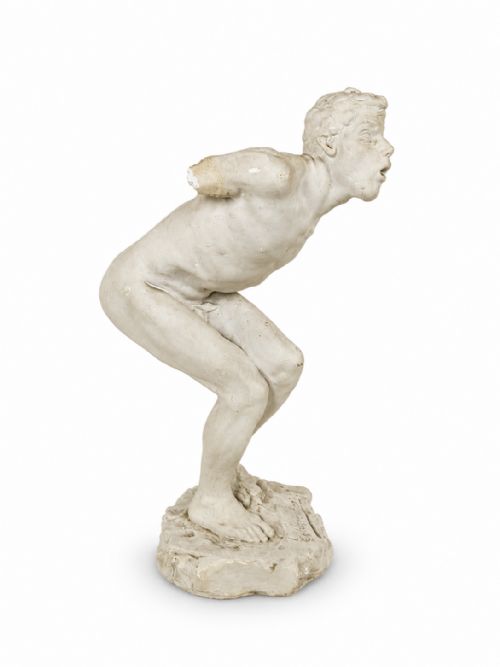
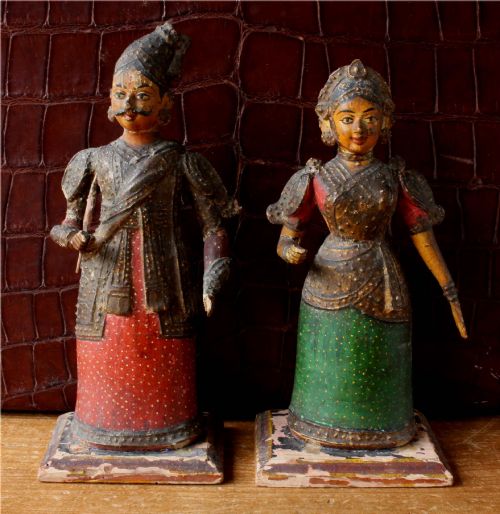
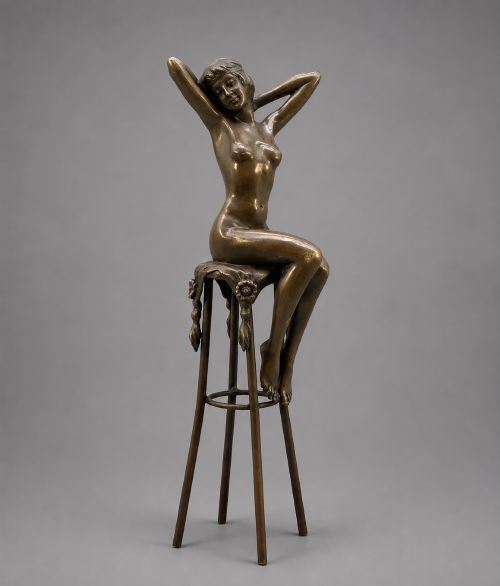
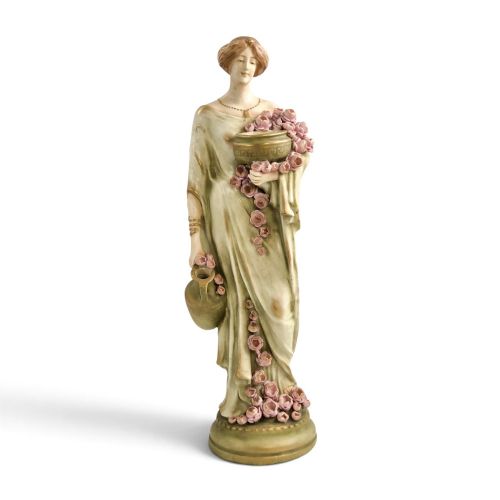
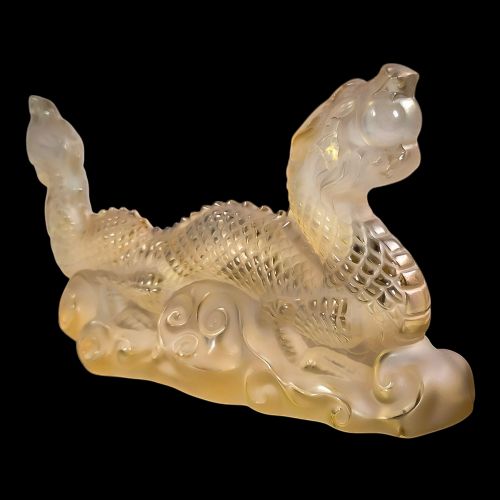
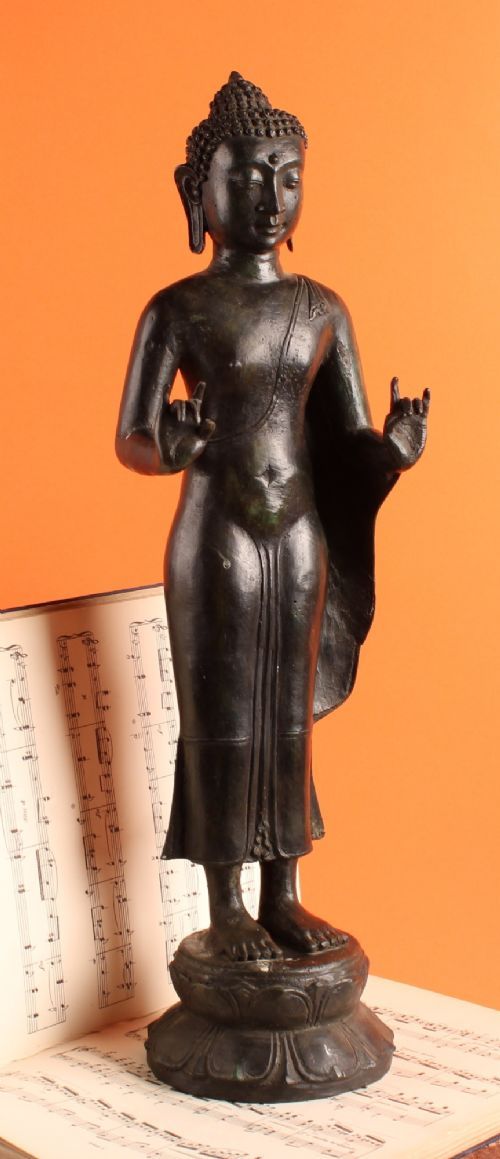
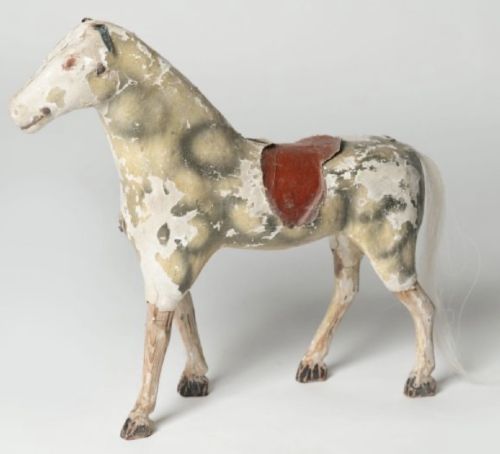
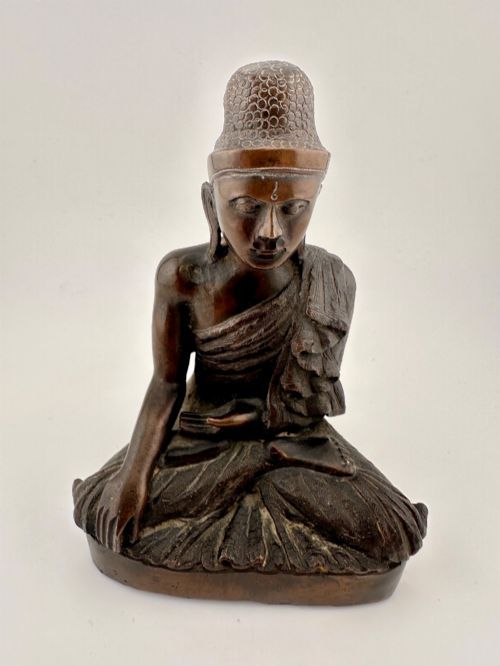
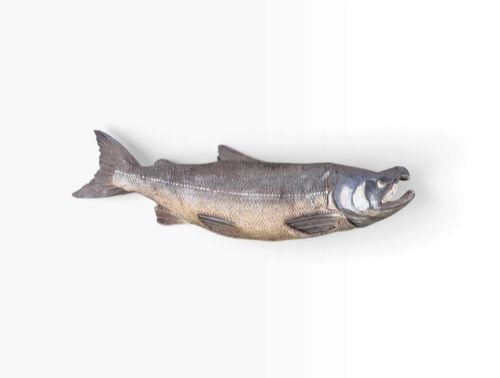
Sculpture figure art brings together centuries of carved wood, cast bronze and polished marble representing human, animal and divine forms.
Sculpture Figure Art
Sculpture figure art encompasses three-dimensional representations spanning diverse cultures, eras and aesthetic movements. When exploring sculpture figure art, collectors encounter everything from heavy cast metal dancers to intricate hand-carved wooden animal studies.
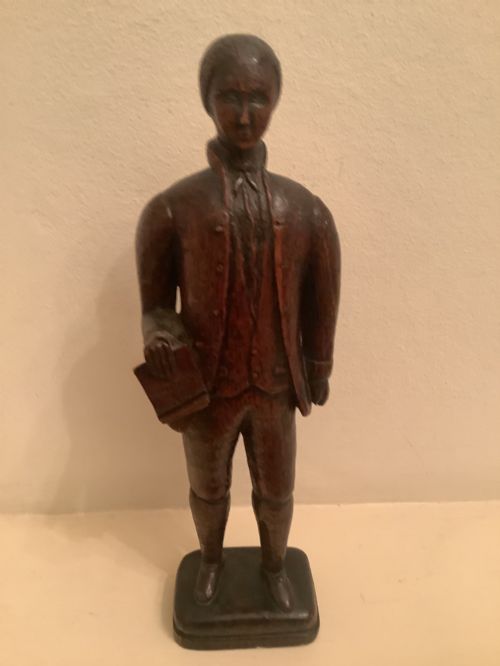
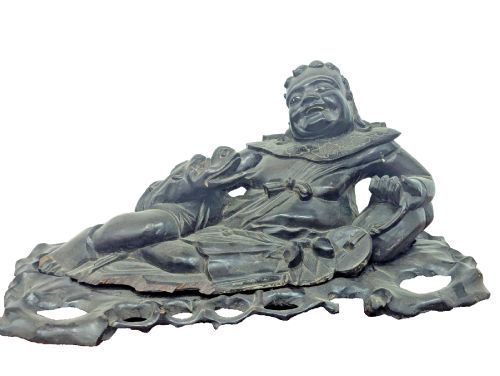
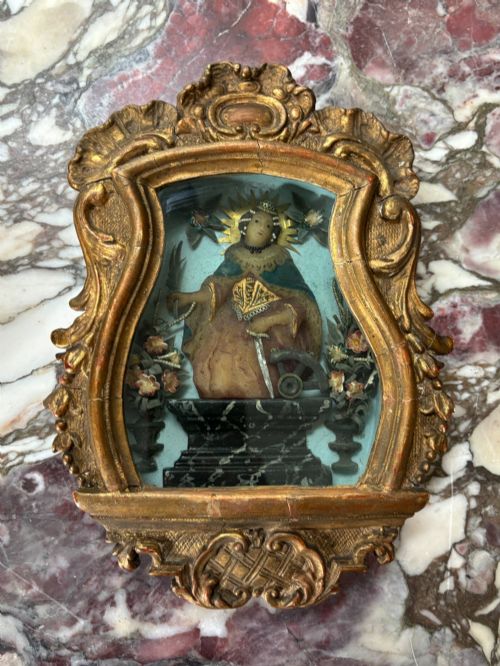
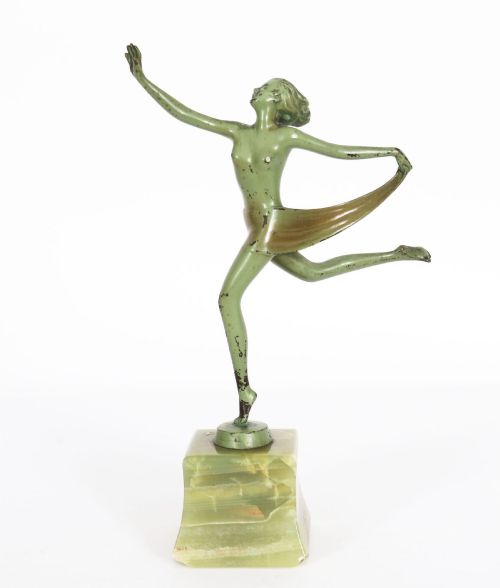
The pieces on this page lean heavily toward European and Asian traditions produced during the nineteenth and twentieth centuries. Examples range from decorative spelter lamp figures and Art Deco dancers to traditional religious icons and Japanese folk art wood carvings.
How they were made
Makers utilised traditional casting and carving methods suited to their chosen media. Bronze and spelter figures take shape through metal casting techniques, while alabaster, marble, and diverse woods like oak, linden and cedar are hand-carved with chisels and gouges.
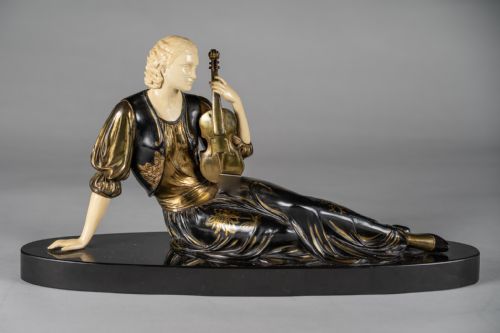
Surface finishes add depth and colour to the raw materials. Many bronze and spelter works receive cold-painted decoration or chemical patination, while wooden and terracotta sculptures frequently employ applied pigment, gesso or gilding.
Sculpture Figure Art Retail Price Guide 2026
Typical asking prices for sculpture figure art among the pieces listed under this phrase on Sellingantiques today, from the lower quarter to the upper quarter. They describe what is for sale here now, not the wider market.
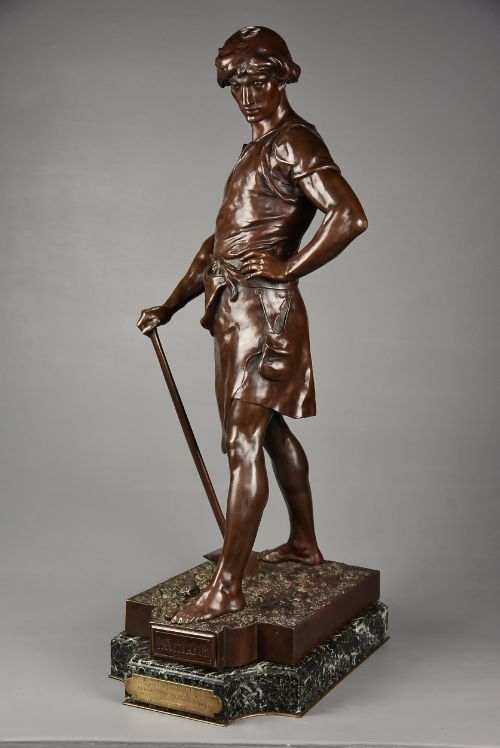
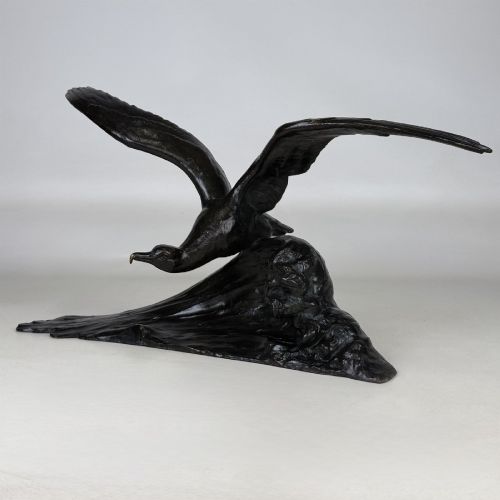
Listings feature works in bronze, marble, carved wood, glass and spelter spanning the sixteenth to the twentieth centuries.
What varies in quality
Execution of detail separates superior examples from mass-produced items. Fine chiselling in metalwork, sharp carving lines in timber and delicate facial expressions in terracotta indicate skilled workmanship.
Material selection and base integration dictate overall integrity. High-grade sculptures utilise substantial mounts such as genuine marble or onyx bases rather than lightweight substitutes, ensuring proper balance and presence.
Shuho Nakahara·Ouillon Carrere·Lalique·Goldscheider·Georges Gori·Auguste Moreau·Gustave Dussart·Lavroff·Jean de Roncourt·Maurice Giraud-Rivière·D.H. Chiparus·Bruno Zach·Pierre Collinet·Rudolf Küchler·Josef Lorenzl
The Sculpture Figure Art Glossary
- Spelter
- A zinc alloy commonly utilised as a less expensive alternative to bronze during the nineteenth and early twentieth centuries. It accepts patination well but possesses a lighter weight than true bronze.
- Patina
- The surface sheen or colour alteration developed naturally through age or applied artificially by chemical treatment. This layer protects the underlying metal and adds visual depth.
- Okimono
- A Japanese decorative ornament intended for display on a tabletop or in a tokonoma alcove. These carvings frequently depict animals, figures or scenes from daily life.
- Polychrome
- Painted or decorated in several colours. This term often describes carved wooden or terracotta religious figures and decorative busts.
- Gesso
- A plaster-like mixture applied as a smooth base for painting or gilding on wood or canvas. It creates an even surface for detailed finishing.
Sculpture Figure Art: Frequently Asked Questions
How do I care for bronze figures?
Bronze sculptures require minimal intervention to maintain their appearance. Dusting them gently with a soft, dry cloth prevents particulate buildup.
Avoid using abrasive cleaners, polishes or water, as these can damage the applied patina or chemical finish on the metal surface.
What is the difference between bronze and spelter?
Bronze is a durable alloy of copper and tin that takes fine detail and develops a rich patina over time. Spelter is a softer, zinc-based metal alloy that mimics bronze visually but feels lighter and more brittle.
Spelter pieces typically rely on applied paint or bronze-coloured finishes rather than chemical patination.
Where were Japanese okimono displayed?
Japanese okimono carvings were traditionally placed inside a home on display shelves or within a designated alcove known as a tokonoma. They served as refined decorative accents for contemplation.
Collectors today exhibit them on tabletops, desks and cabinets alongside other Asian art forms.