






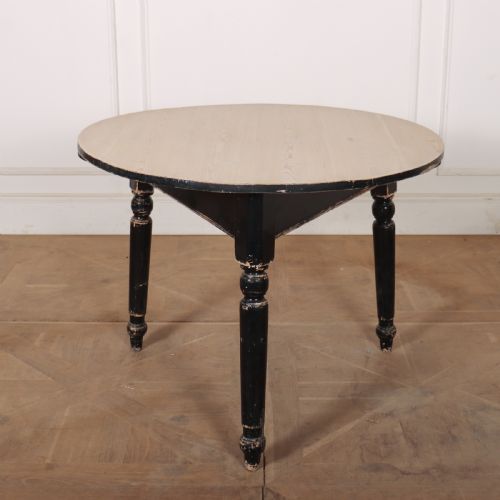

Scrubbed Pine Side Table
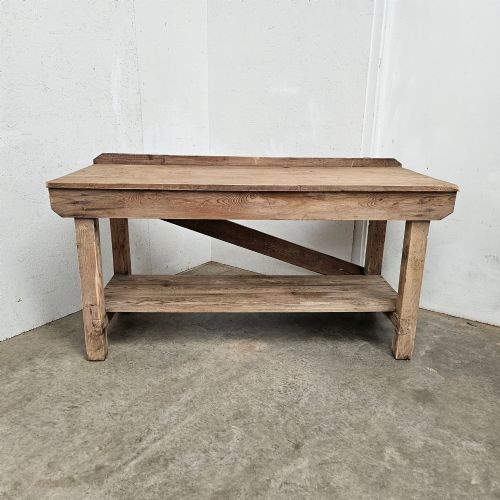
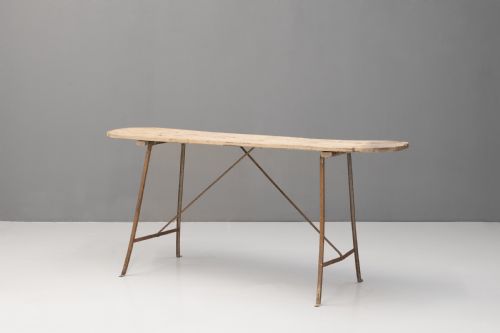
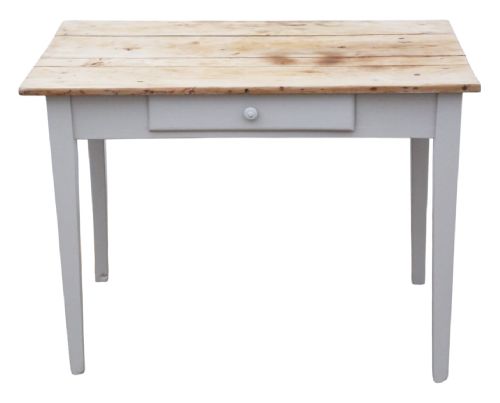
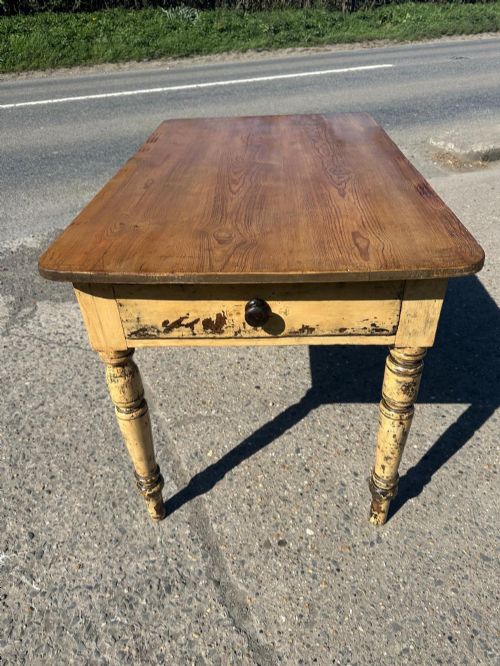
A scrubbed pine side table brings honest utility and straightforward grain to a room, offering surface space built for daily use.
Scrubbed Pine Side Table
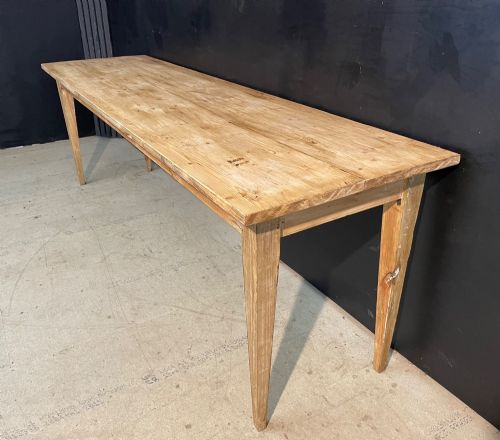
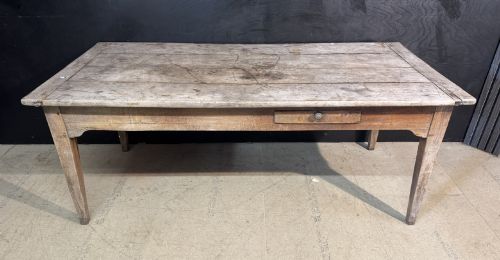
A scrubbed pine side table belongs to a lineage of hardworking utility surfaces found across country houses, dairies, and sculleries, spanning the eighteenth and nineteenth centuries. These pieces were built for labour, functioning as prep tables, tavern furniture, and wash stands rather than parlour showpieces.
The most common examples encountered here date from the Victorian period through to around nineteen ten, often showing regional British and continental characteristics. They arrive in forms such as cricket tables, server tables, and smaller side boards, usually featuring a scrubbed wooden top paired with painted or natural timber bases.
Materials and construction
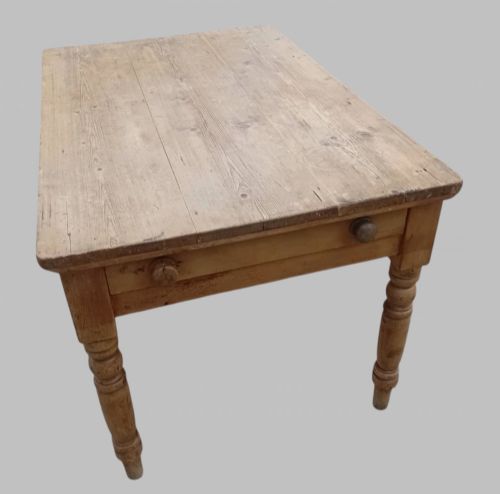
Makers relied primarily on solid pine for tops and structures, sometimes incorporating oak, elm, or sycamore alongside metal fixtures like brass and wrought iron. Timbers were selected for resilience and joined simply, often with drawers integrated into the apron for storage.
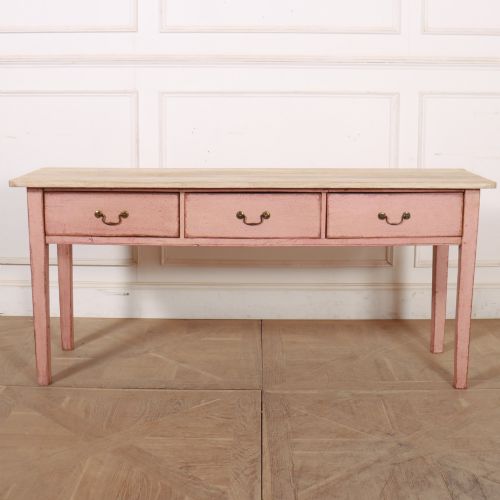
Surfaces were finished in varied ways, from the repeated scrubbing that bleached the deal tops to historical applications of paint such as Swedish Falu red or later period pigments. Bases frequently retain their original painted finishes while tops show the pale grain left by scrubbing.
Scrubbed Pine Side Table Retail Price Guide 2026
Typical asking prices for scrubbed pine side table among the pieces listed under this phrase on Sellingantiques today, from the lower quarter to the upper quarter. They describe what is for sale here now, not the wider market.
Listings feature items from the eighteenth, nineteenth, and early twentieth centuries, constructed in pine, oak, elm, and painted wood.
Evaluating quality and character
Quality rests in the integrity of the original construction and the honesty of the surface wear accumulated over centuries. Tables retain greater appeal when the timber bears the deep grain patterns of genuine historic scrubbing rather than aggressive modern sanding.
The survival of original painted surfaces on the legs and aprons, such as early red pigment or traditional country paint, distinguishes superior examples from later repainted pieces. Proportions also matter, as smaller regional tables with pegged joints and drawers demonstrate careful domestic carpentry.
The Scrubbed Pine Side Table Glossary
- Scrubbed top
- A wooden surface repeatedly scoured with water and abrasive to keep it clean and pale. This process wears away the softer summer growth of the pine and leaves a raised, textured grain.
- Cricket table
- A small three-legged table originating in Britain, often featuring splayed legs for stability on uneven floors. These portable pieces served multiple domestic and tavern duties.
- Falu red
- A traditional Swedish paint colour made from copper mine waste, utilised widely on wooden furniture and buildings. It provides a deep, matte red finish that protects the timber.
- Bobbin turned
- A style of leg decoration shaped on a lathe to resemble a string of beads or bobbins. This decorative turning appears frequently on nineteenth century country furniture bases.
Scrubbed Pine Side Table: Frequently Asked Questions
How do I clean a scrubbed pine top?
Maintenance requires little more than a dry cloth or a slightly damp sponge to remove everyday dust. Harsh detergents strip the natural dry finish of the pine.
Allow the wood to breathe without applying heavy modern varnishes or oils that alter the pale historic texture.
Are these tables from the Victorian era?
Many examples date from the nineteenth century and the Victorian period, though earlier pieces from the eighteenth century appear alongside twentieth century survivals. Regional workshops across Britain, France, and Sweden produced them for daily domestic labour.
Construction details and regional timber choices help identify the precise era and origin of each piece.
Why do the tops look so pale?
Generations of vigorous scrubbing with soap and water stripped grease and food residue from the deal boards. This historical maintenance method left the softwood grain raised and bleached.
Modern buyers value this pale, matte surface as an authentic record of working domestic history.
Can I use a prep table for dining?
Smaller work tables and side pieces adapt well to modern living as compact dining spots or desk surfaces. Their original height and sturdy frames accommodate daily seating needs.
Check the knee clearance beneath the apron to ensure comfortable use as a table.