


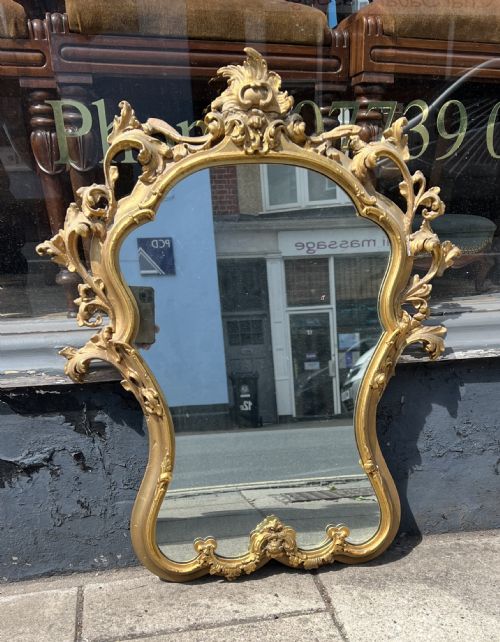

Scroll Crest Wall Mirror
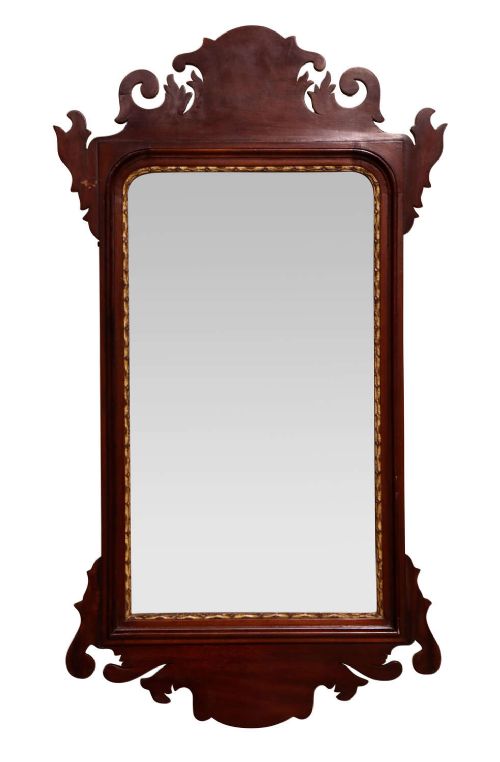
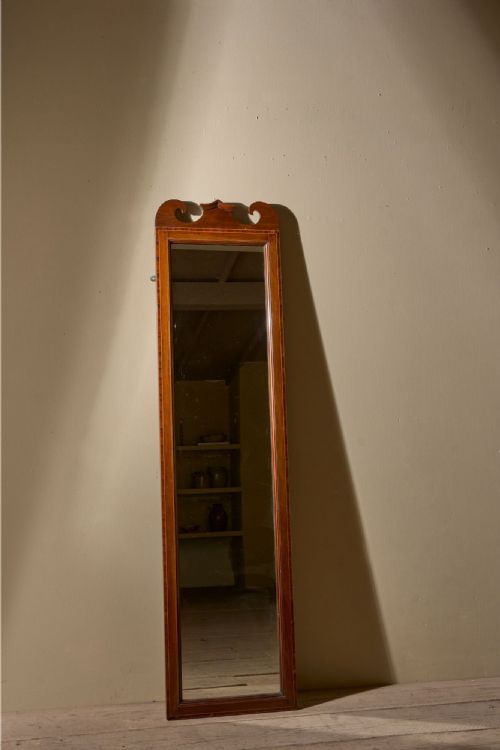
These scroll crest wall mirror pieces offer classic carved wood frames and antique glass, bringing traditional character to any interior.
Scroll Crest Wall Mirror
A scroll crest wall mirror brings together centuries of cabinet-making skill, taking forms such as wall mirrors, pier mirrors, and overmantel mirrors. When searching for a scroll crest wall mirror, buyers encounter traditional shapes dominated by Georgian and Victorian styles.
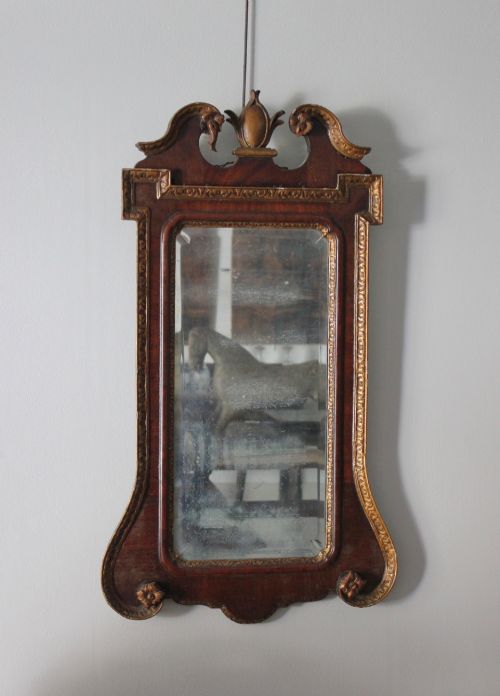
The pieces available span periods from the 18th century through to the 1930s, utilising materials like mahogany, walnut, giltwood, and gesso. Many examples reflect classical revivals, notably Chippendale and Queen Anne designs, featuring carved fretwork and ornamental crests.
How They Were Made
Craftsmen built these frames using timber such as mahogany and walnut, frequently applying fine veneers or carving details directly into the solid wood. Fretwork elements were meticulously pierced and shaped by hand using specialised saws.
Giltwood and gesso finishes required layers of preparation applied to a wooden base before gilding with metal leaf. Mirror glass was set into these frames, sometimes utilising bevelled edges or traditional Vauxhall plates.
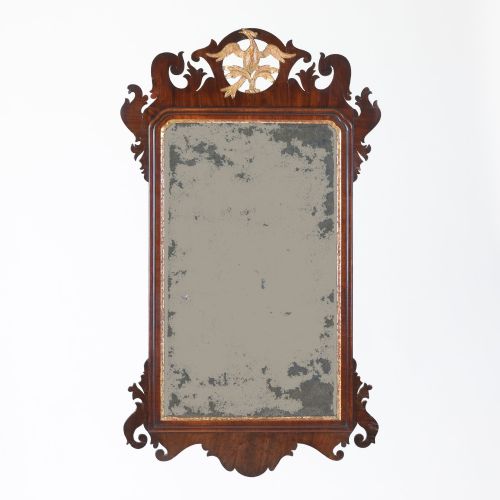
Some mirrors feature heraldic shield shapes and exotic phoenix birds perched atop the carved wooden crests.
What Varies in Quality
The refinement of the hand-carved fretwork and the depth of the scroll crest distinguish finer examples from simpler production. Crisp lines in the carving and balanced proportions indicate superior craftsmanship.
The preservation of original surfaces, whether polished mahogany, figured walnut, or gilded gesso, plays a major role in the character of the piece. Retaining original mirror glass and untouched backboards adds significantly to the integrity of the object.
The Scroll Crest Wall Mirror Glossary
- Fretwork
- Thin wood panels pierced with decorative patterns using a fretsaw. This technique creates intricate openwork designs on mirror frames.
- Gesso
- A plaster-like mixture applied to wood surfaces as a base for gilding or painting. It provides a smooth ground for applying gold leaf.
- Pier Mirror
- A tall mirror designed to hang on the wall between windows, often placed above a matching pier table. These tall formats make efficient use of narrow wall spaces.
- Overmantel Mirror
- A wide mirror designed specifically to be hung above a fireplace mantel. Their horizontal proportions complement the scale of domestic hearths.
- Vauxhall Plate
- Mirror glass produced at the historic Vauxhall factory in London, known for its distinct bevels and slight imperfections. Collectors prize these early glass plates for their authentic period appearance.
Scroll Crest Wall Mirror: Frequently Asked Questions
Where should I hang a scroll crest wall mirror?
These mirrors suit principal reception rooms, hallways, or above mantelpieces where their decorative crests can be fully appreciated.
Ensure the wall construction supports the weight of the timber and glass frame securely before hanging.
How do I identify a Georgian mirror?
Georgian mirrors typically feature mahogany or walnut timbers, hand-cut fretwork details, and traditional architectural or rococo proportions.
Examination of the timber and construction methods on the reverse often reveals period fixings and older pine secondary woods.
Are these mirrors fragile?
While constructed from robust hardwoods like mahogany and walnut, the intricate fretwork and carved scroll crests require careful handling.
Wall fixings must be robustly installed to bear the weight safely without straining the antique wooden joints.
What is a Ho-Ho bird crest?
The Ho-Ho bird is a stylized phoenix motif frequently carved into the top scroll crest of 18th-century Chippendale style mirrors.
This mythical Chinese bird symbol became popular during periods when Chinoiserie design influenced British cabinet makers.