




Scottish Turned Wood
Scottish turned wood pieces bring distinctive regional character to rooms, offering tactile warmth and robust vernacular form from the nineteenth century.
Scottish Turned Wood
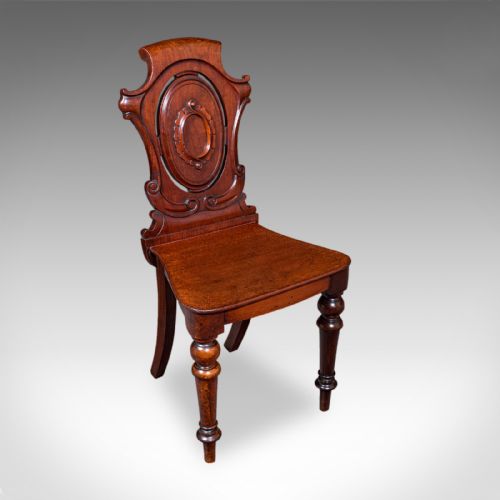
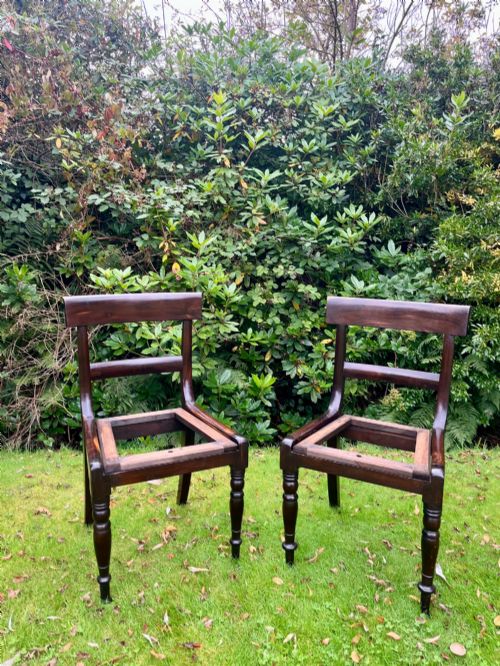
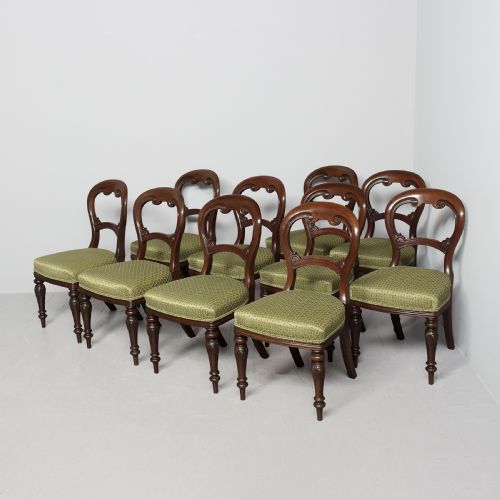
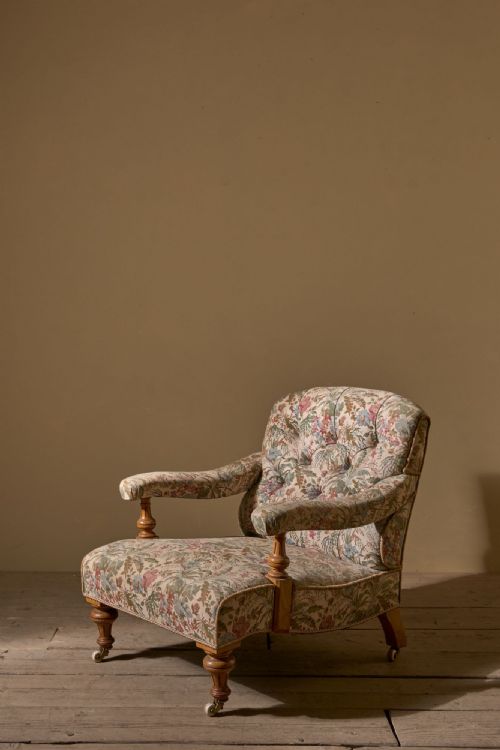
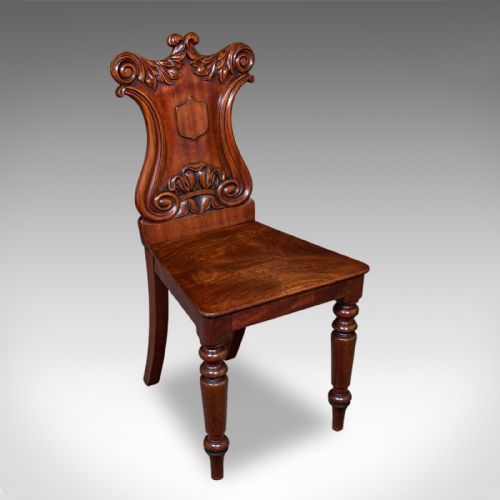
These items encompass a variety of vernacular and formal household objects associated with Scottish craftsmanship, ranging from seating to small treen pieces. Buyers searching for scottish turned wood will encounter items fashioned from native and imported timbers, showcasing local turning traditions.
How they were made
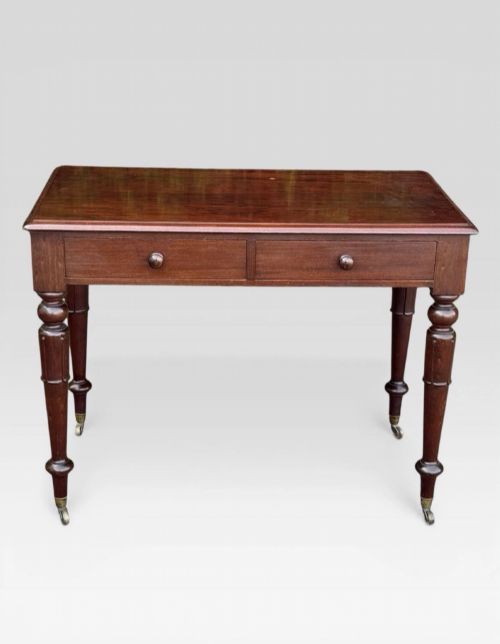
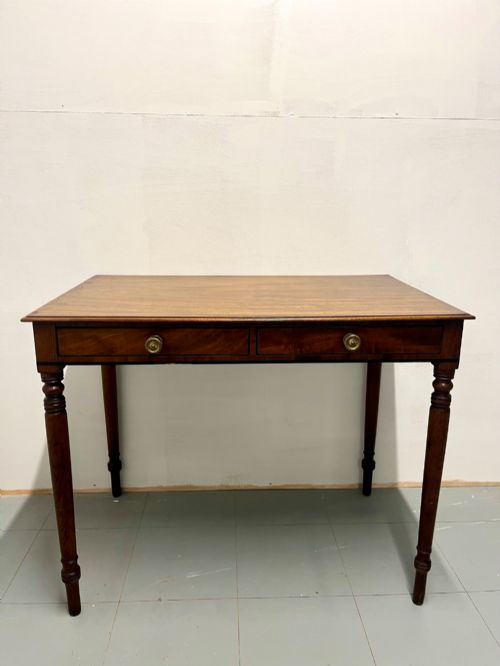
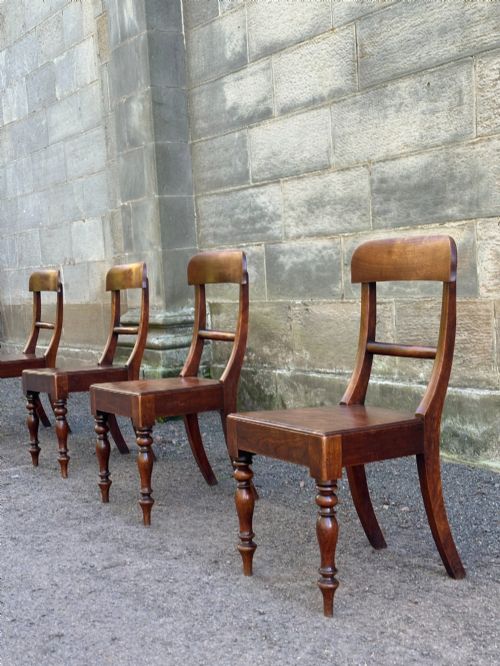
Makers utilised woods such as laburnum, walnut, mahogany, birch, and maple, often selecting timbers for their striking grain patterns. Turning techniques shaped components like table legs, chair stretchers, and the bodies of small containers on a lathe.
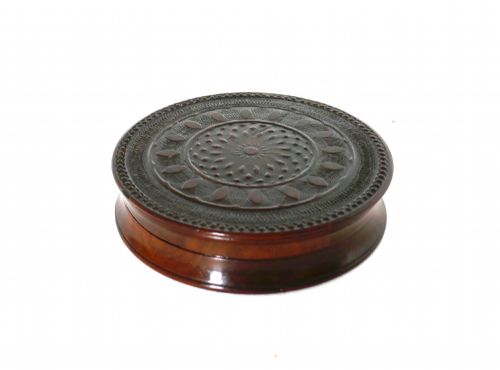
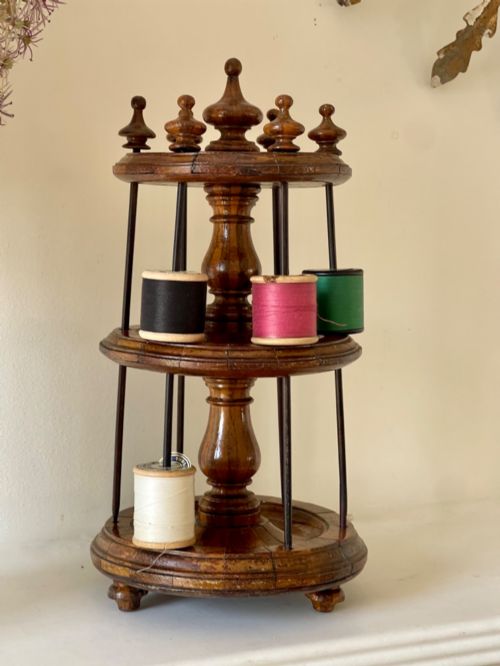
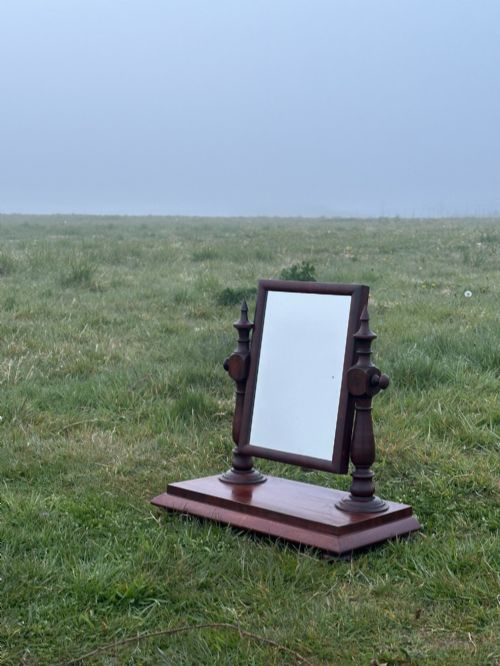
Engine turning and specialised decorative detailing appear on smaller treen items like snuff boxes and thread stands. Construction relied on traditional joinery methods suited to the specific demands of each object type, from robust rocking chairs to delicate dressing mirrors.
Scottish Turned Wood Retail Price Guide 2026
Typical asking prices for scottish turned wood among the pieces listed under this phrase on Sellingantiques today, from the lower quarter to the upper quarter. They describe what is for sale here now, not the wider market.
Listings feature items spanning the Georgian, Regency, and Victorian eras, predominantly utilising woods like mahogany, walnut, and laburnum.
What varies in quality
The refinement of the joinery and the preservation of original surfaces also distinguish finer pieces. Maker attribution, such as work originating from Edinburgh workshops, often elevates the standing of a piece.
J A Mein Edinburgh Cabinet Maker·John Taylor Edinburgh·Morison of Ayr·Mein of Kelso
The Scottish Turned Wood Glossary
- Treen
- Small handmade wooden domestic objects. These items range from utilitarian kitchenware to decorative boxes.
- Laburnum wood
- A dense hardwood prized for its contrasting dark heartwood and pale sapwood. It was frequently used for decorative turning.
- Engine turned
- A method of mechanical decoration producing precise geometric patterns on wood or metal. This technique is often found on small nineteenth-century boxes.
- Vernacular
- Everyday objects made to traditional regional designs rather than high academic styles. Scottish vernacular furniture often displays robust local character.
Scottish Turned Wood: Frequently Asked Questions
What is scottish turned wood?
It refers to wooden objects and furniture created in Scotland that feature prominent lathe-turned elements. The selection spans utilitarian treen and larger household seating.
These pieces reflect the regional furniture-making traditions of the nineteenth century, utilising native and traditional timbers.
How do I identify a scottish piece?
Identification often relies on distinctive regional patterns, specific timber choices like laburnum, and sometimes maker documentation or stamps. Edinburgh workshops produced particular styles of seating and tables.
Looking at the construction methods and turning profiles helps distinguish Scottish vernacular forms from English equivalents.
Where were these pieces used?
They originated in Scottish country houses, town residences, and domestic interiors of the nineteenth century. Chairs and tables served daily formal or reception functions.
Smaller treen objects like snuff boxes and string holders were used for personal or household organisation.
How do I care for wooden treen?
Keep wooden objects away from direct heat sources and strong sunlight to prevent the timber from drying out. Gentle dusting and occasional wax maintenance preserve the finish.
Avoid excessive moisture when cleaning turned surfaces to protect the grain and joinery.