





Scottish Rustic Furniture
Scottish rustic furniture brings genuine vernacular character into a room through honest timber work and regional forms.
Scottish Rustic Furniture
When you search for scottish rustic furniture, you encounter practical domestic forms shaped by local tradition and everyday needs. The selection spans the nineteenth century and the Edwardian era, taking in utilitarian storage and heavy seating.
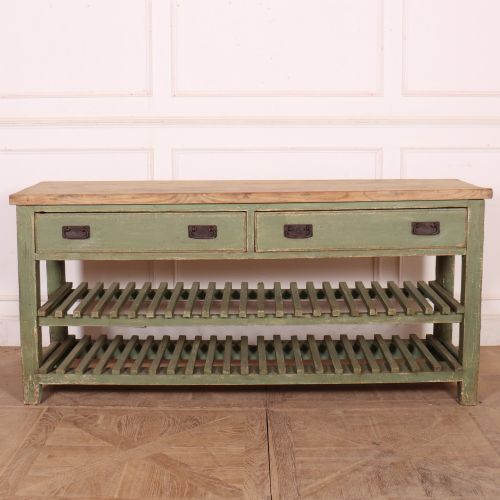
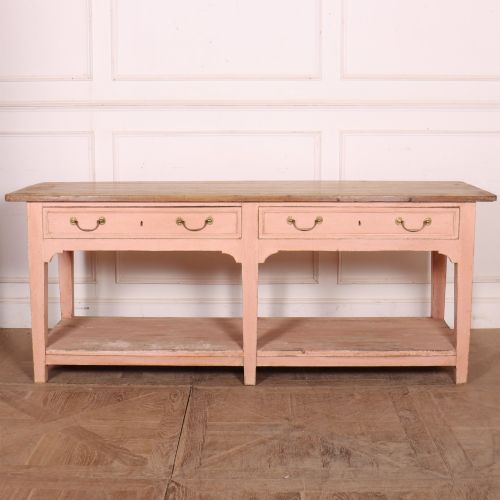
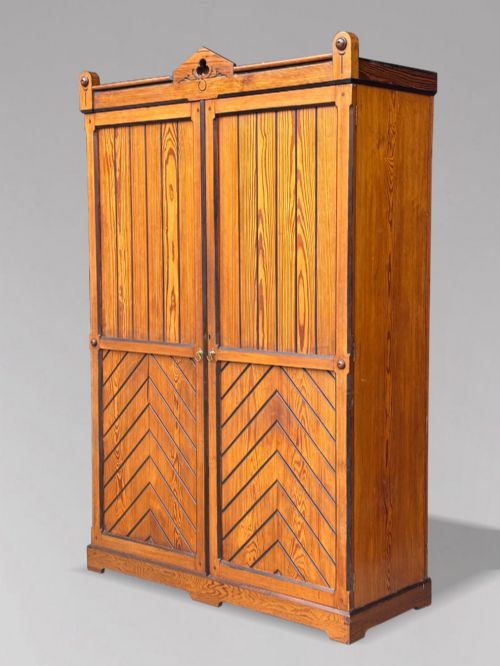
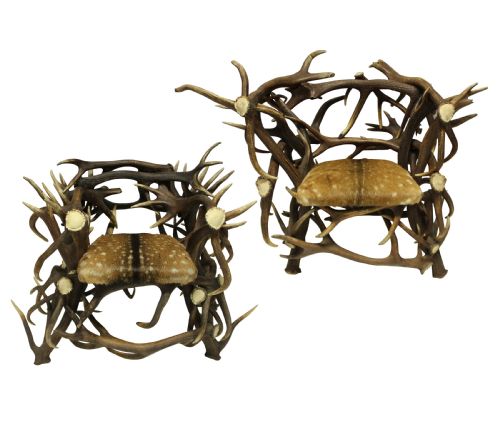
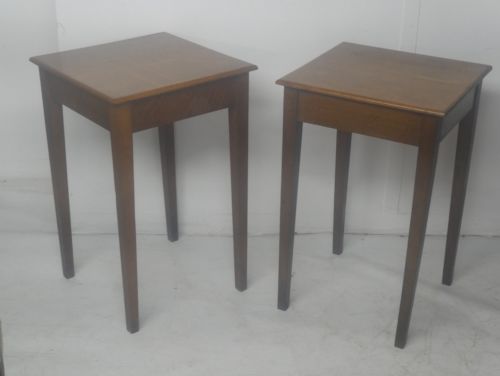
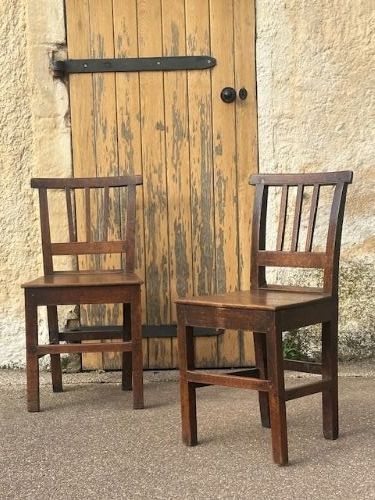
Dressers and dresser bases dominate the offerings, alongside functional pieces like pine shoe racks, food cupboards, and lamp tables. You will also find distinctive seating, including joined oak chairs and large trophy armchairs.
The aesthetic is rooted in Scottish country and vernacular design, often reflecting the straightforward utility of farmhouse kitchens and rural dairies. Maker influences stretch from vernacular traditions to interpretations associated with figures like Sir Robert Stoddart Lorimer.
How they were made
Construction relies heavily on sturdy native softwoods and hardwoods, predominantly pine, pitch pine, and oak. These timbers were selected for endurance and local availability, forming the solid carcases of dressers, wardrobes, and tables.
Surface treatments vary from plain timber finishes to original painted schemes that preserve the utilitarian history of the object. Detail is often direct and functional, though specialist touches appear in works like pokerwork stools and antler or deer hide combinations.
Scottish Rustic Furniture Retail Price Guide 2026
Typical asking prices for scottish rustic furniture among the pieces listed under this phrase on Sellingantiques today, from the lower quarter to the upper quarter. They describe what is for sale here now, not the wider market.
A nineteenth century pokerwork stool in this group carries the defiant motto Touch Me Wha Daur.
What varies in quality
Quality rests in the integrity of the timber construction and the survival of an untouched surface. Pieces retaining their original paint or rich, uncompromised patination stand apart from those altered or overly scrubbed over time.
Proportion and regional idiosyncrasy also define the better examples. A strong vernacular form executed with robust joinery carries more conviction than a later piece imitating rural utility without the same structural honesty.
Sir Robert Stoddart Lorimer
The Scottish Rustic Furniture Glossary
- Vernacular
- Everyday objects built by local tradesmen to regional patterns rather than high-style metropolitan designs. These items prioritise direct utility over fashionable ornament.
- Potboard
- An open slatted lower shelf incorporated into a dresser base for storing pots and pans. It distinguishes traditional kitchen furniture from enclosed cupboards.
- Pokerwork
- A decorative technique using a heated metal point to burn designs into wood. It appears on domestic items like stools and small panels.
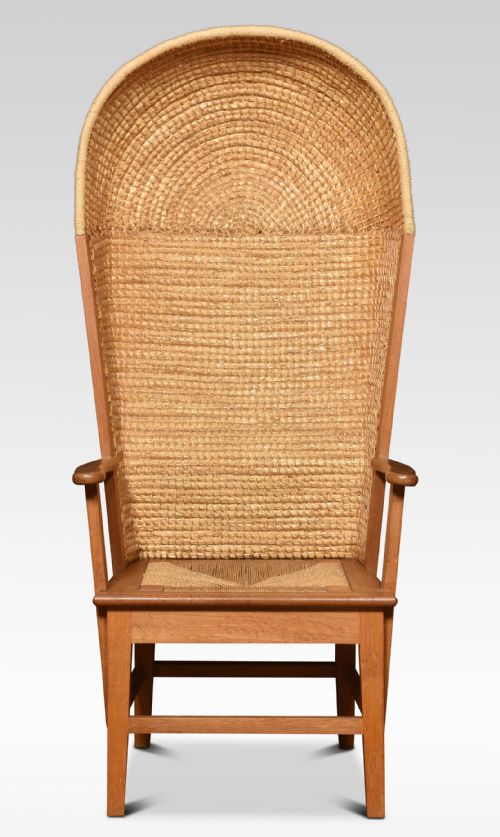
- Orkney chair
- A traditional regional seating form featuring a distinct oat straw back woven over a wooden frame. It was designed to shield the sitter from draughts in northern coastal homes.
Scottish Rustic Furniture: Frequently Asked Questions
What defines Scottish rustic furniture?
These pieces are defined by their regional origins, utilitarian forms, and honest use of native timbers like pine and oak.
They reflect the domestic and agricultural life of nineteenth and early twentieth century Scotland.
How were kitchen dressers used?
Kitchen dressers served as the central storage and display unit for everyday household crockery and food preparation.
The base provided enclosed or open shelf space for heavy pots, while the surface handled daily kitchen tasks.
Where do Orkney chairs come from?
Orkney chairs originate from the islands of northern Scotland, where craftsmen built them with woven straw backs.
This specific construction protected inhabitants from cold Atlantic draughts inside traditional stone cottages.
How do I care for original painted pine?
Original painted surfaces require gentle dusting with a dry cloth and protection from direct sunlight and moisture.
Avoid chemical cleaners or aggressive polishing that can lift or dull historic paintwork.