





Scottish Oak Furniture
Scottish oak furniture brings solid domestic utility and vernacular character into a room through sturdy native timber and regional craftsmanship.
Scottish Oak Furniture
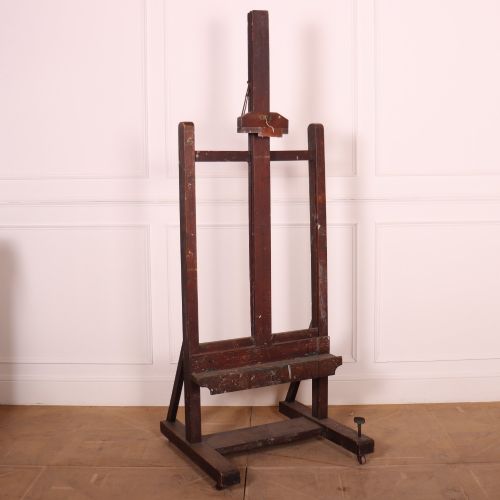
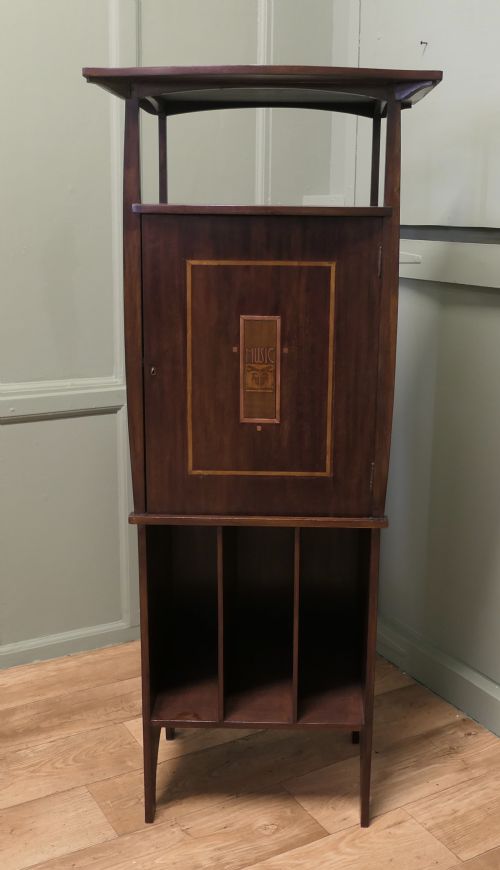
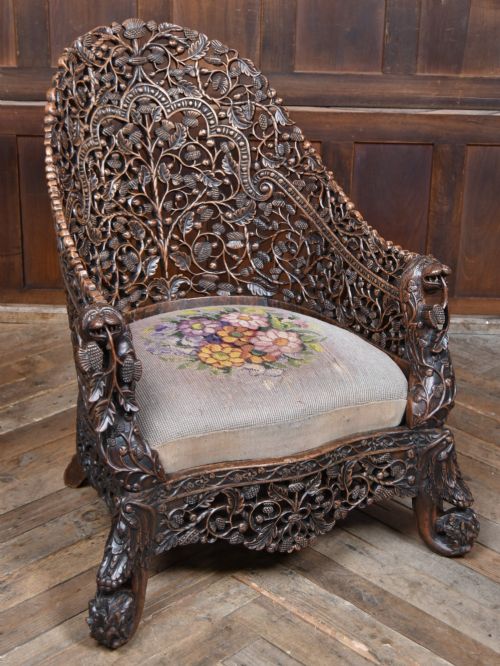
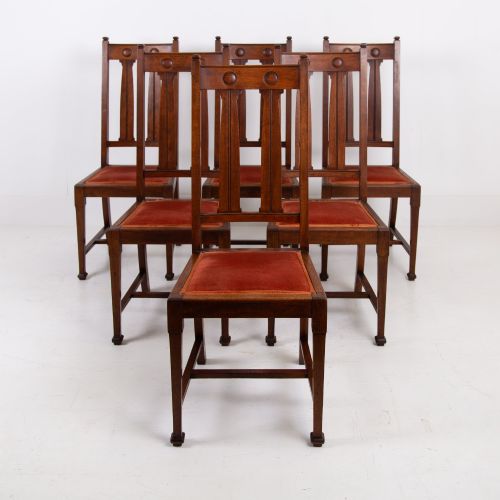
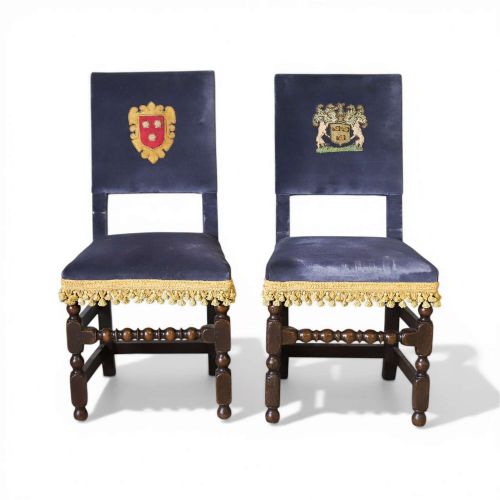
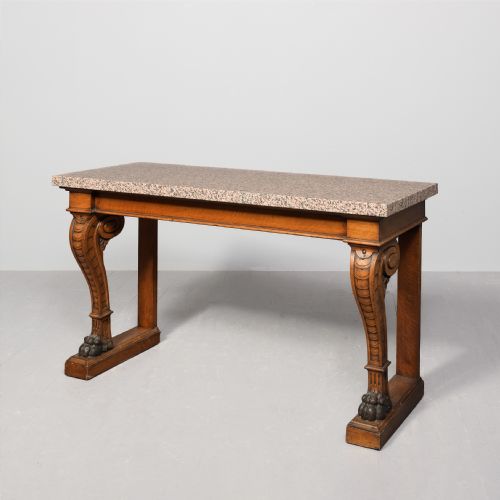
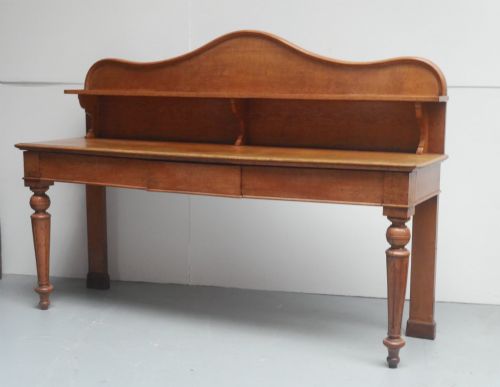
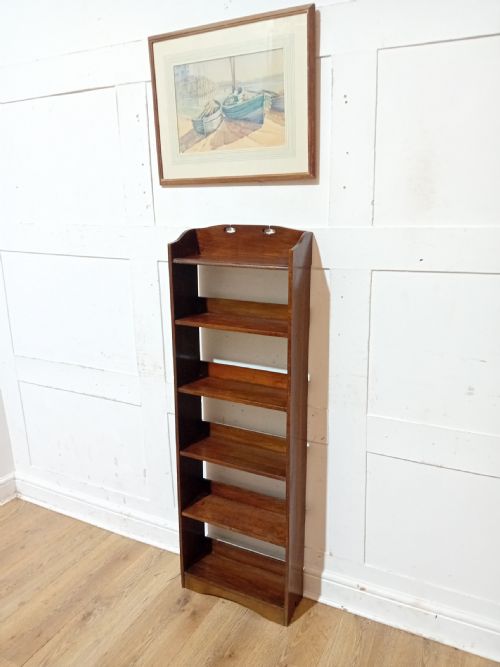
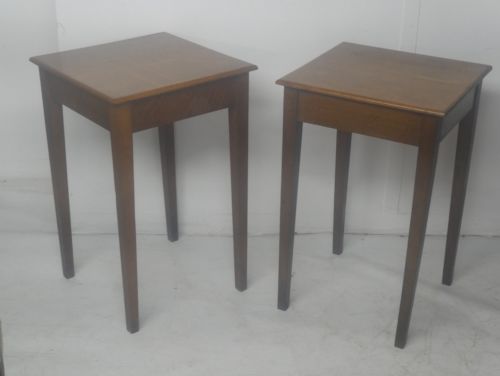
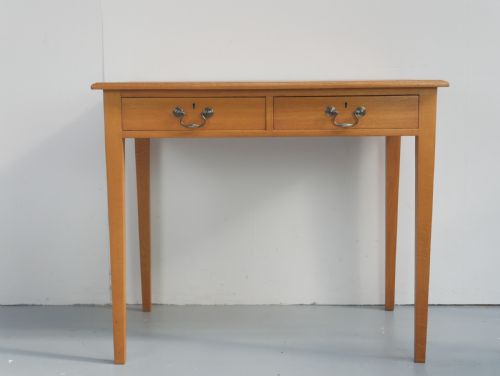
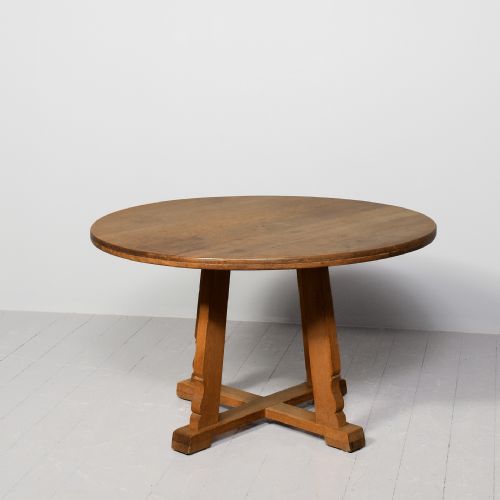
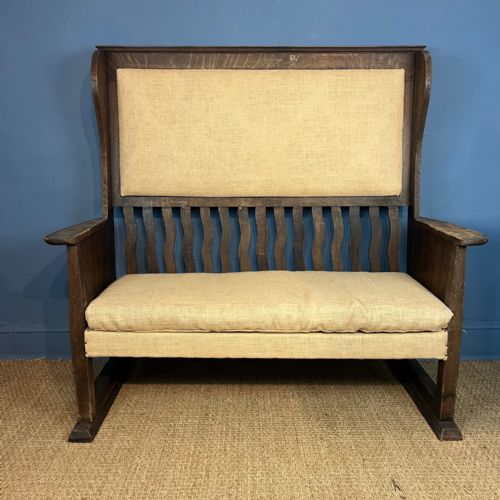
Scottish oak furniture encompasses seating, tables and storage pieces spanning from the seventeenth century through the Arts and Crafts movement into the twentieth century. Buyers encounter robust vernacular armchairs, refectory tables, music cabinets and hall stands shaped by local traditions and domestic needs.
The selection leans heavily toward Arts and Crafts productions by makers linked to Glasgow alongside vernacular country pieces like Orkney chairs and joined seating. Pieces range from simple straw and wood constructions to grander baronial sideboards and gentleman's chests.
Evaluating standard and origin
Quality rests upon the integrity of the timber, the crispness of any carved detailing and the fidelity of regional construction methods. Pieces bearing documented attributions to notable Glasgow workshops or designers stand apart from anonymous country workshop items.
The degree of original survival, including intact upholstery schemes, brass fittings and straw work, determines the standing of a piece. Finer examples display balanced proportions and assured handling of materials rather than excessive ornamentation.
Scottish Oak Furniture Retail Price Guide 2026
Typical asking prices for scottish oak furniture among the pieces listed under this phrase on Sellingantiques today, from the lower quarter to the upper quarter. They describe what is for sale here now, not the wider market.
Materials extend beyond standard oak to incorporate brass, velvet, mahogany, straw and pine across seating and storage forms.
GM Elwood for JS Henry·Alexander McKenzie of Glasgow·Wylie Lochhead·EA Taylor·Sir Robert Stoddart Lorimer·Jenners·William Trotter·Wheelers of Arncroach·Whytock and Reid
The Scottish Oak Furniture Glossary
- Orkney chair
- A traditional Scottish seating form distinguished by a high woven straw back supported on a wooden frame. This design protected occupants from draughts in coastal homesteads.
- Vernacular
- Everyday domestic furniture built by regional craftsmen following local traditions rather than metropolitan academic styles. These items prioritise direct utility and local materials.
- Arts and Crafts
- A design movement valuing honest construction, simple forms and visible hand-craftsmanship over mass production. Glasgow workshops adopted this ethos with distinct regional linear interpretations.
- Baronial
- A heavy, revivalist style drawing on medieval Scottish castle architecture through dark oak panels, carving and imposing scale. It suited large Victorian reception halls.
- Pokerwork
- A method of decorating wood surfaces by burning designs into the grain with heated metal points. It appears on small decorative items and utility stools.
Scottish Oak Furniture: Frequently Asked Questions
How do I recognise Glasgow School furniture?
Glasgow School pieces from the Arts and Crafts period display clean geometric lines, tall proportions and restrained decorative motifs like stylised thistles or metal strapwork.
These items often originate from workshops such as Wylie and Lochhead or feature designs by figures associated with the city's art movement.
Where were vernacular pieces made?
Vernacular furniture was produced in regional workshops across Scotland, from the Borders to the Northern Isles, using locally available timber and traditional local joinery.
Makers built these items for domestic use in farmhouses, country houses and modest urban dwellings without following strict metropolitan pattern books.
How should I care for antique oak?
Antique oak benefits from stable indoor humidity and protection from direct sunlight to prevent the timber from drying out or splitting over time.
Occasional application of appropriate wax polish maintains the lustre of the wood without building up heavy chemical layers on the surface.