




Scottish Loch Art
Scottish loch art captures the atmospheric majesty of northern waters through oil and watercolour, bringing dramatic Highland scenery straight into your home.
Scottish Loch Art
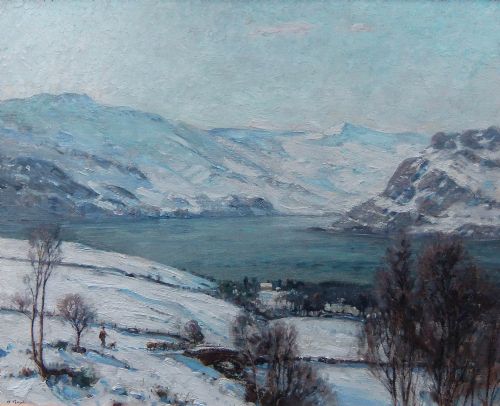
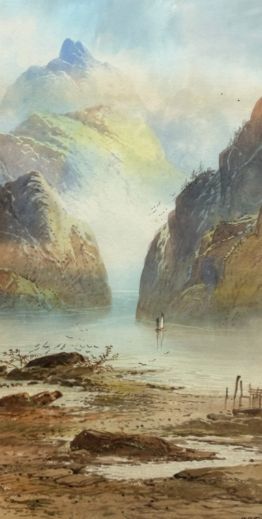
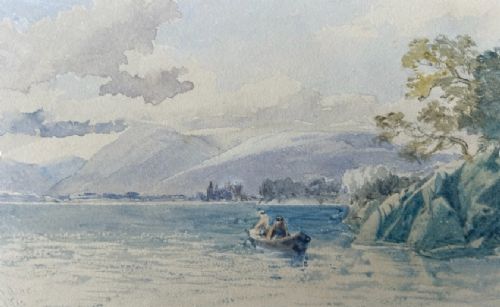
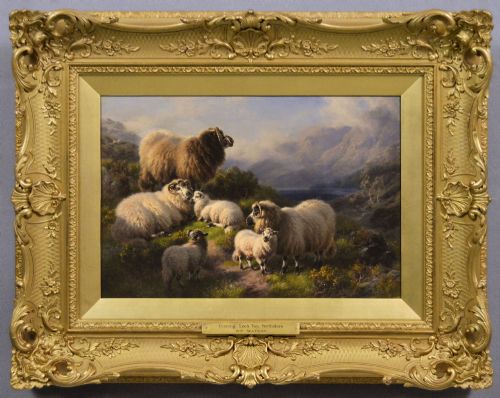
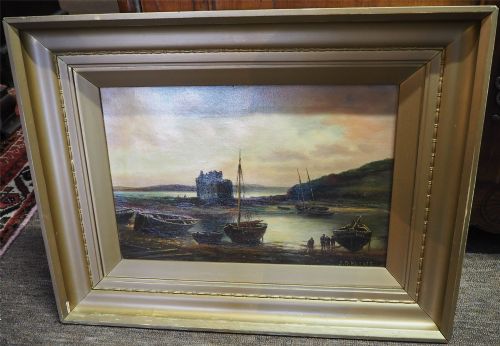
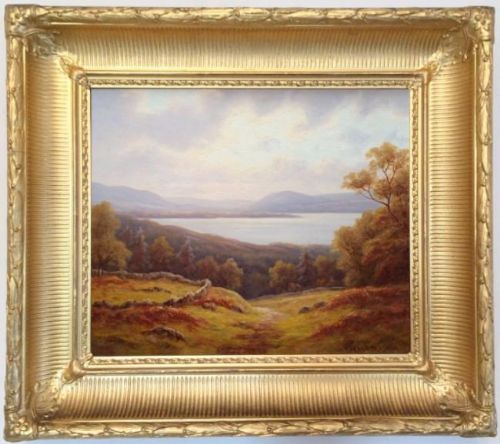
Scottish loch art encompasses framed wall art and fine art paintings depicting famous waters like Loch Lomond, Loch Tay, and Loch Ness. Buyers searching for scottish loch art encounter nineteenth-century canvases, Victorian watercolours, and early twentieth-century landscapes.
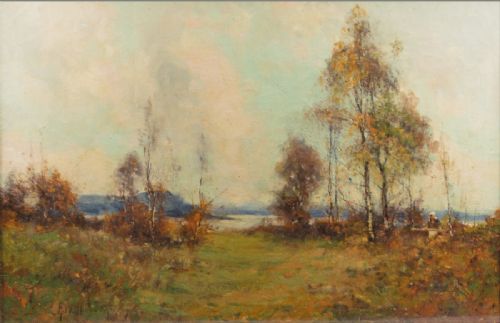
The subjects range from tranquil morning mists over mountain peaks to dramatic sunsets illuminating Highland cattle grazing by the shore. Many pieces celebrate the romantic topography of the region through the distinct lenses of the Highland School and Scottish Impressionism.
Works appear in various mediums, predominantly oil on canvas and delicate watercolour on paper, housed within period gilt frames. These historical depictions span from the Victorian era into the mid-twentieth century, charting changing artistic interpretations of northern terrain.
Evaluating Quality
Quality rests upon the artist's ability to render light, water reflection, and atmospheric depth convincingly across the canvas. Stronger compositions balance the expanse of the loch with towering peaks and detailed foreground elements such as cattle or figures.
Pace and brush control distinguish masterly execution from formulaic studio production, particularly in the handling of cloudscapes and twilight skies. Original period frames that complement the painting without overpowering the composition elevate the overall piece.
Scottish Loch Art Retail Price Guide 2026
Typical asking prices for scottish loch art among the pieces listed under this phrase on Sellingantiques today, from the lower quarter to the upper quarter. They describe what is for sale here now, not the wider market.
Highland cattle make frequent cameo appearances in these loch views, stubbornly ignoring the magnificent scenery to inspect the painter.
Alfred de Breanski Snr·Thomas Miles Richardson Jnr·William Watson Jnr·Alexander Wellwood Rattray·Henry Robinson Hall
The Scottish Loch Art Glossary
- Impasto
- Paint applied thickly to a canvas, standing out from the surface so that texture catches the light. This technique adds tactile dimension to rocks and turbulent water.
- Gilt
- A thin layer of gold leaf applied to wooden frames. It provides a warm, reflective border that enhances the tonal values of nineteenth-century paintings.
- Watercolour
- Pigments ground in water-soluble binders and painted onto paper. It produces translucent washes ideal for capturing hazy loch mists and damp air.
- Gouache
- An opaque water-based paint containing white pigment for denser coverage. It allows artists to achieve solid highlights on water and distant mountains.
- Provenance
- The documented history of a painting's ownership and origin. Clear attribution links a work directly to a recognised artist or regional school.
Scottish Loch Art: Frequently Asked Questions
What periods do these paintings date from?
The available selection spans from the mid-nineteenth century through the Victorian era and into the mid-twentieth century. Artists worked across several decades, recording the changing face of the Scottish landscape.
Key periods include Victorian romanticism, early twentieth-century impressionism, and later provincial interpretations. Each era brings distinct framing styles and colour palettes to the canvas.
How should I hang and care for oil paintings?
Keep oil paintings away from direct sunlight and damp environments to protect the canvas and underlying wooden stretcher. Stable room temperatures prevent the paint layer from cracking over time.
Dust gilt frames gently with a soft dry brush rather than liquid cleaners. Ensure hanging wires and wall fixings match the substantial weight of framed Victorian art.
What is the difference between oil and watercolour?
Oil paintings utilise slow-drying pigmented oils on canvas, offering rich textures and deep, saturated colour. They are robust and traditionally displayed without glass protection.
Watercolours use water-soluble pigments on paper and require mounting behind glass to prevent moisture damage. They typically present a lighter, more luminous quality suited to delicate atmospheric views.