
Scottish Landscape Canvas
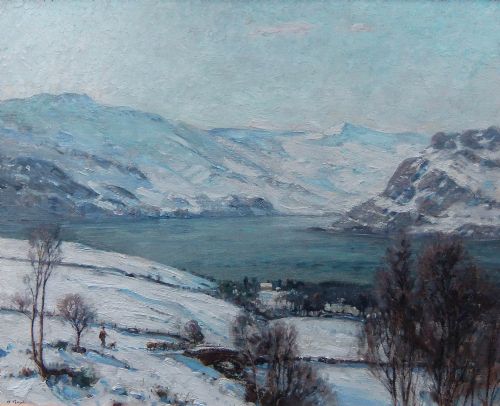
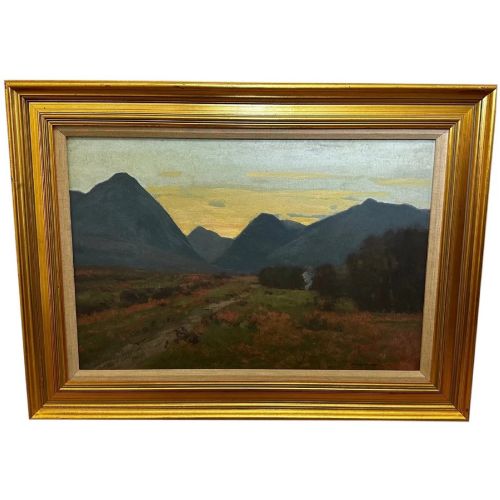
A Scottish landscape canvas captures the rugged terrain, shimmering lochs and moody skies of the north through traditional oil on canvas compositions.
Scottish Landscape Canvas
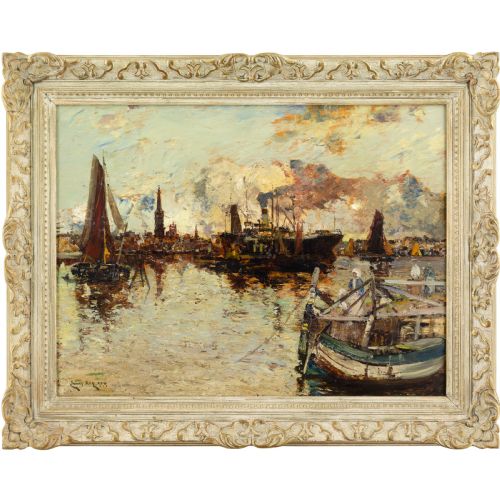
A Scottish landscape canvas brings the dramatic topography of the Highlands and lochs directly into a room through oil paint applied to stretched fabric. These artworks span from the Victorian era into the mid-twentieth century, recording mountains, coastal views and rural livestock.
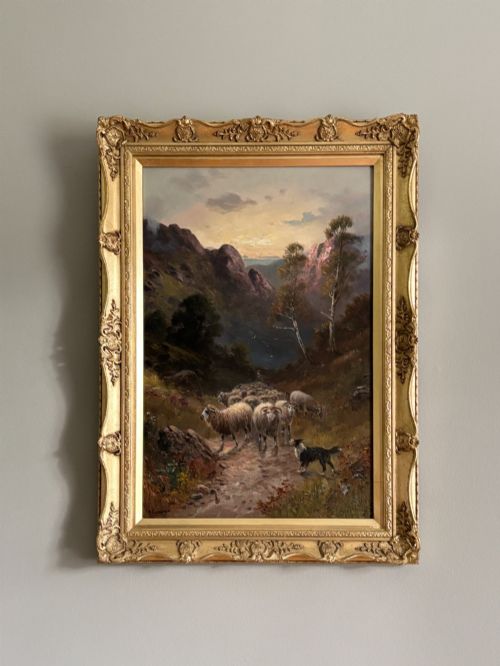
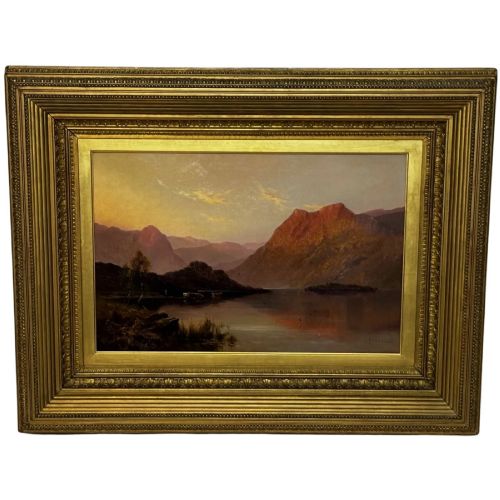
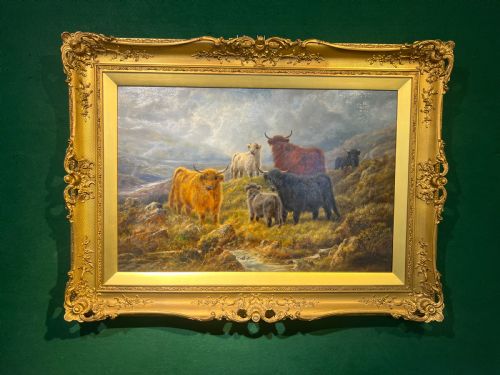
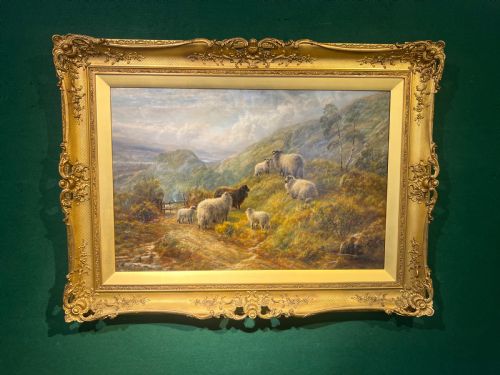
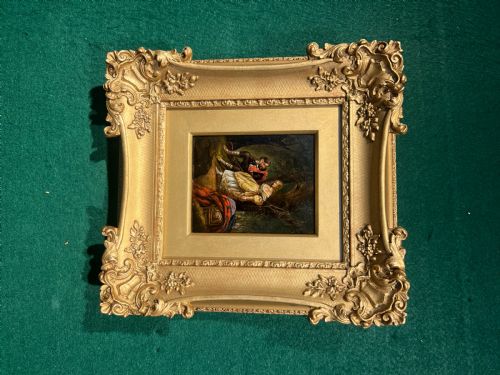
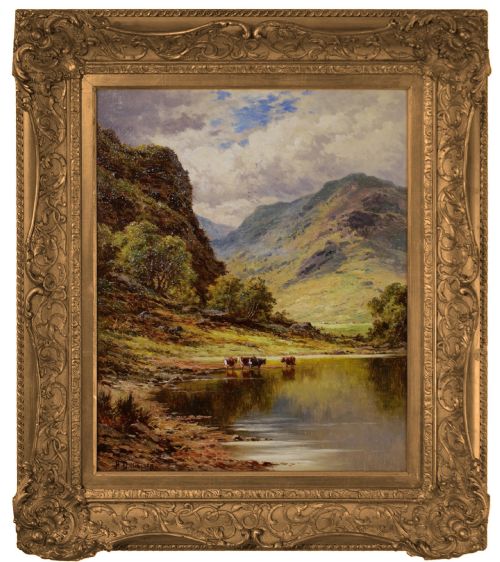
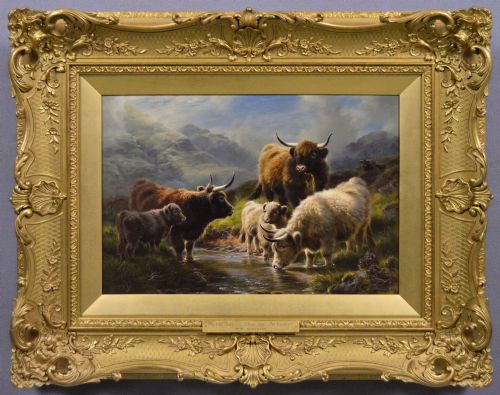
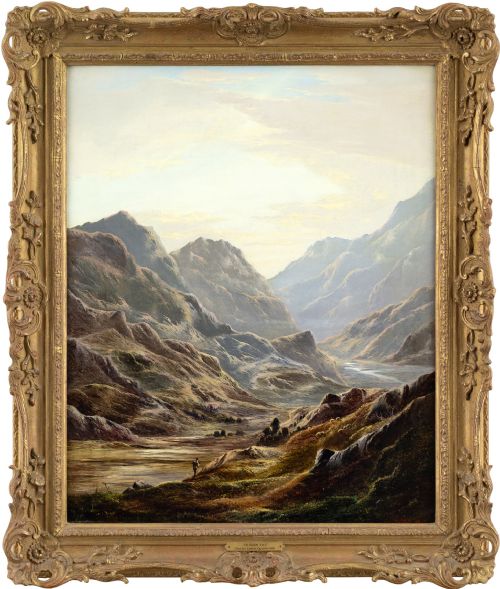
The version most commonly encountered on this page is the Victorian or Edwardian framed oil painting, often depicting Highland cattle or misty lochs under expansive skies. Works range from intimate cabinet pieces to large gallery canvases executed by named regional artists and historic schools.
Materials and Method
Pigments were worked in oil paint upon a prepared canvas support, frequently stretched over a wooden frame and housed in heavy giltwood and gesso frames. Painters built up brushwork to render texture in granite crags, heather moors and the coats of Highland cattle.
Supports rely on woven canvas stretched tightly across timber wedges, while ornamental frames utilise moulded gesso finished in gold leaf to complement the painted scenes.
Countless Victorian cattle stubbornly stand knee-deep in Scottish lochs, unfazed by the Highland mist.
Distinguishing Quality
The distinction between ordinary output and superior work rests upon the artist's command of light, atmosphere and scale. Finer canvases capture the specific quality of northern light and weather with assured brushwork rather than formulaic repetition.
Condition of the original paint surface and the integrity of the period giltwood frame heavily influence the standing of a piece, alongside documented attribution to recognised regional painters.
Herbert Royle·Sir David Murray·Alfred Fontville de Breanski·George Houston·James Kay·Donald McIntyre·Henry H Parker·Robert Watson·Joseph Farquharson·William Watson Jnr·Robert Cleminson·Charles Leslie·Alexander Wellwood Rattray·Everett Watson Mellor·Archibald Kay·Henry Robinson Hall·Thomas Bromley Blacklock·Henry Hillier Parker·William Littlejohn·William Grant Murray·John Douglas Perrett·Tom Seymour·Sidney Yates Johnson
The Scottish Landscape Canvas Glossary
- Oil on Canvas
- Pigment bound in drying oil applied to a woven fabric support. This traditional medium allows for rich blending and textured impasto work.
- Giltwood
- Timber carved and coated in gold leaf or gilt finish. These elaborate frames define the presentation of nineteenth-century canvases.
- Gesso
- A plaster-like mixture applied to wooden frames before gilding. It provides a smooth base for intricate moulded ornamentation.
- Scottish Impressionism
- A regional painting movement influenced by continental styles while retaining distinct northern subject matter and palette choices.
Scottish Landscape Canvas: Frequently Asked Questions
What periods do these paintings date from?
The available selection spans from the late eighteenth and nineteenth centuries through the Edwardian period and into the mid-twentieth century. Victorian examples form a substantial portion of the works.
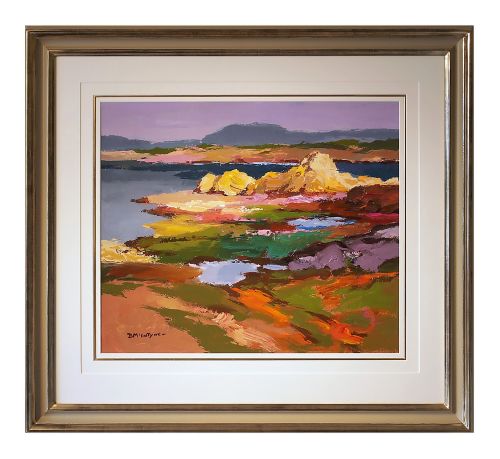
Later pieces extend into modern British and impressionist styles from the mid-twentieth century.
How should I care for an oil painting on canvas?
Keep the canvas away from direct sunlight, damp conditions and rapid temperature fluctuations to prevent cracking in the paint layer. Dust the surface gently with a soft, dry brush.
The wooden stretcher behind the canvas may occasionally require subtle adjustment using its corner keys if the fabric loses tension.
Are the frames original to the canvases?
Many Victorian and Edwardian works retain their period giltwood and gesso frames, which form an integral part of the historical presentation. These ornate surrounds complement the pastoral and mountainous subjects.
Some pieces may have undergone conservation framing or mounting over the decades while preserving their core aesthetic.
What subjects are most common in these scenes?
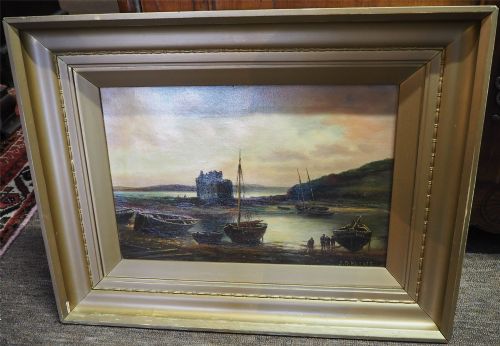
Loch views, mountainous terrain and Highland cattle near water dominate the nineteenth-century compositions. Painters frequently recorded specific Scottish locales such as Loch Tay, Loch Lomond and the Grampians.
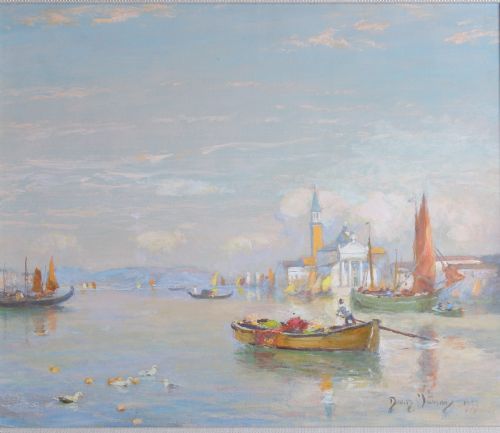
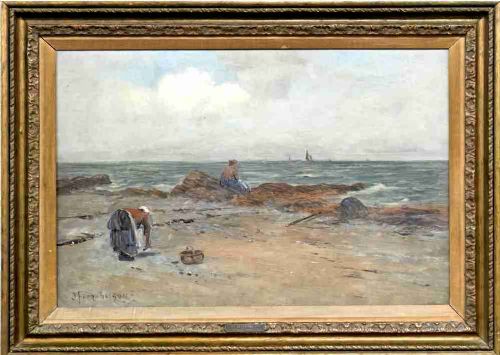
Other recurring motifs include sheep grazing on moorland, coastal marine views and pastoral harvest scenes.