


Scottish Fine Art Portrait
A scottish fine art portrait brings centuries of character into a room through oil paint on canvas and carved wood.
Scottish Fine Art Portrait
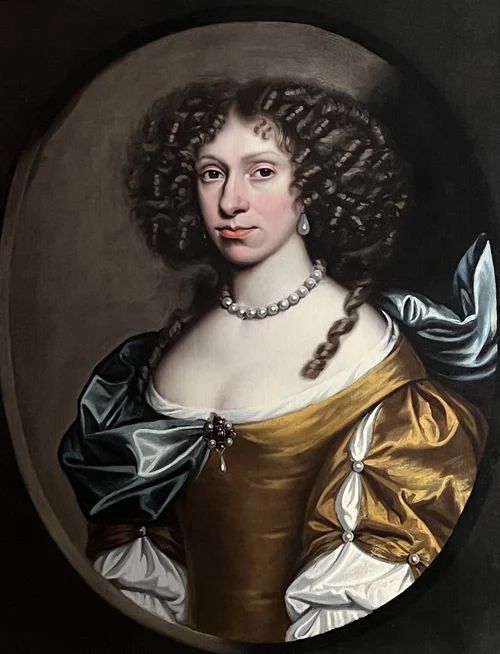
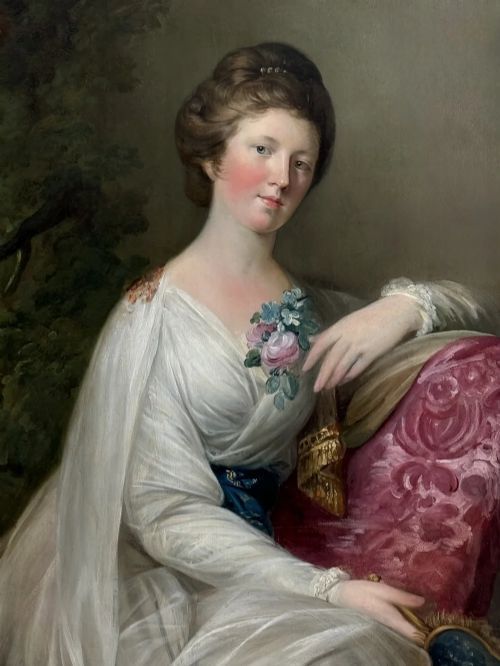
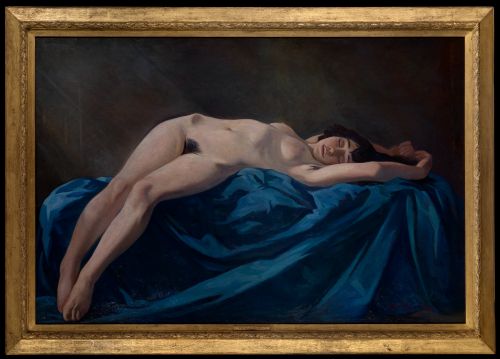
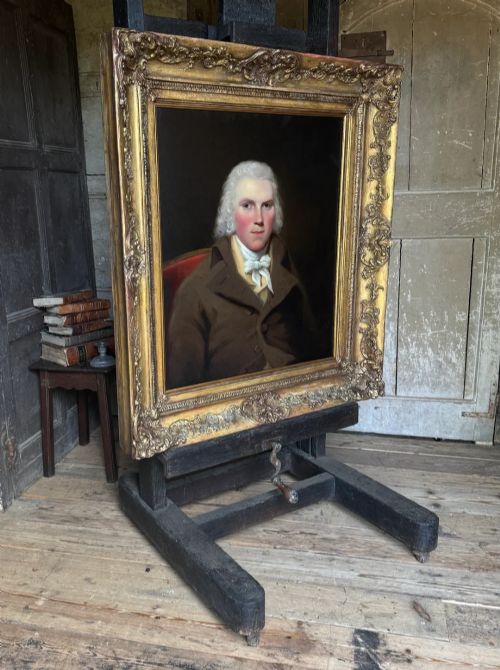
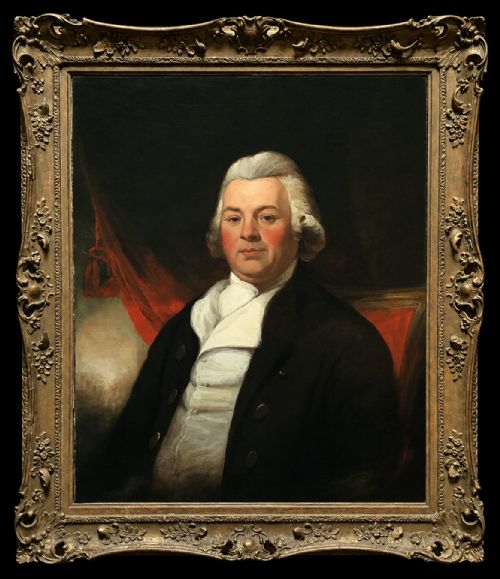
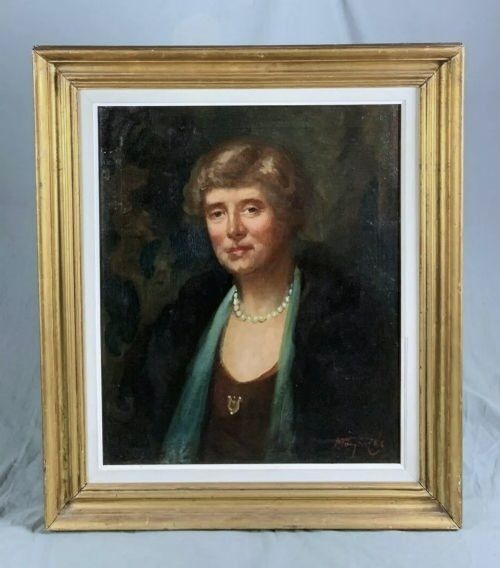
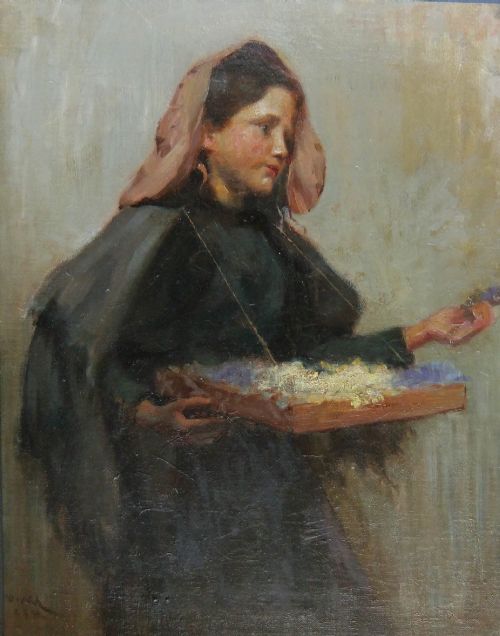
When you search for a scottish fine art portrait, you encounter oil paintings on canvas, portrait miniatures, and occasional sculpted busts depicting notable figures from the seventeenth century onward. The versions you meet most frequently on this page span the georgian and victorian eras, often framed in giltwood.
The subjects range from physicians and ministers to nobles and merchants, reflecting the social history of Scotland across successive centuries. Painters working within regional schools alongside named artists capture these sitters with distinct regional gravity.
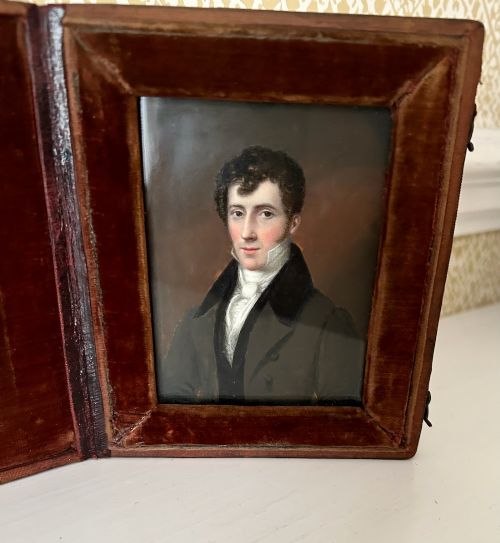
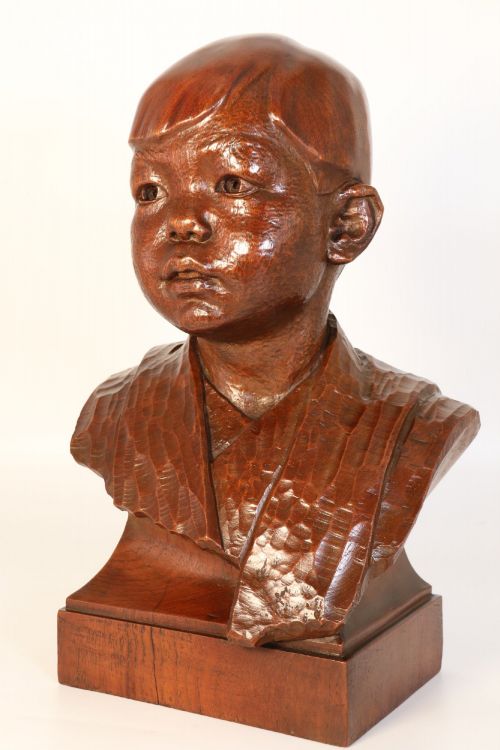
Beyond standard canvas works, the selection includes intimate miniatures and carved walnut sculptures that expand the definition of traditional portraiture. Each piece records a specific individual through the lens of changing historical periods.
How they were made
Artists painted primarily with oil on canvas or wood boards, applying pigments that retain their depth across centuries. Giltwood frames, often finished with gold leaf, enclose the canvases to complement the dark, rich palettes typical of these works.
Sculpted pieces utilise solid materials like walnut, carved to render lifelike detail in three dimensions. Portrait miniatures achieve remarkable precision on small scales, relying on steady brushwork and prepared surfaces.
Listings feature works spanning the seventeenth century through the mid-nineteenth century, executed in oil on canvas and wood.
What varies in quality
The skill of the brushwork and the anatomical accuracy of the sitter define the upper tiers of these portraits. Works attributed to named artists or established circles demonstrate superior handling of light, shadow, and fabric texture.
The preservation of the original canvas, pigment stability, and the authenticity of the accompanying giltwood frame influence the overall integrity of the piece. Lesser examples display stiffer rendering and heavier later restoration work.
David Scougall·George Willison·George Watson·Charles James McCall·George Henry Paulin·John Horsburgh·Alan Ramsay·Robert Gemmell Hutchison·John Phillip·Cowan Dobson
The Scottish Fine Art Portrait Glossary
- Giltwood
- Wood carved and covered with a thin layer of gold leaf or gold paint. This finish creates the bright, reflective borders seen on traditional picture frames.
- Portrait miniature
- A small, highly detailed painting executed on materials such as vellum, copper, or ivory. These portable works became popular in the eighteenth and nineteenth centuries.
- Circle of
- A term used when a painting shows the distinct style of a master artist's workshop or close associates. It indicates production during the artist's lifetime or shortly after by a follower.
- Baroque
- An ornate artistic style spanning the seventeenth and early eighteenth centuries, characterised by dramatic lighting and rich textures. Portraits from this period often feature deep shadows and theatrical poses.
Scottish Fine Art Portrait: Frequently Asked Questions
How do I identify the period of a scottish fine art portrait?
Examine the clothing, hairstyle, and framing techniques of the sitter, which generally align with the fashion of the documented era. Canvas preparation and stretcher construction also offer clues to the age of the work.
Signatures, inscriptions on the reverse, and stylistic markers such as georgian formality or victorian sentimentality help narrow down the exact decade of creation.
What subjects appear in these paintings?
The subjects include Scottish nobility, ministers, physicians, merchants, and children, recorded by regional artists and schools. Each sitter represents a specific stratum of historical society.
Some works depict named historical figures while others remain unidentified sitters captured by regional portraitists of the seventeenth through twentieth centuries.
Where should I hang a large oil portrait?
Large oil paintings require sturdy walls and adequate hanging hardware to support the combined weight of the canvas and heavy giltwood frame. Place them away from direct sunlight to protect the oil pigments.
Rooms with stable humidity levels prevent the wood stretcher bars and canvas from warping over time, ensuring the portrait remains preserved.
Are all these portraits painted in Scotland?
The subjects and artists possess strong Scottish connections, though some painters travelled or worked across Britain. The sitters typically belong to Scottish families, institutions, or historical circles.
Local provenance and inscriptions often confirm the geographic ties of the individuals portrayed on the canvas.