





Scottish Country Painting
A Scottish country painting brings the rugged beauty of the Highlands and rural life directly onto your wall.
Scottish Country Painting
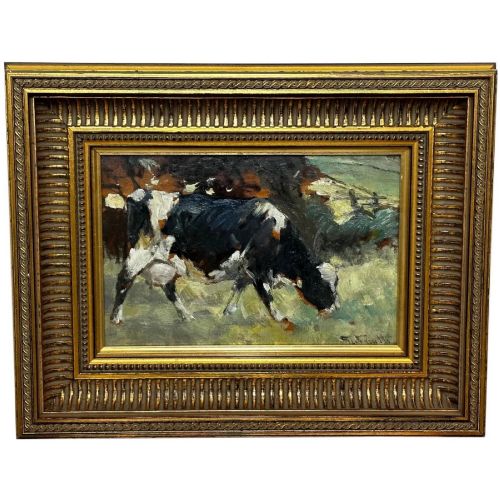
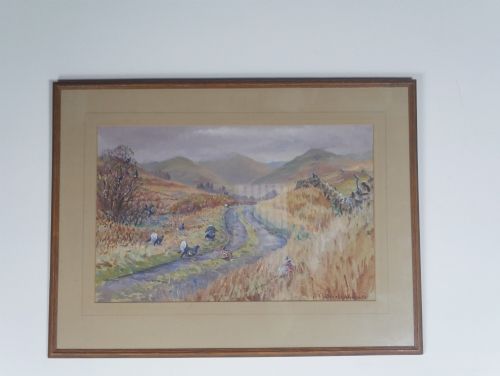
A Scottish country painting captures the distinct rural landscape, wildlife, and agricultural heritage of Scotland across the nineteenth and twentieth centuries. These works frequently depict Highland cattle, moorland scenes, sheep dogs, and remote crofts under expansive northern skies. Buyers seeking this aesthetic will encounter oil on canvas and watercolour works reflecting both romantic landscape traditions and rustic realism.
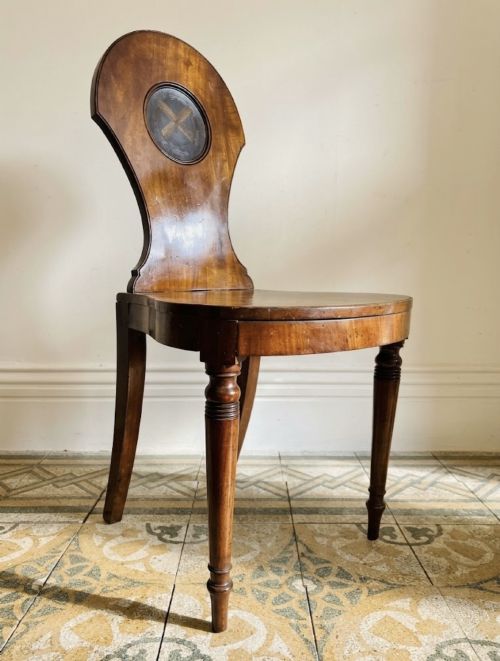
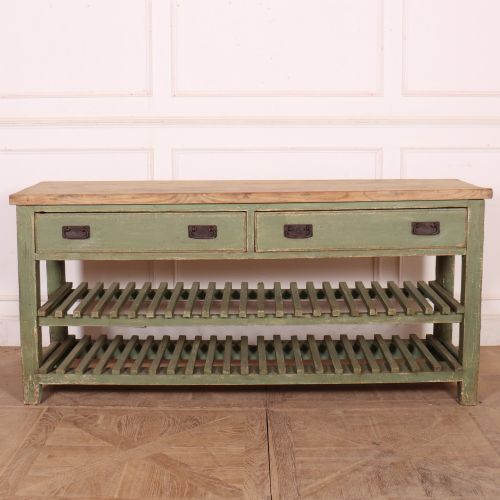
The pieces available span various periods including the Victorian era and the early twentieth century, incorporating distinct regional styles such as Scottish Impressionism and nineteenth century British landscape art. Alongside traditional canvas works, collectors also find related regional furniture like painted dresser bases and kitchen cupboards sharing the same domestic vernacular. These paintings serve as historical windows into rural Scottish life, recorded by artists working both locally and nationally.
Materials and Techniques
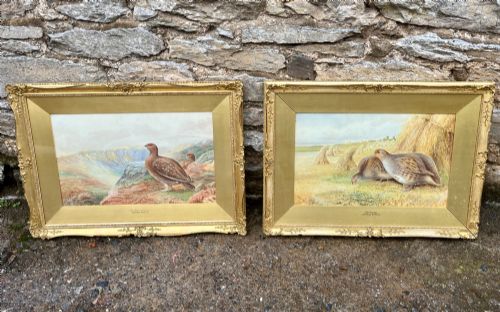
The physical construction of these artworks relies heavily on oil pigments applied to canvas or wood board, alongside traditional watercolours on paper. Artists utilised oil paints to build rich textures and deep tones suitable for moody Highland weather and animal subjects, while watercolours offered a lighter medium for detailed game bird studies. Surviving works are often housed within their original giltwood frames or simple wooden mouldings that complement the domestic scale of the pieces.
Supporting the art, the wider material culture of the period employs native timbers like pine, frequently finished with original paint, scumble glazes, or plain wax. The integration of durable canvas stretched over wooden frames ensured these paintings survived decades in rural farmhouses and country homes. Pigment choices typically leaned toward earthy palettes derived from natural minerals to mimic the rugged hills and moorlands.
Scottish Country Painting Retail Price Guide 2026
Typical asking prices for scottish country painting among the pieces listed under this phrase on Sellingantiques today, from the lower quarter to the upper quarter. They describe what is for sale here now, not the wider market.
Listings incorporate nineteenth century and early twentieth century works executed in oil on canvas, board, and watercolour on paper.
Factors Defining Quality
Quality in these rural artworks rests primarily upon the artist's ability to render anatomy, particularly in animal subjects such as Highland cattle, deer, and working dogs, with anatomical accuracy and expressive life. Superior works demonstrate confident brushwork and a sophisticated handling of natural light that elevates a standard topographical view into a compelling atmospheric scene. The preservation of the original paint surface on both the canvas and any associated frame significantly influences the desirability of the piece.
At the lower end of the scale, works by anonymous provincial painters can exhibit stiff composition, muddy tones, and clumsy proportions in figures or animals. Greater artistic reputation, documented exhibition history, and a strong provenance linking the canvas to specific Scottish locations separate exceptional examples from standard decorative items. The condition of the canvas, minimal restoration, and the stability of the support substrate further dictate the standing of an individual work.
George Rankin·Robert Watson·John Charles Tunnard·Charles Jones·William Miller Frazer·Robert Cleminson·GW Horlor·Henry Birtles·Stephen Elmer·Sir David Murray·John W Morris
The Scottish Country Painting Glossary
- Oil on Canvas
- Pigments bound in a drying oil applied to a woven fabric stretched across a wooden frame. This combination provided durability and allowed artists to build rich, textured layers of colour.
- Watercolour
- A painting method where fine pigment is suspended in a water-soluble binder, typically painted onto paper. It produces translucent washes of colour well suited to delicate studies of birds and rural scenes.
- Giltwood
- Wood carved and coated with a thin layer of gold leaf or metallic gilt powder. It is commonly found on the decorative frames surrounding nineteenth century landscape paintings.
- Scumble
- A thin, opaque or semi-opaque layer of light paint dragged loosely over a darker underlying colour. This technique creates a textured, aged finish often seen on regional furniture accompanying these interiors.
- Provincial
- Pertaining to art or objects created outside major metropolitan cultural centres, reflecting local materials, techniques, and tastes. In Scottish works, this highlights regional rural traditions.
Scottish Country Painting: Frequently Asked Questions
What subjects appear most often?
The prevalent subjects include Highland cattle grazing near streams, sheep dogs with flocks, game birds, and remote crofts nestled in moorland landscapes. These themes reflect the deep agricultural and sporting heritage of rural Scotland.
Artists frequently returned to these motifs to capture the changing weather and dramatic topography of the Highlands and lowlands alike.
How do I identify the period?
Dating relies on stylistic clues, framing materials, and artist signatures documented in historical records from the nineteenth and early twentieth centuries. Victorian works often feature heavier, ornate gilt frames and a darker, more dramatic palette.
Later pieces from the 1920s and onward may show looser brushwork influenced by impressionist movements while retaining traditional rural subject matter.
Where were these pieces displayed?
These paintings historically hung in Scottish farmhouses, country estates, and rural manors alongside utilitarian pine furniture such as dresser bases and food cupboards. They formed part of a cohesive domestic vernacular celebrating local industry and natural surroundings.
Today, they suit similar rustic interiors or traditional study spaces seeking a strong historical connection.
Are watercolours as durable as oils?
Watercolours on paper require careful protection from direct sunlight and moisture to prevent fading and paper degradation over decades. They are traditionally glazed behind glass within secure framing to maintain their delicate pigments.
Oil paintings on canvas offer greater resilience against environmental factors, though both mediums benefit from stable indoor humidity and temperature.