



Scottish Artist Artwork
When you search for scottish artist artwork, you are looking at oil paintings, watercolours, and fine art spanning from the seventeenth century through to the mid-twentieth century.
Scottish Artist Artwork
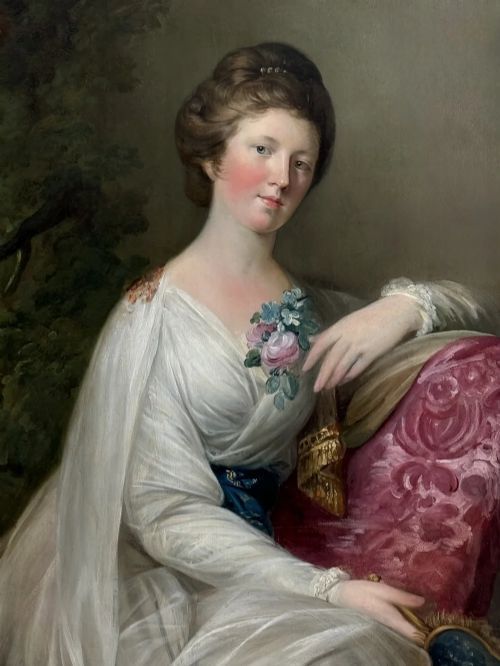
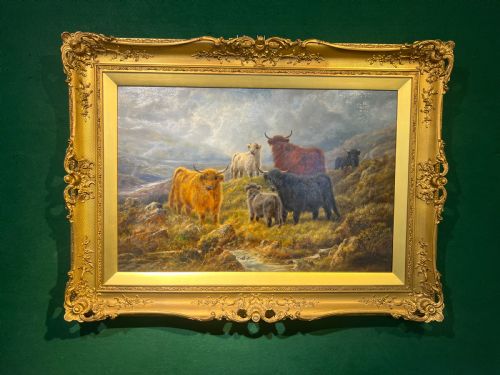
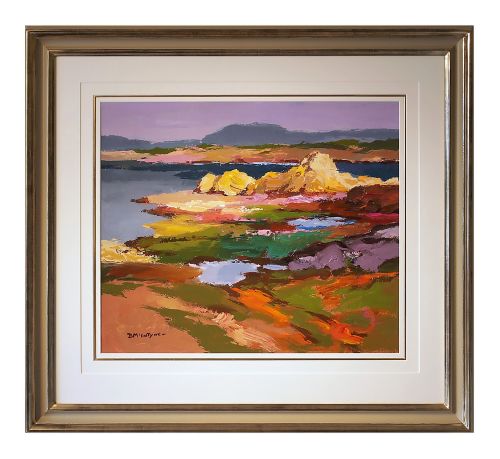
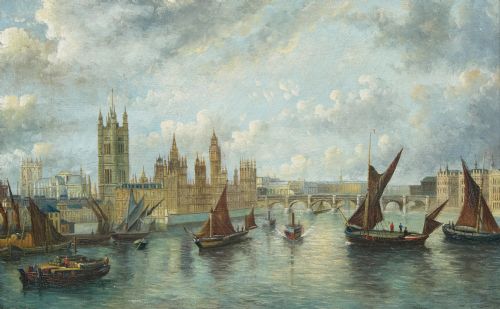
When you search for scottish artist artwork, you encounter oil paintings, watercolours, and drawings produced by painters associated with Scottish schools and traditions. The selection spans several centuries, moving from seventeenth-century portraiture through Victorian landscapes to mid-century modern abstract compositions.
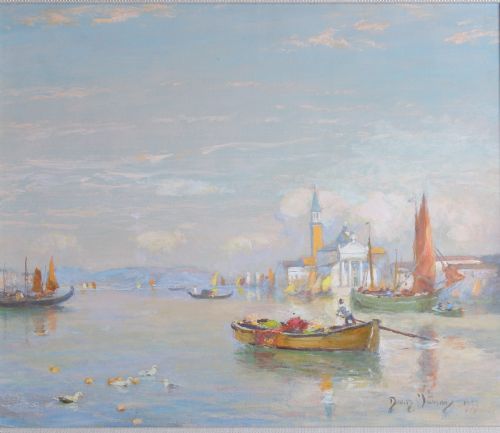
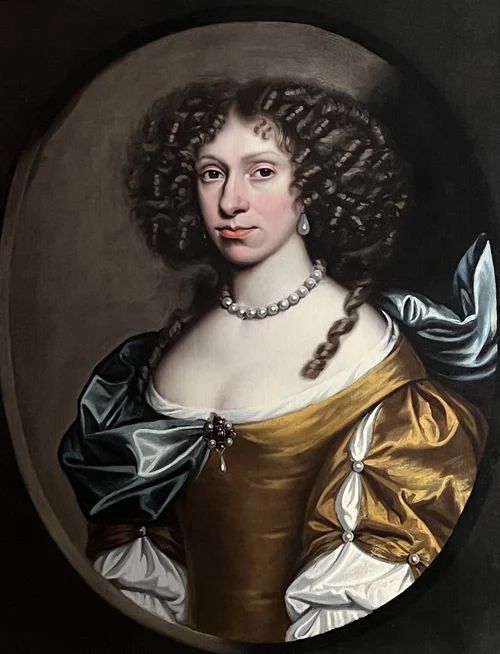
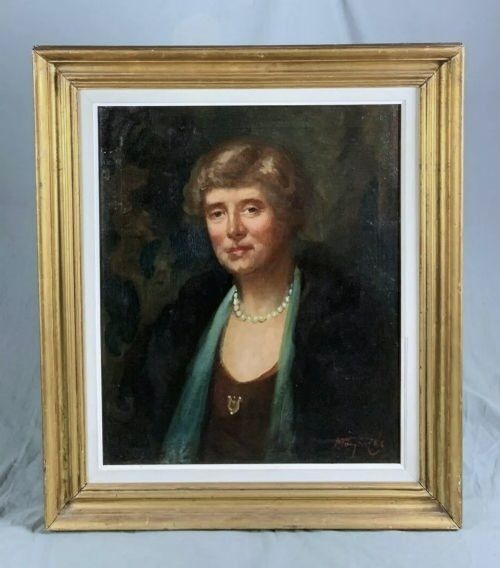
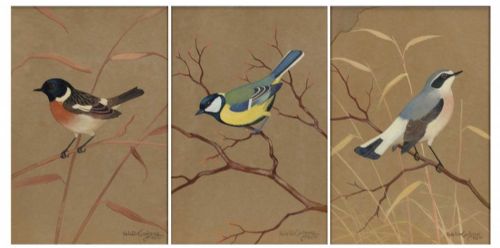
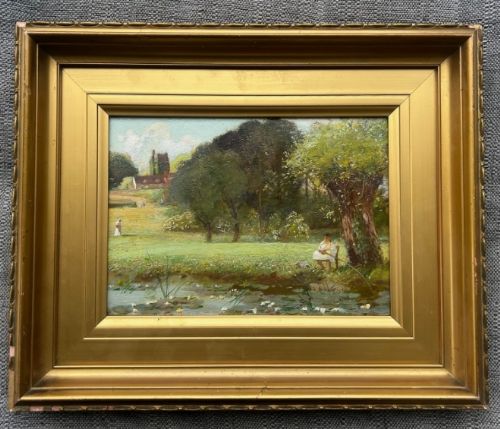
The physical forms vary considerably, ranging from small watercolours of garden birds and painted silhouettes to large framed oil paintings on canvas, wood panel, and board. Subjects include coastal seascapes, pastoral river scenes, sheep dogs, and formal portraiture of notable figures.
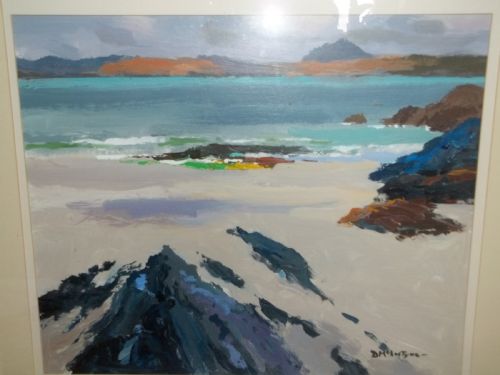
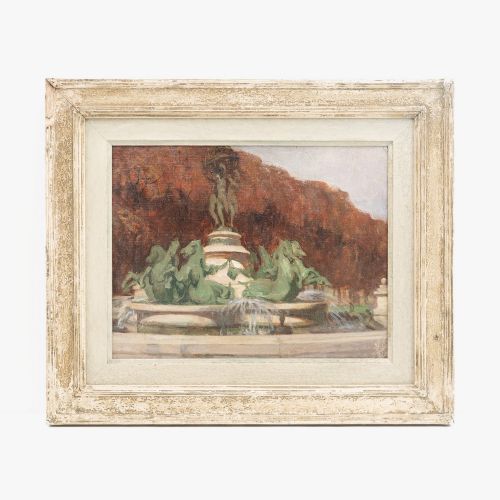
Most pieces on this page originate from the nineteenth and early twentieth centuries, reflecting the strong output of Scottish Impressionism and regional academic painting during those periods. You also find mid-century works that demonstrate a shift towards bolder abstraction and varied media.
How they were made
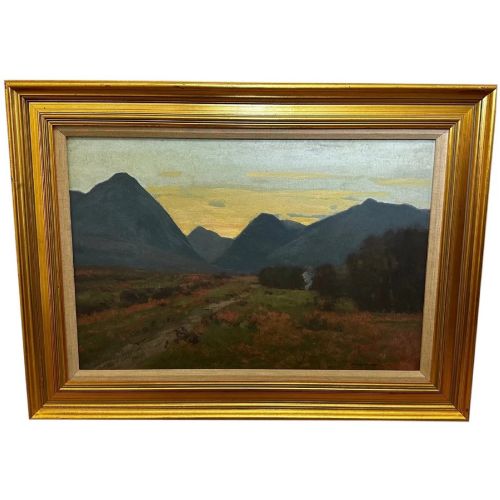
The physical works rely primarily on oil paint applied to canvas, wood panels, or board, often demonstrating textured brushwork characteristic of impressionist methods. Watercolours on paper appear frequently, capturing fine detail in domestic interiors, garden birds, and coastal views.
Frames play a significant role in the presentation of these pieces, with giltwood surrounds frequently housing the nineteenth-century canvases and watercolours. Support materials range from traditional prepared canvas and stretched linen to heavy paper and wood panels.
Scottish Artist Artwork Retail Price Guide 2026
Typical asking prices for scottish artist artwork among the pieces listed under this phrase on Sellingantiques today, from the lower quarter to the upper quarter. They describe what is for sale here now, not the wider market.
The selection includes various artistic approaches, moving from formal Victorian portraiture to Scottish Impressionism and Mid-Century Modern abstraction.
What varies in quality
Quality rests upon the confidence of the brushwork and the clarity of the composition, distinguishing academic studio output from more hurried topographical sketches. Stronger pieces display assured handling of light and atmospheric depth, particularly in landscape and coastal subjects.
The reputation and exhibition record of the painter heavily influence the standing of an artwork, with members of recognised institutions like the Royal Scottish Academy typically demonstrating greater technical mastery. The preservation of the original paint surface and the appropriateness of the framing also shape the overall merit of each piece.
David Scougall·George Willison·George Houston·Donald McIntyre·Robert Watson·John Macvicar Anderson·Charles James McCall·Douglas Cameron·Alexander Jamieson·Ralston Gudgeon·Sir David Murray·William Littlejohn·J D Fergusson·John A Houston·John Douglas Perrett·Joseph Farquharson·John Mitchell·John Smith of Edinburgh·Margaret Laing·William Miller Frazer·GW Horlor·Robert McGregor·James Stuart Park·John R Houston·John Robertson Reid
The Scottish Artist Artwork Glossary
- Oil paint
- A slow-drying paint made by combining pigment particles with a drying oil, most commonly linseed oil. This medium allows for rich colour blending and textured impasto techniques on canvas or wood panel.
- Watercolour
- A painting method in which the paints are made of pigments suspended in a water-soluble vehicle. It is typically applied to heavy paper to create luminous, translucent washes of colour.
- Canvas
- A closely woven heavy fabric used as a surface for oil painting, usually stretched tightly across a wooden frame. It remains the standard support for professional paintings from the eighteenth century onward.
- Giltwood
- Wood, often carved moulding, that has been coated with a thin layer of gold leaf or gilt powder. It is commonly found on traditional frames enclosing nineteenth-century fine art.
- Impressionism
- A style of painting that focuses on capturing the visual impression of the moment, utilising unblended brush strokes and an emphasis on the accurate depiction of light. Scottish practitioners adapted these continental techniques to local rural and coastal scenery.
Scottish Artist Artwork: Frequently Asked Questions
How do I know if an artwork is genuinely antique?
Authentication relies on examining the materials of the support, such as the weave of the canvas, the composition of the wood panel, or the type of paper used for watercolours. Signatures, monogram markings, and exhibition labels on the reverse provide further historical context.
Framing styles and the ageing process of the oil paint or varnish can also indicate the period in which the piece was produced.
Are these paintings supplied with their original frames?
Many works retain their period frames, particularly giltwood surrounds that match the era of Victorian and Edwardian production. These frames often show characteristic age wear that complements the artwork.
Others may have been reframed at a later date to suit modern conservation standards or interior display preferences.
What is the difference between an oil painting and a watercolour?
Oil paintings use pigment suspended in drying oil on canvas or wood, allowing for thick impasto applications and deep colour saturation. They generally offer greater durability and heavier surface texture.
Watercolours use water-soluble pigments on paper, producing lighter, translucent effects that typically require glass protection when framed.