







Scandinavian Pine Dresser
A scandinavian pine dresser brings rustic utility and painted charm into a room, offering practical storage with distinct regional character.
Scandinavian Pine Dresser
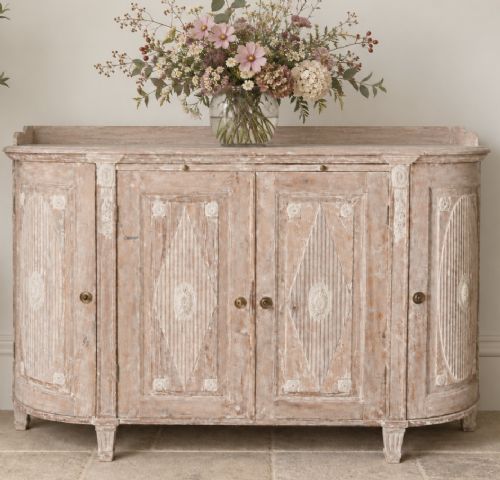
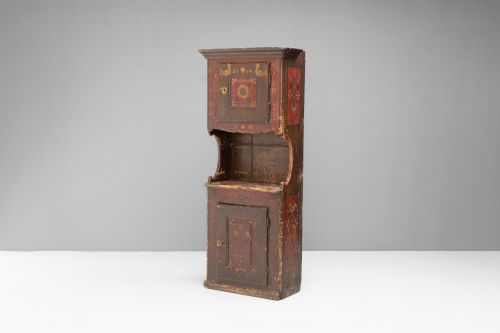
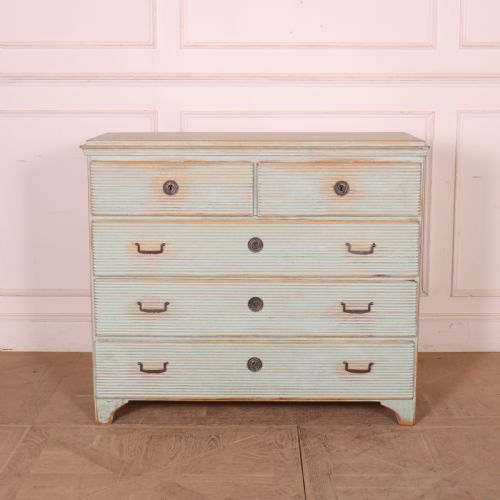
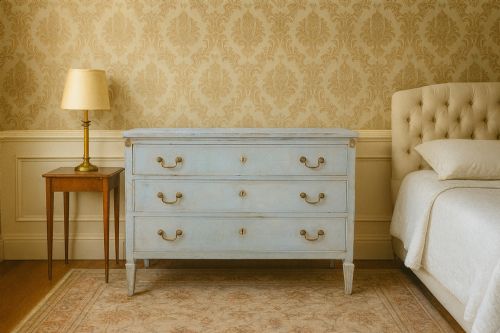
When you search for a scandinavian pine dresser, you find storage furniture originating from countries such as Sweden and Denmark, spanning periods from the eighteenth century through to the twentieth century. These pieces encompass regional variations including Gustavian neoclassical commodes, folk art cupboards, and rustic country cabinets.
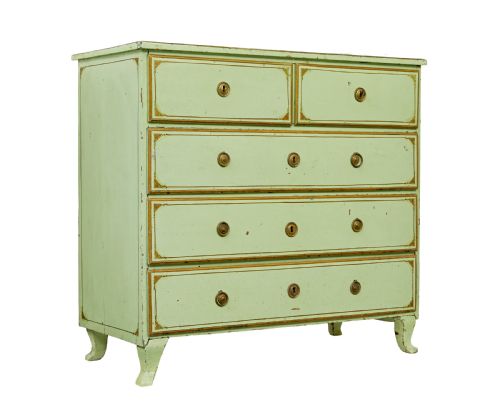
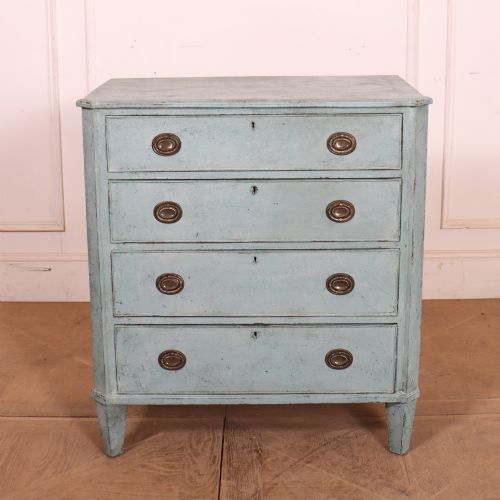
The selection on this page demonstrates that while actual dressers appear alongside related storage forms, buyers frequently encounter painted chests of drawers, kitchen cabinets, and linen cupboards sharing the same aesthetic. Pine serves as the primary timber, often finished with historic paint layers that define the visual appeal of each item.
Materials and construction
Makers utilised native pine for carcass construction, shaping timber into substantial storage units, commodes, and dressers. Construction techniques relied on traditional joinery methods suited to softwood, ensuring durability across decades of domestic use.
Surfaces frequently received decorative treatments involving paint, mineral paint, or ragwork finishes rather than polished wood. Details such as simulated birch effects, fluted drawer fronts, and bonnet tops introduced stylistic refinement to utilitarian forms.
Scandinavian Pine Dresser Retail Price Guide 2026
Typical asking prices for scandinavian pine dresser among the pieces listed under this phrase on Sellingantiques today, from the lower quarter to the upper quarter. They describe what is for sale here now, not the wider market.
Several pieces sport simulated birch paint, proving that pine has long enjoyed pretending it came from a more expensive tree.
Assessing quality and finish
Quality rests in the integrity of the original paint surface and the subtlety of decorative details like fluting or hand-painted folk motifs. Pieces retaining untouched scraped paint or early coats present superior historical character compared to later refinished examples.
Proportion and execution distinguish finer items from simpler utilitarian storage, particularly in Gustavian or Baroque revival pieces where classical restraint governs the design. The handling of drawer construction and timber selection further separates standard regional work from exceptional workshop output.
GEMLA FABRIKERS
The Scandinavian Pine Dresser Glossary
- Gustavian
- Pertaining to the Swedish neoclassical style popular during the late eighteenth century, characterised by restrained symmetry and classical motifs. It draws inspiration from French court taste interpreted through a Scandinavian lens.
- Ragwork paint
- A decorative paint technique where rags or cloths create mottled, textured patterns on the surface of the timber. This finish adds depth and visual movement to painted pine furniture.
- Commode
- A low chest of drawers or cabinet, often featuring decorative drawer fronts or a shaped apron. The term frequently applies to sophisticated Swedish storage pieces.
- Bonnet top
- An arched or hooded upper section surmounting a cabinet or dresser. This architectural feature elevates the height and presence of the piece.
- Folk art
- Traditional decorative painting and ornamentation executed by regional artisans rather than academic workshops. It imparts unique local character through vibrant motifs and freehand designs.
Scandinavian Pine Dresser: Frequently Asked Questions
What is a scandinavian pine dresser?
A scandinavian pine dresser is a storage unit or cabinet constructed from pine in regions including Sweden and Denmark. These pieces often feature painted surfaces and styles ranging from rustic folk art to refined neoclassical designs.
They provide functional shelving or drawer space while introducing distinct Nordic character to an interior. The category encompasses kitchen cupboards, commodes, and dressers from the eighteenth to the twentieth centuries.
How do I date a pine dresser?
Dating relies on examining construction methods, hardware, stylistic influences, and paint analysis. Pieces exhibiting Gustavian neoclassicism point to the late eighteenth century, whilst Victorian or twentieth-century examples display different joinery and proportions.
Paint layers provide crucial evidence, with original scraped finishes or early mineral paint indicating the age of the piece. Comparing hardware types and decorative details such as fluted drawer fronts helps narrow the period of origin.
Are these pieces painted?
Many examples feature historic painted surfaces, including original paint, ragwork, or simulated birch effects. Regional workshops frequently decorated pine furniture with distinct colour palettes and folk motifs.
Paint finishes vary from simple utilitarian coats to sophisticated neoclassical schemes. Surviving early paint enhances the historical interest and visual appeal of the furniture.
How do I live with a pine dresser?
Living with these pieces involves placing them in kitchens, dining rooms, or living spaces where their storage capacity and decorative presence can be utilised. They anchor a room by providing vertical scale and a warm, textured timber or painted finish.
Maintenance requires avoiding excessive moisture and direct sunlight to protect historic painted surfaces. Pairing them with contemporary or traditional interiors highlights their versatile aesthetic.