


Scandinavian Painted Pine Wardrobe
A scandinavian painted pine wardrobe brings distinct Nordic character and generous storage to a room through traditional craftsmanship and painted wooden surfaces.
Scandinavian Painted Pine Wardrobe
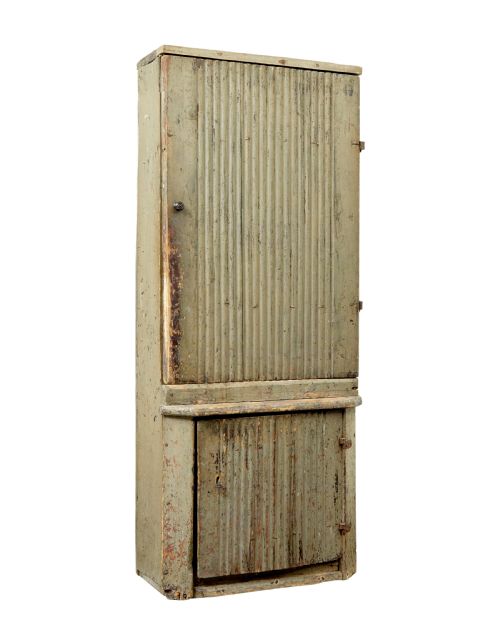
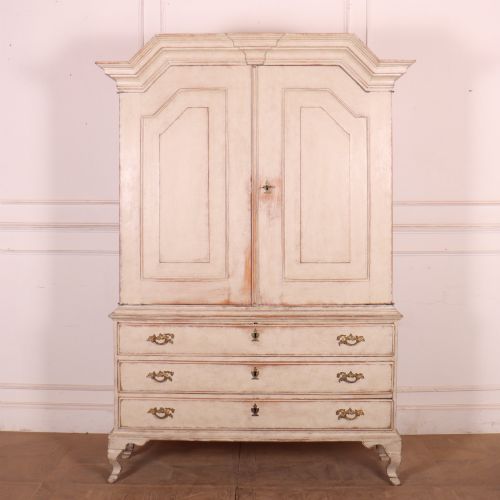
When you search for a scandinavian painted pine wardrobe, you are looking at large storage pieces that encompass linen cupboards, armoires, and hall wardrobes. The pieces seen here originate from the 18th century, the Georgian period, and the 19th century, reflecting the practical needs of traditional households.
You are most likely to meet 19th-century examples on this page, alongside earlier 18th-century pieces and items from around 1800. These cabinets typically appear in forms such as two-door hall wardrobes and cupboards on stands, shaped by Scandinavian country, Gustavian, and folk art traditions.
The aesthetic leans heavily into Scandinavian folk art and regional styles, where utilitarian storage meets decorative expression. Each piece offers a glimpse into Northern European domestic history through regional carpentry methods and surface decoration.
How they were made
Construction relies upon solid pine, built by regional makers to house garments, linen, and household goods. The timber provides a stable, accessible base for decorative surface work.
Surfaces are finished with paint, often featuring traditional techniques like ragwork and hand-painted details. Iron and brass fittings such as hinges and locks complete the construction of these cupboards and armoires.
Some cupboards hide their linen behind enthusiastic strokes of folk art ragwork.
What varies in quality
Quality reveals itself in the harmony of the proportions and the character of the painted finish. Pieces with skilled hand-painted decoration or traditional ragwork display a higher level of regional artistry than plain utility items.
The integrity of the original pine structure and the retention of early paint layers distinguish the finer examples. Hardware details, including period iron and brass, contribute further to the distinction between standard cupboards and exceptional survivals.
The Scandinavian Painted Pine Wardrobe Glossary
- Ragwork
- A decorative paint technique where rags or cloths are used to manipulate wet paint on a surface, creating mottled or patterned textures. This method was widely used in traditional Scandinavian folk art furniture.
- Gustavian
- The Swedish neoclassical style spanning the late 18th century, named after King Gustav III. It is characterised by lighter colour palettes and restrained classical ornamentation.
- Armoire
- A large wardrobe or cupboard, traditionally used for storing clothes. In Northern European contexts, these pieces often feature substantial two-door construction.
- Pine
- A softwood commonly utilised across Northern European furniture making for its accessibility and workability. It serves as the primary structural and visual medium for these painted wardrobes.
Scandinavian Painted Pine Wardrobe: Frequently Asked Questions
What is a ragwork finish?
Ragwork is a decorative painting method where rags are applied to wet paint to create textured patterns on the wood. It adds distinct visual depth to traditional cupboards.
This technique forms part of the broader Scandinavian folk art tradition seen on many 19th-century pieces.
How do I date these wardrobes?
Dating relies upon structural characteristics, hardware styles, and the context of the painted decoration. Pieces range from the 18th century through the Georgian era to the mid-19th century.
Changes in regional building styles and decorative motifs help place a cabinet within its specific period.
Where were these pieces made?
These wardrobes and cupboards originate from Sweden and broader Northern European regions. Local carpentry workshops built them to serve everyday household storage needs.
Styles reflect regional preferences, ranging from rustic country designs to Gustavian aesthetics.
How should I care for painted pine?
Keep painted pine pieces away from direct sunlight and steady moisture to protect the historic paint layers. Regular dusting with a soft cloth preserves the wooden and painted surfaces.
Avoid harsh chemical cleaners that can damage traditional ragwork and hand-painted finishes.