


Scandinavian Mid Century Silver
Scandinavian mid century silver brings together clean modernist lines and rich enamel work, spanning brooches, necklaces, and holloware from the nineteen forties to the nineteen sixties.
Scandinavian Mid Century Silver
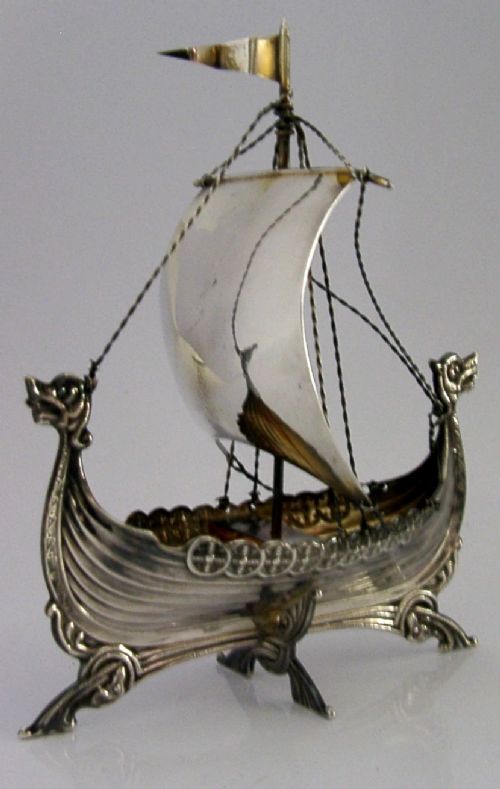
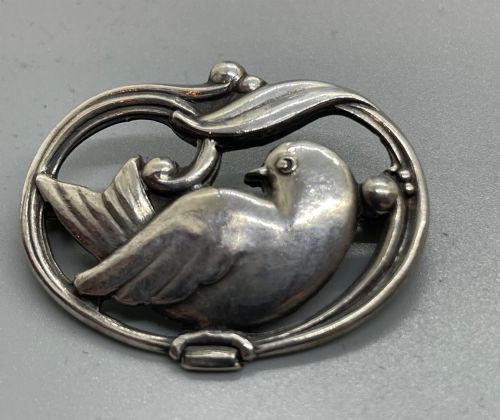
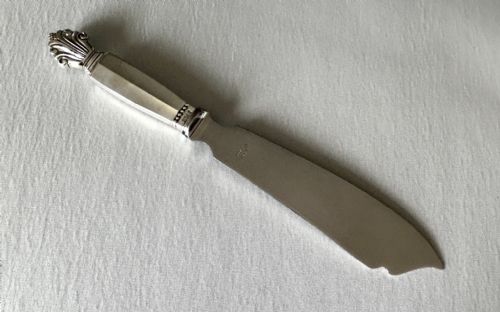
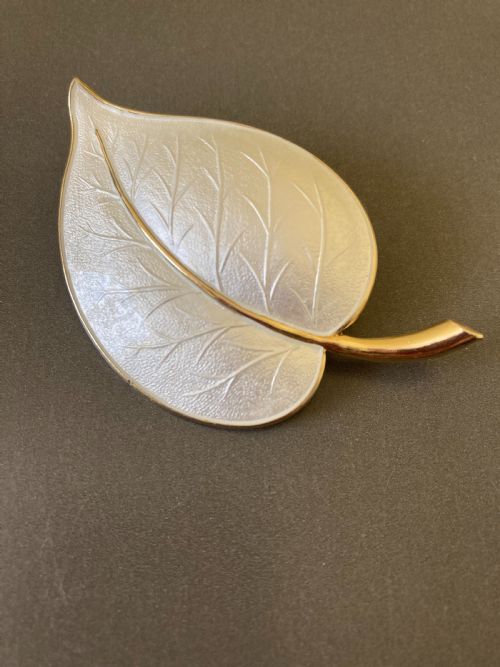
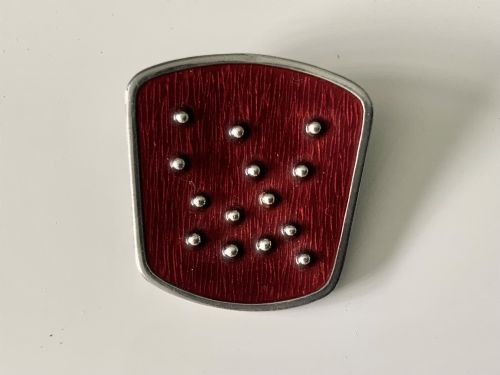
Scandinavian mid century silver encompasses wearable ornaments and functional household pieces originating primarily from Norway, Denmark, Sweden, and Finland. Jewellery forms such as brooches, earrings, rings, and necklaces dominate the selection, frequently paired with colourful enamel surfaces or executed in clean modernist silver. Functional objects appear in domestic forms including serving slices, caddy spoons, cocktail shakers, and dressing table boxes.
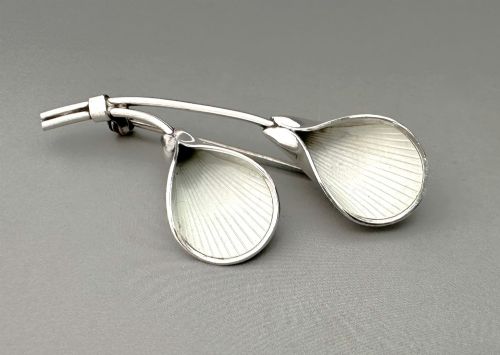
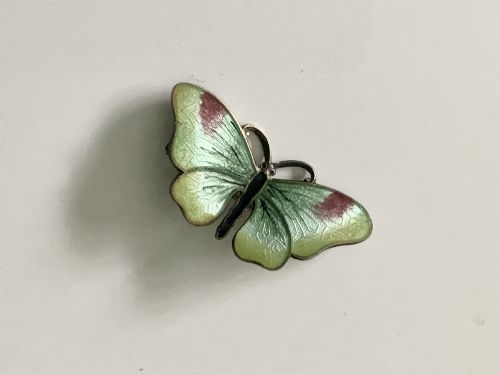
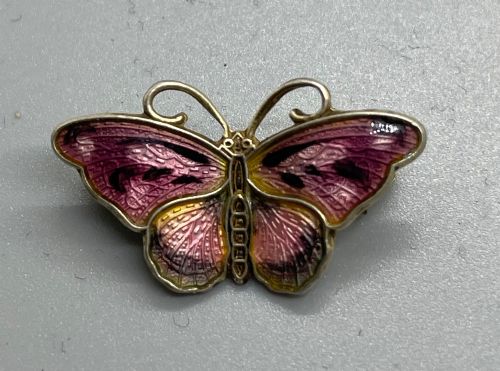
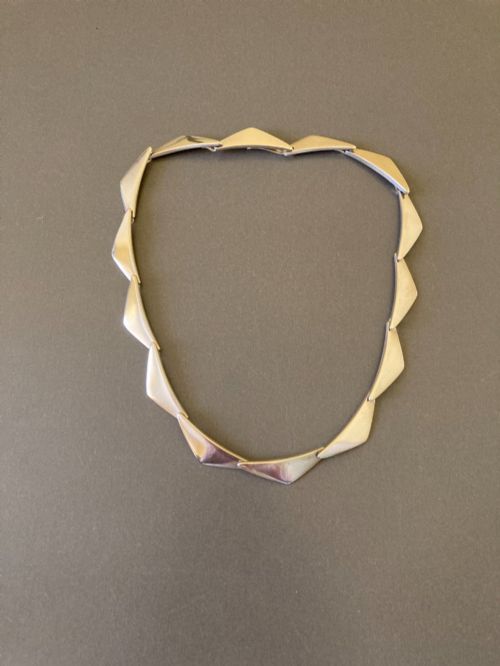
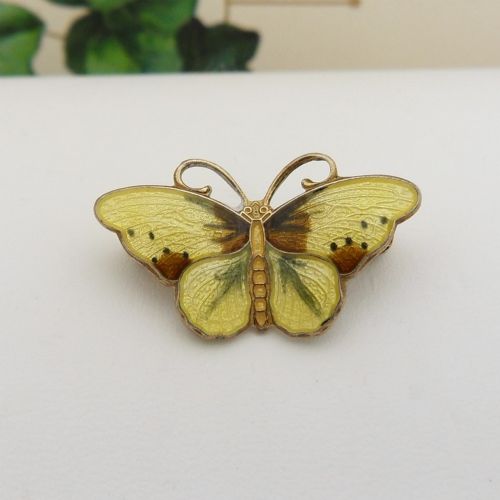
The most common pieces met on this page are Norwegian silver and enamel brooches alongside Danish silver necklaces and rings. These items date predominantly from the nineteen fifties and nineteen sixties, though select items reach back to nineteen forty. Forms range from organic floral and butterfly motifs to stark geometric pendants and bangles.
How They Were Made
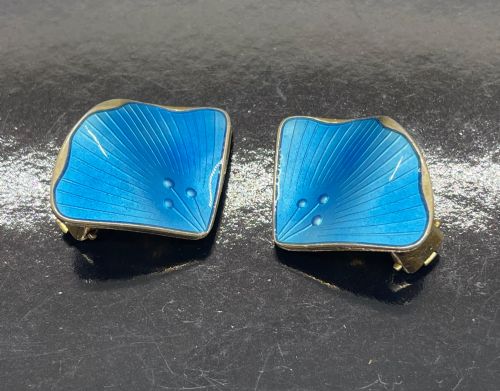
Silversmiths utilised sterling silver and solid silver, often applying a gold gilt finish known as vermeil to enhance the reflective quality of the metal. Enamel work takes the form of transparent guilloche patterns or opaque colour fields fused directly onto the silver base. Stainless steel appears alongside silver in utilitarian items, while zirconia provides stone accents in specific ring designs.
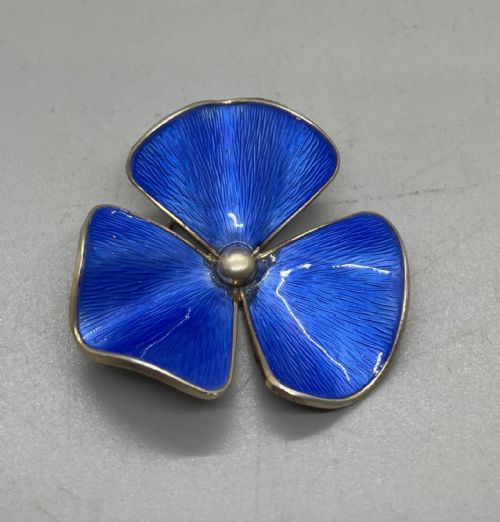
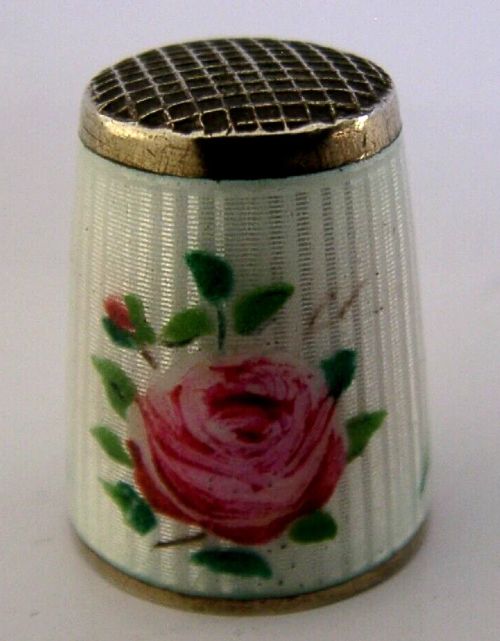
Techniques combine traditional hand-forging of structural silver with precise enamel firing. Artisans incised guilloche patterns beneath translucent coloured enamels to create depth in floral and butterfly subjects.
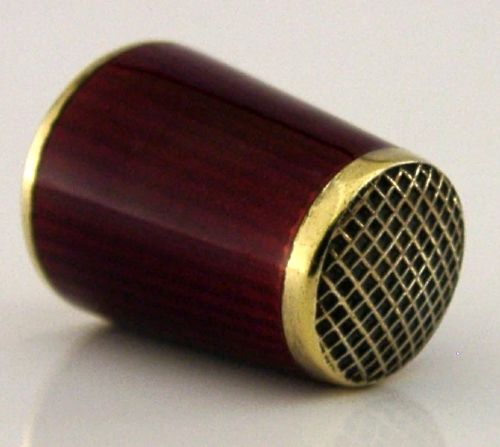
Tiny silver sewing thimbles decorated with red enamel prove that mid-century Scandinavian artisans brought artistry even to mending.
What Varies in Quality
Quality separates along the lines of design ambition and the execution of the enamel surface. Master silversmiths achieved cleaner junctions between metal settings and vitreous enamel, maintaining an even thickness across delicate petals and wings. Simpler stamped components contrast with individually worked silver elements possessing hand-finished details and crisp hallmarks.
The sophistication of the maker's artistic vision dictates the standing of each piece within the field. Signed works by prominent designers exhibit superior proportions and more complex surface treatments than anonymous workshop output.
Aksel Holmsen·David Andersen·Georg Jensen·Hroar Prydz·Randers Silver
The Scandinavian Mid Century Silver Glossary
- Sterling silver
- An alloy consisting of ninety-two point five percent silver by mass, with the remainder comprising copper or other metals. This standard provides the primary structural material for most Scandinavian mid century jewellery and holloware.
- Guilloche enamel
- A decorative technique where a precise mechanical pattern is engraved into the silver beneath a translucent enamel coating. This method produces shimmering wave or ray effects across brooches and pendants.
- Silver gilt
- Silver objects coated with a thin layer of gold on the exterior surfaces. The technique yields a warm golden tone while retaining a solid silver core.
- Vermeil
- High-quality sterling silver heavily plated with gold. It offers durability and a rich appearance common in mid-century Scandinavian earrings and decorative spoons.
- Vitreous enamel
- A material made by fusing powdered glass to a metallic substrate through firing at high temperatures. The resulting glossy surface provides vibrant red, blue, and green hues on silver ornaments.
Scandinavian Mid Century Silver: Frequently Asked Questions
What periods do these pieces date from?
The inventory spans the nineteen forties, nineteen fifties, and nineteen sixties, with some production extending past nineteen sixty. Mid-century modern aesthetics dominate this timeline across all Scandinavian workshops.
Design trends evolved from wartime simplicity into organic floral motifs and stark geometric modernist statements during the fifties and sixties.
How do I identify a maker's mark?
Maker marks and silver purity stamps generally appear on the reverse of brooches, the inside of rings, or the base of holloware. These tiny punches indicate the workshop or designer responsible for the piece.
Country designations such as Norway or Denmark often accompany the silver standard stamps on authentic mid-century items.
How should I care for enamel jewellery?
Vitreous enamel requires gentle handling to prevent scratching or chipping against hard surfaces. Clean the pieces using a soft cloth without abrasive metal polishes that could damage the glass surface.
Store silver and enamel items individually in soft pouches away from direct sunlight to preserve the vibrant colours of the guilloche work.
What is the difference between Danish and Norwegian designs?
Danish mid-century silver frequently emphasises sculptural metalwork, clean lines, and abstract geometric forms without extraneous ornament. Georg Jensen and Randers Silver typify this architectural approach to jewellery and holloware.
Norwegian workshops leaned heavily into colourful guilloche enamel, producing miniature butterflies, flowers, and decorative spoons with vibrant translucent coatings.