





Scandinavian Folk Art Wood
Scandinavian folk art wood brings domestic utility and agrarian character into a room through hand-carved boxes, painted pine cupboards and turned seating.
Scandinavian Folk Art Wood
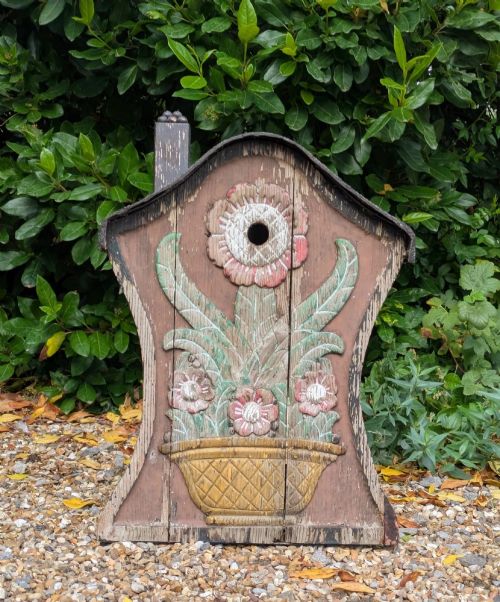
When you search for scandinavian folk art wood, you encounter functional domestic objects shaped by rural artisans across Sweden and Norway during the eighteenth, nineteenth and early twentieth centuries. The selection centres heavily on pine storage vessels, painted cupboards and small treen items designed for everyday rural life.
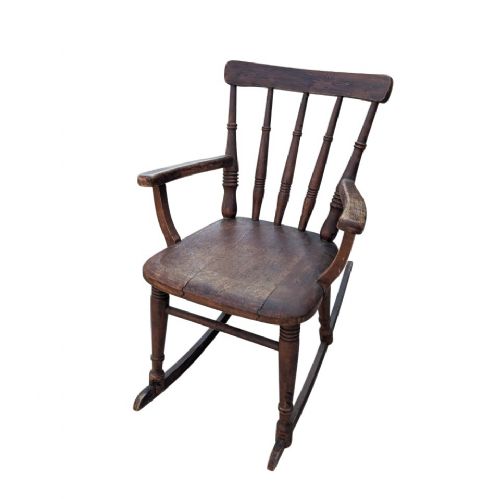
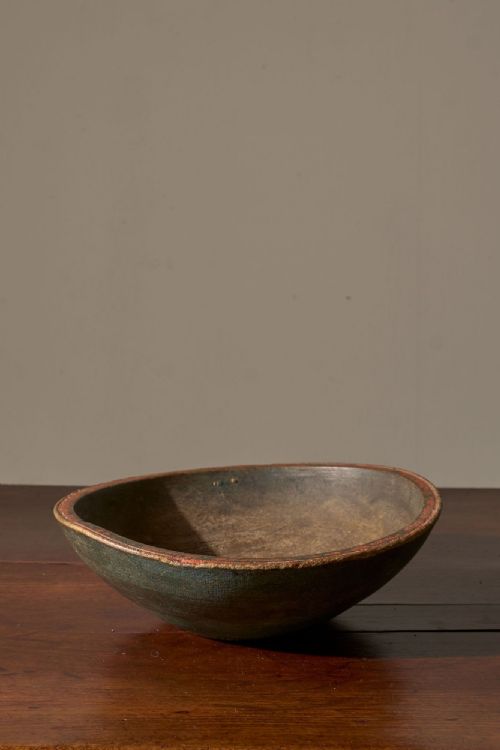
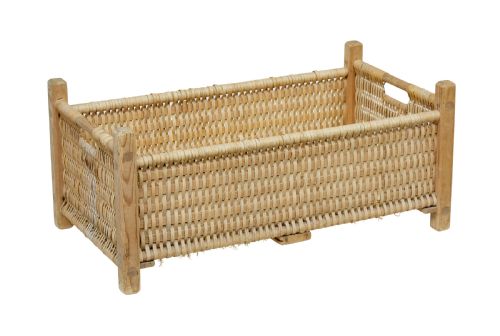
You meet painted marriage boxes, dairy bowls and woven pine baskets alongside utilitarian seating like bobbin armchairs and dugout chairs. Mangle boards and carved peg tankards also appear, representing traditional gift-giving and celebratory woodworking traditions.
The objects originate primarily from Swedish and Norwegian rural communities where local timber dictated the domestic inventory. These pieces range from simple unpainted bentwood boxes to richly decorated polychrome storage chests.
How they were made
Makers relied on locally sourced softwoods and hardwoods, predominantly pine, birch and beech, utilising hand tools to shape solid planks, roots and branches. Joinery methods included dovetailing for boxes, pegging for chairs and specialised turning for bowls and tankards.
Surfaces frequently received applications of milk paint or oil-based pigments in flat colours, sometimes distressed through age or enhanced with decorative brushwork. Pokerwork, intricate chip carving and relief work embellished mangle boards, spoons and tobacco boxes.
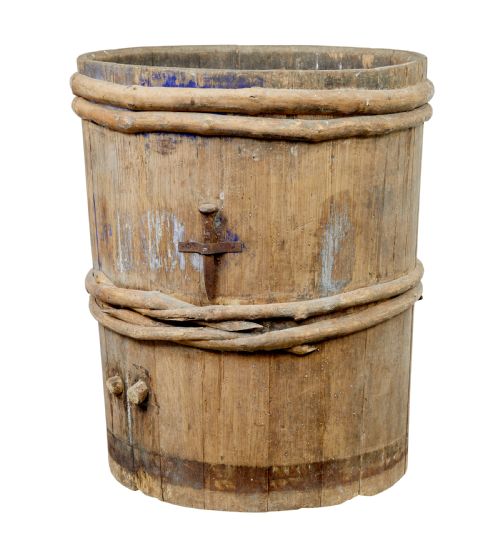
Weaving techniques converted split pine and roots into durable baskets and stands, while hollowed-out tree trunks yielded sturdy barrels and troughs. Metal components like wrought iron hinges and straps reinforced strong boxes and heavy cupboards.
Scandinavian Folk Art Wood Retail Price Guide 2026
Typical asking prices for scandinavian folk art wood among the pieces listed under this phrase on Sellingantiques today, from the lower quarter to the upper quarter. They describe what is for sale here now, not the wider market.
Listings feature eighteenth and nineteenth century pine, birch and wrought iron objects spanning Swedish and Norwegian folk traditions.
What varies in quality
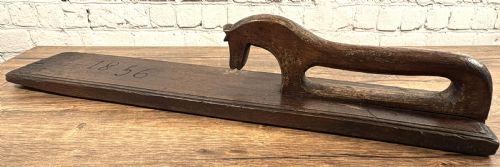
Quality rests in the confidence of the carving and the integrity of the original paint surface rather than pristine condition. An expressive horse head handle on a mangle board or a deeply carved lion on a peg tankard demonstrates superior artistic ambition from the maker.
The relationship between the structural form and the decorative scheme dictates visual success. Pieces retaining untouched layered paint schemes stand apart from those stripped down or heavily restored in later eras.
Proportion and scale distinguish utilitarian workshop output from exceptional regional pieces. A well-balanced bobbin armchair or a meticulously dovetailed marriage box exhibits refined rustic execution.
Gemla Fabrikers
The Scandinavian Folk Art Wood Glossary
- Mangle board
- A flat carved wooden board with a handle, used historically in Scandinavia with a rolling pin to smooth linen. These boards were frequently given as courtship tokens.
- Treen
- Small handmade wooden household objects such as bowls, platters and spoons. The term derives from old terminology meaning made of tree.
- Peg tankard
- A large drinking vessel featuring internal pegs spaced vertically to measure alcohol consumption during communal toasts. Surviving examples often display elaborate Scandinavian carving.
- Marriage box
- A decorated wooden chest or box presented to a couple on their wedding day. They commonly feature painted initials, dates and folk motifs.
- Bentwood
- Wood steamed and bent into curved shapes to form boxes and container rims. This technique utilises the natural flexibility of green timber.
- Gustavian
- The Swedish neoclassical style spanning the late eighteenth and early nineteenth centuries. It brings lighter painted finishes and restrained classical symmetry to rustic forms.
Scandinavian Folk Art Wood: Frequently Asked Questions
How were painted pine cupboards used?
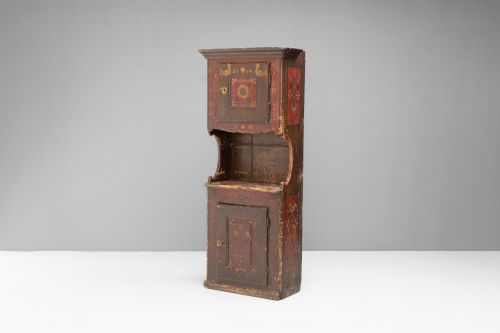
Rural households used these cupboards to store textiles, provisions and domestic tableware in the main living quarters. Their painted surfaces protected the soft pine while brightening dark interiors.
Over time, these utility pieces became central decorative fixtures in farmhouse kitchens and parlours, often displaying regional colour palettes.
What is a dairy bowl used for?
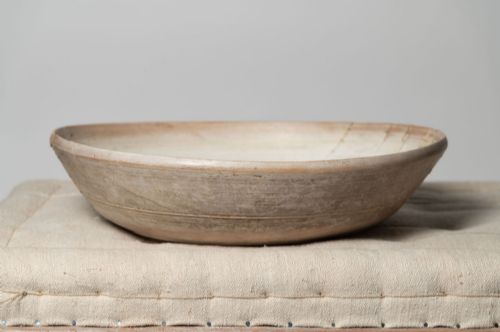
Dairy bowls served in traditional farm production to settle milk and separate cream from the liquid. The wide, open timber form allowed air exposure during churning preparation.
These turned wooden vessels accumulated rich patination through decades of scrubbing and exposure to dairy fats.
How do I care for antique pine?
Keep wooden objects away from direct heat sources and drastic humidity swings to prevent timber splitting. Maintain stable indoor climates to preserve dry historical paint surfaces.
Apply gentle beeswax sparingly only when unpainted wood appears dry, avoiding modern synthetic polishes entirely.
Are these items genuinely old?
The listings span the eighteenth through early twentieth centuries, anchored by regional construction methods and period materials. Tool marks, hand-forged iron elements and natural wear patterns confirm authenticity.
Many pieces carry specific century attributions, while occasional examples feature carved dates from their production era.