








Antique Wooden Mallet
An antique wooden mallet is a striking tool or ceremonial instrument of dense timber, prized for its honest craft and rich tactile weight.
Antique Wooden Mallet
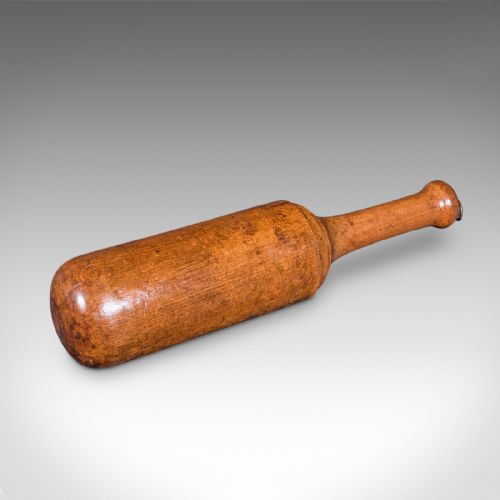
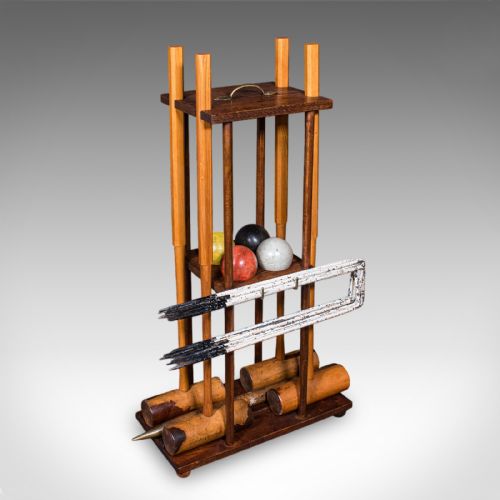
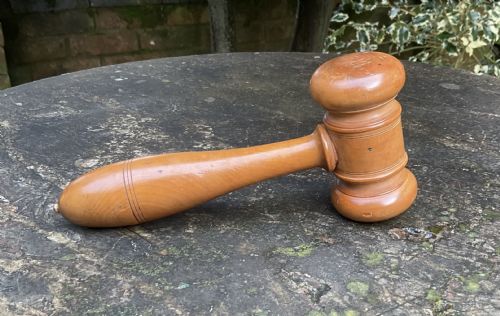
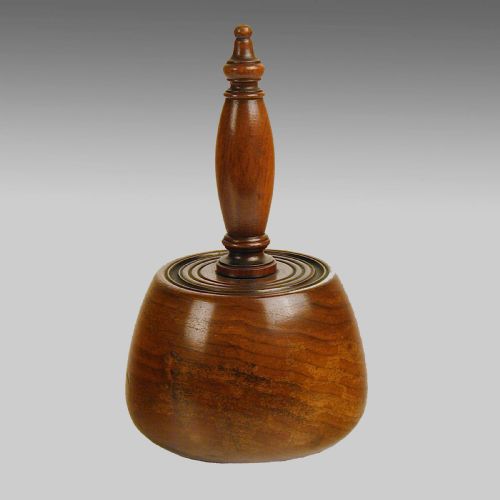
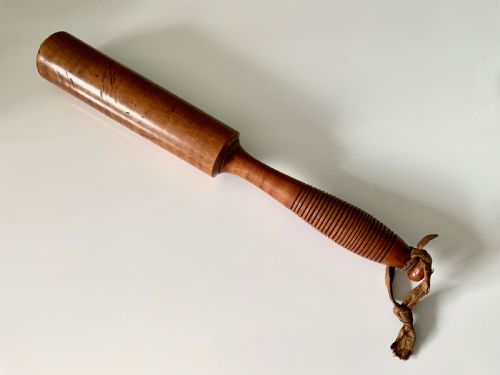
When you search for an antique wooden mallet, you encounter a surprisingly varied group of implements spanning utilitarian joinery, spirited lawn games, and formal presentations. The forms range from heavy carpentry tools to auctioneers gavels and specialised kitchenware.
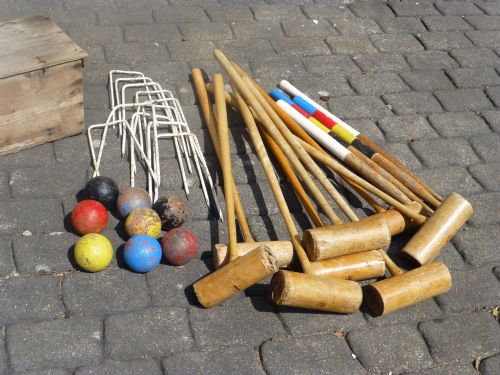
Victorian and Edwardian examples dominate the selection, bringing substantial character and deep patination from decades of service. These pieces frequently appear within fitted presentation boxes or as part of complete lawn games sets.
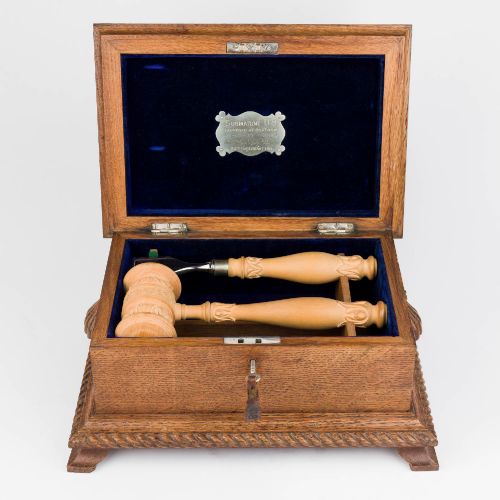
Utility merges with ceremony across several iterations, including ceremonial launching mallets, mason's mallets, and silver-mounted gavels. Each object reveals the specific trade or occasion for which it was fashioned.
Materials and construction
Maker's choice of timber prioritized resilience, utilising tough hardwoods such as boxwood, beech, fruitwood, satin birch, and lignum vitae to withstand repeated impacts without splitting.
Metal components like iron, brass, and steel occasionally reinforce heads or bindings, while secondary elements employ pine for fitted presentation boxes and storage cases.
Carving and turning shaped the dense grain into functional heads and comfortable handles, sometimes enhanced with inscriptions or detailed dragon carvings for presentation pieces.
Antique Wooden Mallet Retail Price Guide 2026
Typical asking prices for wooden mallet among the pieces listed under this phrase on Sellingantiques today, from the lower quarter to the upper quarter. They describe what is for sale here now, not the wider market.
Assessing quality and character
Quality rests upon the selection of timber and the integrity of the turning, where tight grain and dense hardwoods denote a superior working tool or presentation object. Plain utility pieces contrast with finely carved ceremonial hammers.
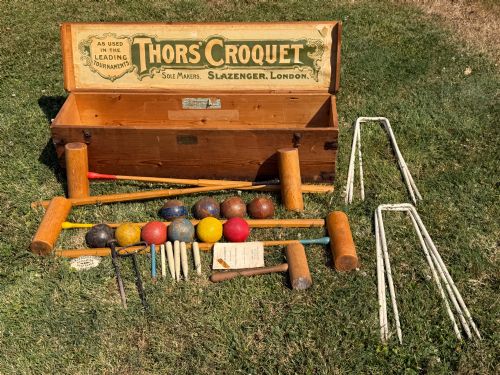
Completeness dictates value in cased sets, where original pine boxes, full complements of balls and wickets for croquet, or accompanying chisels elevate the historical context.
Patination and wear tell the story of use, distinguishing heavily battered workshop survivors from well-preserved drawing room gavels and presentation caskets.
Hugh Brown·Slazenger·A.W.Gamage·F.H.Ayres Ltd
The Antique Wooden Mallet Glossary
- Treen
- Small wooden domestic objects made by turning or woodworking. These items often display deep patination from daily handling.
- Lignum vitae
- An extremely dense and heavy tropical hardwood. This timber was frequently selected for carpentry mallets and heavy impact tools.
- Gavel
- A small ceremonial mallet used by a presiding officer or auctioneer. They are typically tapped against a block to command attention.
- Fleam mallet
- A specialised veterinary tool used historically for striking a fleam during bloodletting. These feature compact heads designed for precise medical work.
- Boxwood
- A pale, fine-grained hardwood favored for detailed turned objects and gavels. Its tight structure allows for crisp decorative carving.
Antique Wooden Mallet: Frequently Asked Questions
What is an antique wooden mallet used for?
These implements served diverse roles ranging from heavy carpentry and veterinary work to conducting auctions and presiding over meetings. Many others formed part of traditional lawn games played during the Victorian and Edwardian eras.
Today, they function primarily as decorative desk accessories, conversation pieces, or functional tools for modern woodworkers who appreciate traditional heft.
How do I date an antique wooden mallet?
Dating relies on timber selection, tool marks, and style indicators such as turned handle profiles typical of the nineteenth or early twentieth century. Fitted boxes and accompanying manufacturer labels also provide clear chronological markers.
Inscribed presentation pieces and silver mounts often bear specific dates or historical contexts that narrow their origins to a precise year.
Are cased lawn games sets complete?
Many surviving sets retain their original fitted pine boxes alongside period mallets, balls, and related equipment from makers like Slazenger or F.H.Ayres. Examining the interior fittings helps determine if the components share a common history.
Checking the specific contents against period configurations ensures you understand the completeness of the surviving ensemble.
What woods are typical for these mallets?
Makers relied on dense hardwoods capable of absorbing heavy shocks without splintering. Beech, boxwood, fruitwood, and exceptionally heavy lignum vitae appear frequently across workshop and ceremonial examples.
Secondary softwoods like pine were reserved for storage boxes and presentation cases rather than the striking heads themselves.