



Scandinavian Flatware
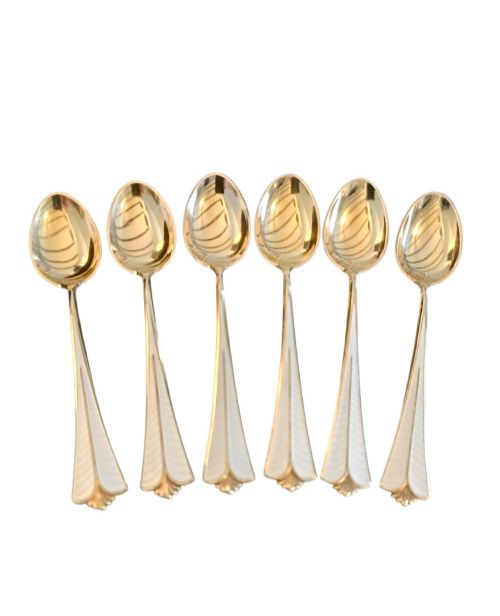
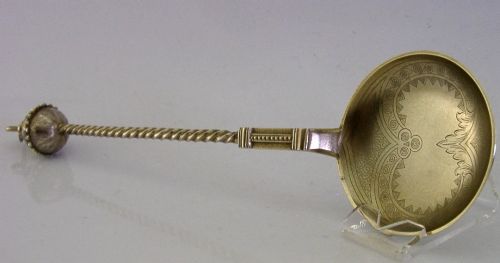
Scandinavian flatware brings functional elegance to the table, spanning heavy silver serving spoons from nineteen hundred and enamelled coffee sets.
Scandinavian Flatware
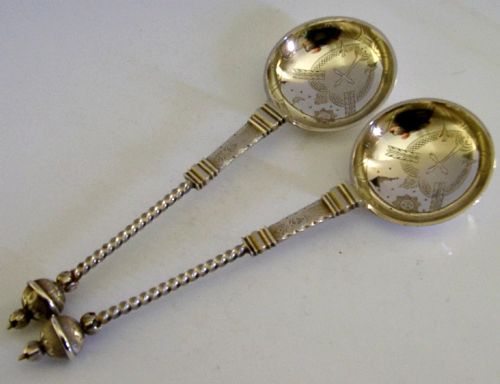
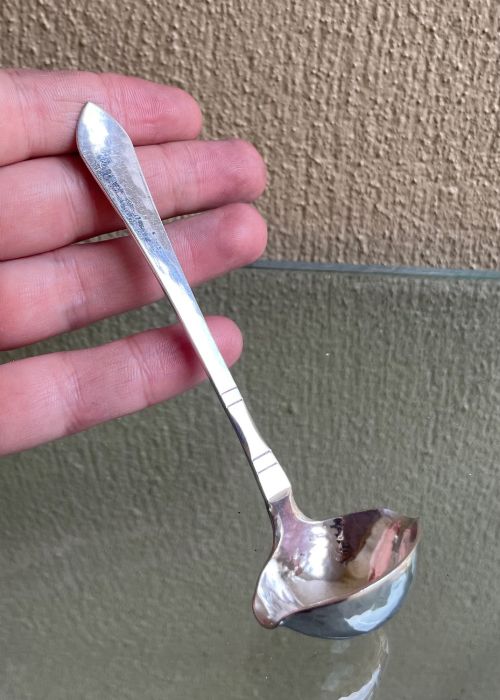
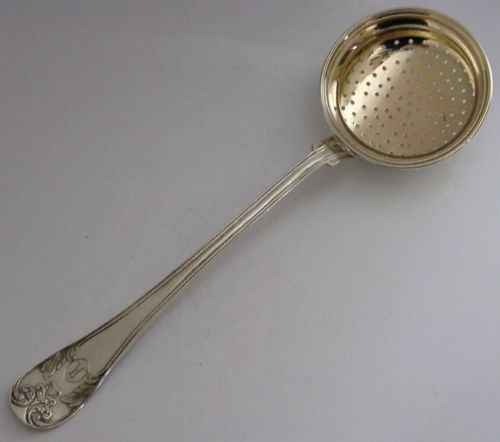
When you search for scandinavian flatware, you encounter a range of eating and serving implements originating from northern European countries across several centuries. The pieces available here include serving spoons, coffee spoons, ladles, sugar sifters, caddy spoons, teaspoons, and cocktail or pickle forks, alongside rustic pine cutlery boxes.
The selection leans heavily towards the twentieth century, specifically representing periods such as nineteen hundred, nineteen twenty, nineteen thirty, nineteen fifty, and nineteen sixty, alongside nineteenth-century rustic utility items. Makers and origins span Norway, Denmark, and Sweden, showing diverse aesthetic movements from traditional craftsmanship to modern design.
Stylistically, these utensils cross multiple distinct design eras, including Art Nouveau, Swedish Art Nouveau, Art Deco, Edwardian, Danish Modern, Mid-Century Modern, Scandinavian Revival, and Scandinavian Country. Buyers will find everything from heavy enamelled gilt sets to simple silver teaspoons and specialised baptism or serving pieces.
Assessing Quality and Execution
Quality in these pieces rests upon the weight of the metal and the precision of the silversmith's hand. Heavier pieces, such as substantial serving spoons and sugar sifters weighing over one hundred grams, demonstrate a generous use of solid silver that elevates their substance.
On decorated pieces, the quality of the enamel work and the crispness of gilt applications distinguish standard production from finer examples. Maker attribution also plays a role, with established workshops demonstrating superior finishing and refined proportions.
Scandinavian Flatware Retail Price Guide 2026
Typical asking prices for scandinavian flatware among the pieces listed under this phrase on Sellingantiques today, from the lower quarter to the upper quarter. They describe what is for sale here now, not the wider market.
One specialised piece includes a vintage pickle fork complete with its original presentation box.
Marius Hammer·David Andersen·Georg Jensen·Evald Nielsen
The Scandinavian Flatware Glossary
- Sterling silver
- A silver alloy containing ninety-two point five percent pure silver by mass, ensuring durability while maintaining a bright metallic appearance. This standard is frequently utilised in twentieth-century Scandinavian tableware.
- Silver gilt
- Silver that has been coated with a thin layer of gold on its surface, combining the structural strength of silver with the rich warm tone of gold. It appears often on baptism spoons and festive tableware.
- Enamel
- A glassy substance fused to the surface of metal through firing, creating vibrant decorative colours. In Scandinavian pieces, this technique frequently enhances coffee spoons and commemorative items.
- Sugar sifter
- A specialised spoon with a perforated bowl designed for dusting loose sugar over food or beverages. These large spoons often feature decorative pierced patterns.
- Caddy spoon
- A short-handled spoon specifically proportioned for measuring loose tea leaves from a caddy. They represent a distinct collecting category within antique flatware.
Scandinavian Flatware: Frequently Asked Questions
What defines scandinavian flatware?
These items encompass eating and serving utensils produced in northern Europe, featuring distinct regional styles from traditional rustic forms to sleek modern designs.
Silver is the dominant medium, often enhanced with enamel or gold gilt across various historical periods.
How do I date these pieces?
Dating relies on stylistic markers, hallmarking traditions, and known production eras ranging from the nineteenth century through the mid-twentieth century.
Movements like Art Nouveau, Art Deco, and Mid-Century Modern provide clear chronological brackets for specific designs.
Were these items used daily?
Many objects served functional roles in daily household dining, while others were created for specific occasions such as baptisms or Christmas traditions.
Specialised items like sugar sifters and caddy spoons fulfilled distinct domestic tasks in the kitchen and dining room.
How should I care for silver flatware?
Silver and silver-gilt items benefit from gentle cleaning with appropriate silver care products to preserve the metal surface and any applied gilt.
Enamelled pieces require particular care to avoid harsh abrasives that could damage the fused glass surface.