



Scandinavian Enamelled Brooch
These vibrant scandinavian enamelled brooch designs combine precious metals with colourful vitreous glass, offering collectors striking mid-century and earlier craftsmanship.
Scandinavian Enamelled Brooch
A scandinavian enamelled brooch is a wearable ornament typically formed from sterling silver or silver gilt, decorated with colourful vitreous coatings. The pieces collected under this search phrase span multiple decades, incorporating earlier Victorian and Art Deco examples alongside mid-century modern designs.
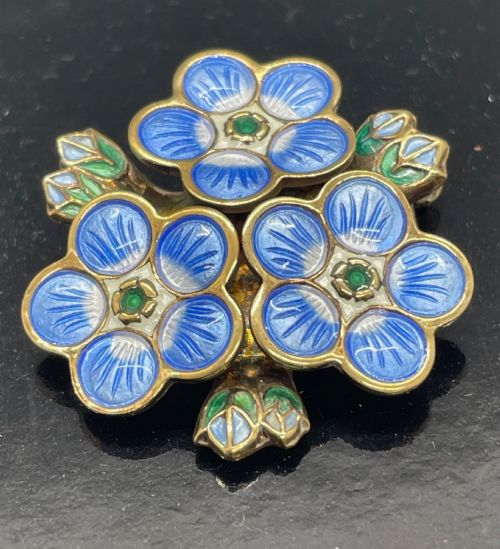
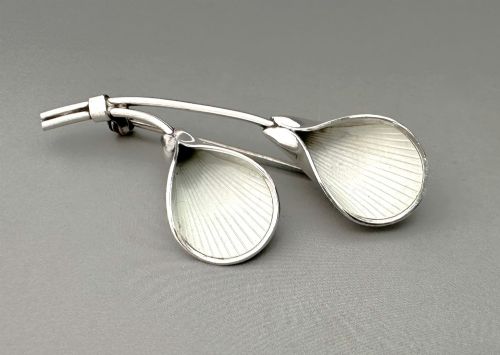
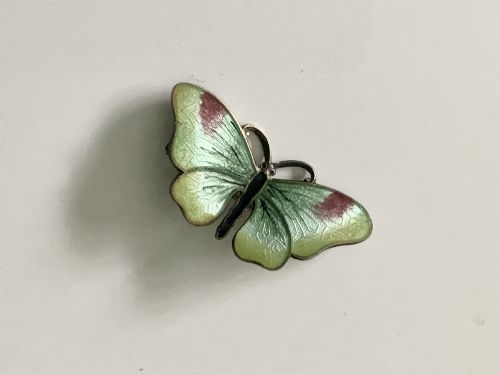
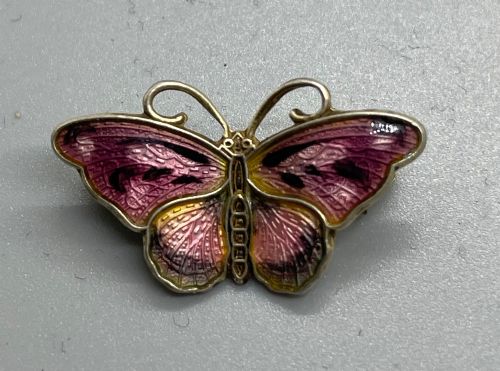
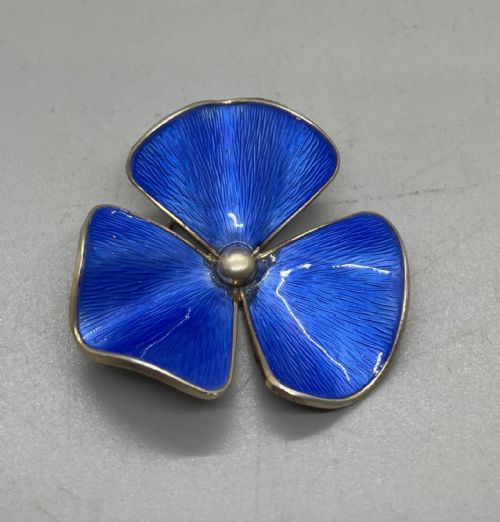
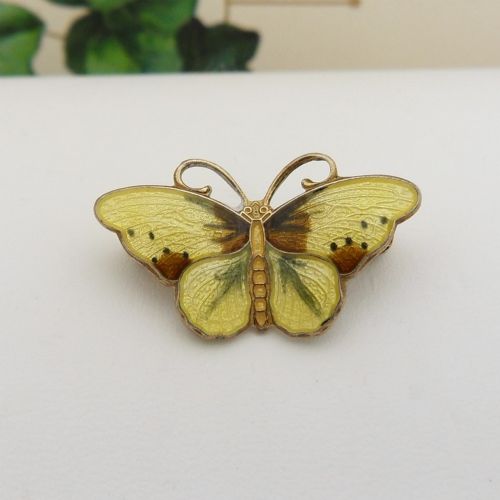
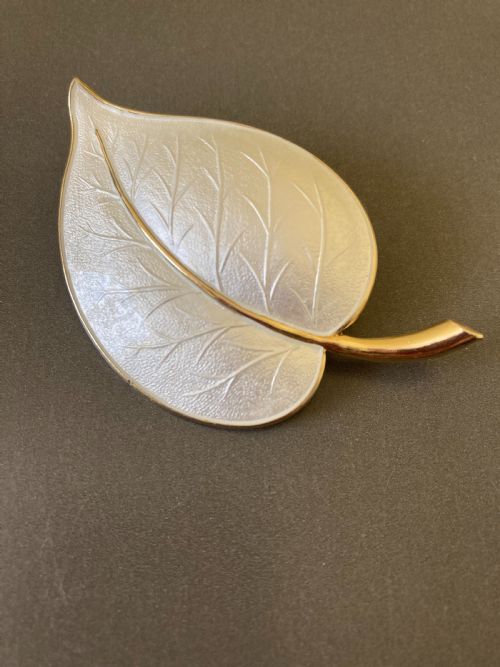
Buyers will most frequently encounter mid-century Norwegian creations on this page, particularly floral motifs and stylised butterflies rendered in bright translucent red or multicoloured enamel. These works reflect the broader Scandinavian design movement that prioritised clean metallic lines and rich surface colour.
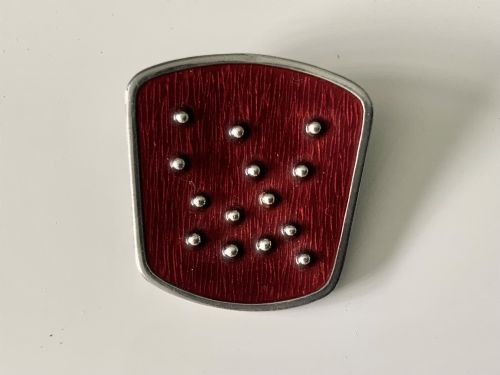
Beyond botanical and insect forms, the selection encompasses geometric bar brooches and figurative subjects such as Viking ships and royal crowns. Such variety demonstrates the regional scope of silversmithing traditions across Scandinavian workshops during the twentieth century.
How they were made
Silversmiths constructed the base structures of a scandinavian enamelled brooch using sterling silver, frequently applying a gold gilt or vermeil layer over the metal surface to enhance the visual warmth of the design. Guilloche techniques were frequently employed on the metal beneath the glass, engraving precise geometric patterns that show through translucent enamel layers.
Vitreous enamel was applied by fusing powdered glass to the metal base at high temperatures, creating a durable and glossy coloured surface. This process required careful temperature control to bond the glass securely to the silver while preserving the fine metallic details of the underlying engraving.
Norwegian workshops turned winged insects into wearable art, proving that even a tiny silver butterfly deserved a glossy coat of red glass.
What varies in quality
The sophistication of the underlying metalwork and the precision of the enamel application distinguish finer examples from simpler production pieces. Deeply engraved guilloche patterns create intricate light effects beneath translucent glass that shallower machine stampings simply cannot match.
The condition and clarity of the vitreous surface dictate the visual success of the piece, with superior items maintaining smooth, unblemished glass and well-preserved gilt finishes. Well-executed pieces display a seamless integration between the precious metal settings and the coloured enamel panels.
David Andersen·Aksel Holmsen·Hroar Prydz·Gustav Gaudernack
The Scandinavian Enamelled Brooch Glossary
- Guilloche
- A decorative engraving technique that etches precise repeating geometric patterns into metal. This worked surface is then covered with transparent enamel to reveal the pattern beneath.
- Vitreous Enamel
- A material made by fusing powdered glass to a substrate by firing, usually between seven hundred and nine hundred degrees Celsius. The resulting compound is a durable and smooth glass coating.
- Silver Gilt
- Silver that has been coated with a thin layer of gold on its exterior surface. This technique provides the warm appearance of solid gold while utilising a silver base.
- Sterling Silver
- An alloy of silver containing ninety-two point five percent by mass of silver and seven point five percent by mass of other metals, usually copper. It serves as the primary structural metal for these pieces.
Scandinavian Enamelled Brooch: Frequently Asked Questions
How are these brooches dated?
Dating relies on stylistic markers, maker marks, and the specific metal and enamel combinations typical of different decades. Mid-century pieces often feature minimalist or naturalistic motifs, whereas earlier examples show distinct Art Deco or Victorian influences.
Examining the clasp type and the presence of maker stamps helps narrow down the production period. Design trends shifted from ornate figurative subjects towards stylised geometric and organic shapes as the twentieth century progressed.
What metals are used underneath the enamel?
Most pieces utilise sterling silver as the primary structural metal, frequently enhanced with a gold gilt or vermeil finish. This combination provides a durable foundation that supports the glass enamelling.
The gold wash adds warmth to the appearance of the piece, complementing the translucent colours of the vitreous coating. Hallmarks stamped into the metal often confirm the silver standard and the workshop of origin.
How should I wear a vintage brooch?
These pieces suit heavier fabrics such as wool coats, knitted jumpers, or tailored jacket lapels that can adequately support the weight of the silver and enamel. Pinning the item securely through multiple threads prevents sagging during wear.
They also function effectively when fastened to scarves, hats, or bags as a distinct accent piece. Care should be taken to avoid placing them on delicate silks where the pin might leave a permanent mark.
Why are butterfly and floral motifs so common?
Nature-inspired designs dominated Scandinavian mid-century silver workshops due to a regional appreciation for organic forms and flora. Butterflies and flowers offered silversmiths ideal shapes for vibrant enamel colorways.
The translucent nature of the glass allowed makers to replicate the delicate shading found in butterfly wings and flower petals. These popular motifs appealed strongly to international buyers seeking cheerful, accessible modern design.