




Scandinavian Country Folk Art
Scandinavian country folk art brings honest utility and quiet rural character into a room through surviving pieces shaped by hands long gone.
Scandinavian Country Folk Art
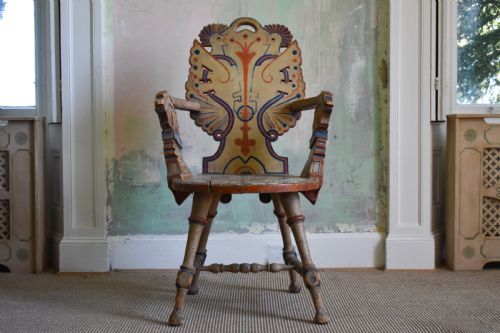
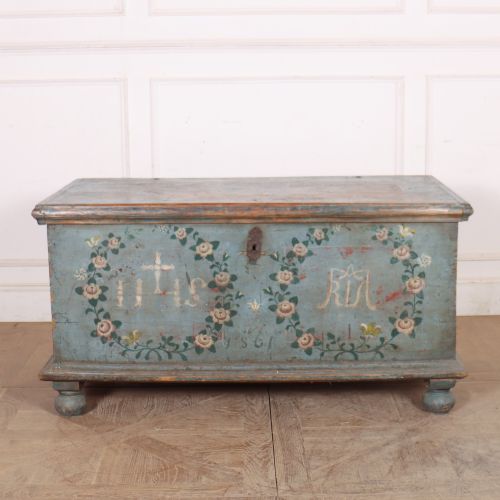
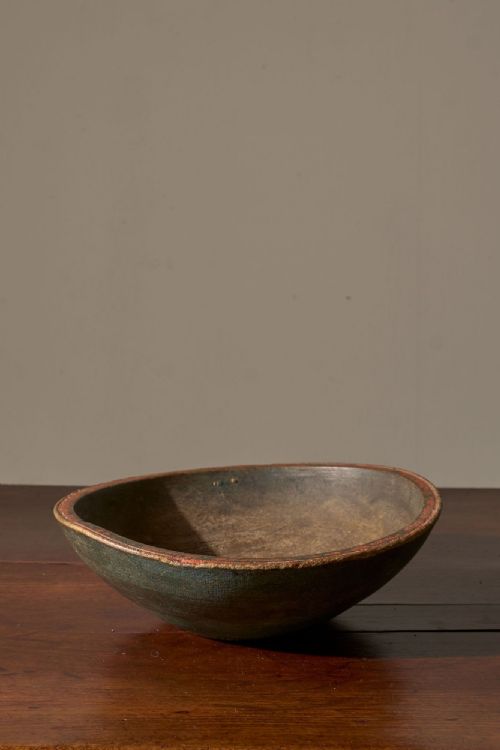
Scandinavian country folk art comprises practical domestic items created for everyday rural life across Sweden and the wider Scandinavian region. Pieces range from large storage cupboards and marriage chests to smaller items like bowls, boxes, and armchairs.
The objects seen here date predominantly from the eighteenth and nineteenth centuries, reflecting the domestic needs of rural households before industrial manufacture took hold. Items such as painted pine benches, side tables, and strong boxes dominate the selection.
Many survivors carry original painted surfaces that distinguish them from later reproductions or stripped items. Buyers encounter regional variants including Gustavian pieces alongside unpretentious rustic furniture.
How they were made
Makers relied primarily on native softwoods such as pine and birch, shaping boards with hand tools and simple joinery methods suited to farm workshops. Iron, brass, and wrought hardware fastened lids, doors, and drop leaves.
Surfaces were frequently finished with hand-mixed oil or milk paints, sometimes applied over simulated wood grain or layered to create patinated textures. Ragwork techniques and hand-woven wood splint added decorative and structural strength to baskets and chests.
Scandinavian Country Folk Art Retail Price Guide 2026
Typical asking prices for scandinavian country folk art among the pieces listed under this phrase on Sellingantiques today, from the lower quarter to the upper quarter. They describe what is for sale here now, not the wider market.
The listings span the eighteenth and nineteenth centuries, featuring pine, birch, and oak shaped into storage barrels, drop leaf tables, and cradles.
What varies in quality
The survival of original surface decoration dictates much of the distinction between ordinary utility items and exceptional examples. Original paint retaining its early character holds greater visual strength than later overpainting or stripped timber.
Proportion and construction depth separate simple provincial work from pieces showing considered regional design. The integration of traditional hand-carved details or early forged ironwork elevates the presence of a box, bench, or cupboard.
Gemla Fabrikers
The Scandinavian Country Folk Art Glossary
- Gustavian
- The Swedish interpretation of neoclassical style, named after King Gustav III. It is characterised by restrained carved detail and lighter painted palettes.
- Marriage chest
- A specific trunk or coffer commissioned to mark a wedding, often inscribed with dates and initials. These pieces frequently feature distinctive folk art painting.
- Ragwork
- A decorative paint technique using rags or cloths to apply colour or texture. This method created patterned finishes on cupboards and folding tables.
- Dug out
- A form of chair or vessel carved directly from a single solid log. This technique represents an ancient woodworking method requiring substantial physical labour.
- Strong box
- A heavily reinforced storage box fitted with iron bands and secure locks. These were built to safeguard family documents and valuables.
Scandinavian Country Folk Art: Frequently Asked Questions
What is Scandinavian country folk art?
Scandinavian country folk art comprises practical wooden items made for rural homes in Sweden and neighbouring regions during the eighteenth and nineteenth centuries.
These pieces include cupboards, benches, bowls, and chests created by local craftspeople using native timber and traditional hand tools.
How do I identify original paint?
Original paint shows natural wear, craquelure, and subtle tonal variations that accumulate through decades of domestic use and cleaning. Later overpainting often appears flat, uniform, or masks the underlying wood texture completely.
Examining edges and protected corners reveals early layers beneath surface grime.
Where were these pieces used?
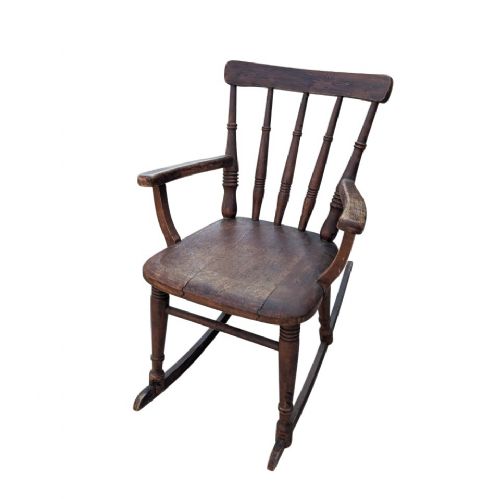
Items such as wall cupboards, rocking chairs, and side tables served practical functions in farmhouses, cottages, and rural dwellings across Scandinavia. Strong boxes held documents, while chests stored textiles and bedding.
Every object was built to solve a specific household storage or seating requirement.
How do I care for painted pine?
Painted pine benefits from stable indoor humidity away from direct sunlight and strong heat sources that can dry out old wood and crack fragile paint layers. Dusting with a dry cloth is sufficient for routine maintenance.
Avoid chemical cleaners or abrasive polishes that might strip the historic surface.