






Scalloped Serving Platter
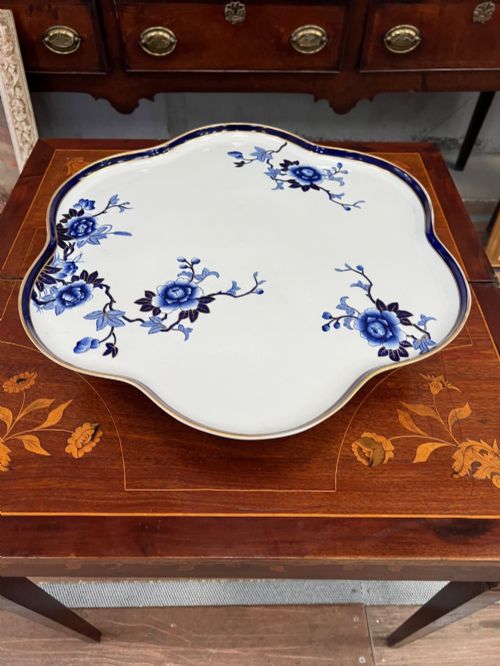
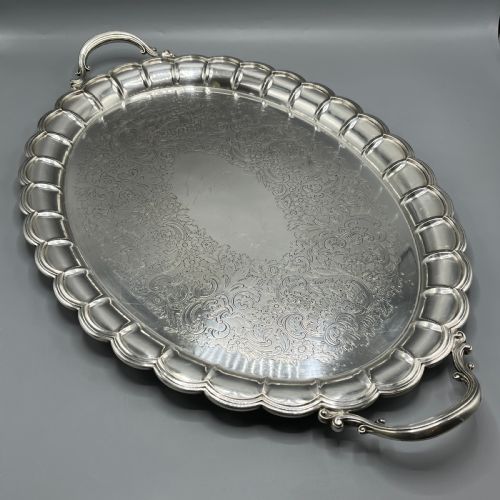
A scalloped serving platter brings a shaped, decorative edge to the table, and these pieces range from porcelain dishes to silver plated trays.
Scalloped Serving Platter
When you search for a scalloped serving platter, you are looking at items designed for presentation and dining across several centuries. These pieces appear in forms such as serving trays, decorative dishes, chargers, and meat platters.
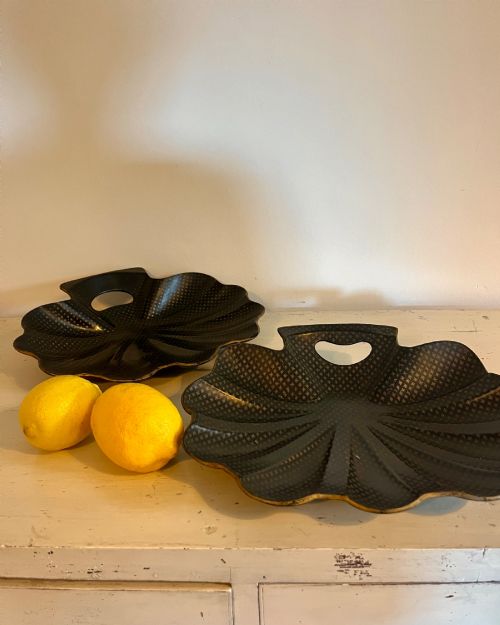
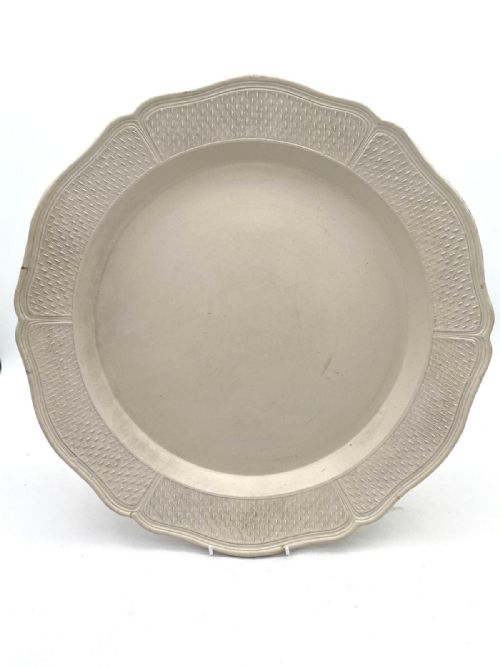
The selection includes porcelain and ceramic examples from the eighteenth and nineteenth centuries, alongside silver plated and metal trays from the Victorian, Edwardian, and Art Deco periods. Wooden, papier-mache, and glass pieces also feature among the items.
Buyers are most likely to encounter nineteenth century ceramic platters and silver plated trays with shaped rims. These items bridge formal dining traditions with decorative display.
How they were made
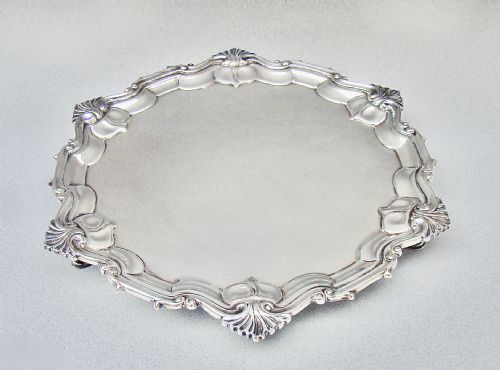
Ceramic and porcelain platters were shaped from clay, glazed, and hand painted or transfer printed with floral and scenic designs before firing. Silver plated trays utilised base metals coated with a layer of silver, often combined with engraved details or mirrored glass inserts.
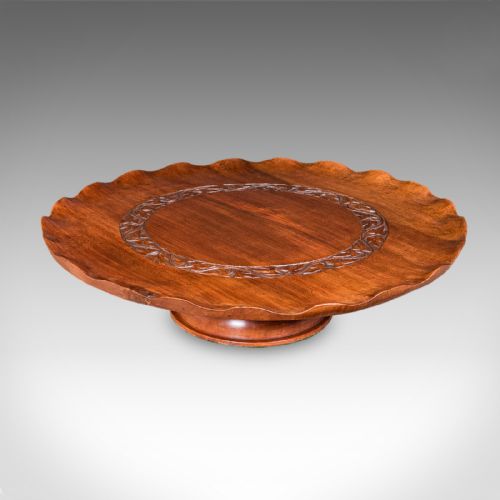
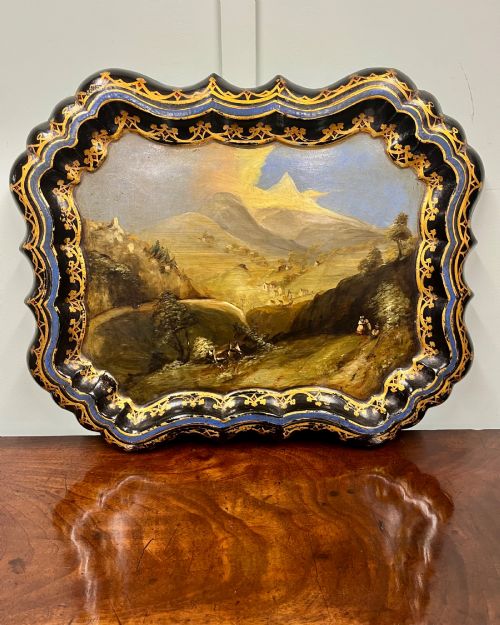
Papier-mache items were constructed from layers of paper pulp mixed with glue and resin, then pressed, dried, and finished with lacquer, gilding, or painted hunting scenes. Wooden trays relied on carved or veneered hardwoods such as mahogany and walnut.
Scalloped Serving Platter Retail Price Guide 2026
Typical asking prices for scalloped serving platter among the pieces listed under this phrase on Sellingantiques today, from the lower quarter to the upper quarter. They describe what is for sale here now, not the wider market.
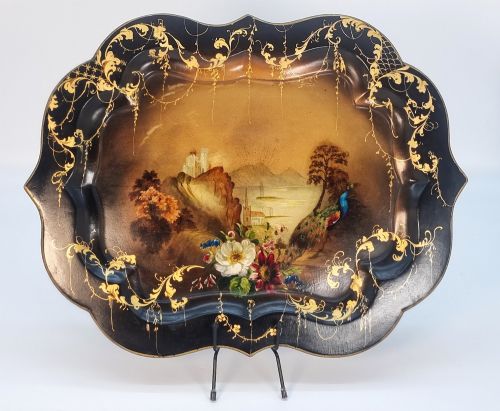
A nineteenth century papier-mache tray depicts a lively hunting scene, ready to carry your tea after a brisk run across the fields.
What varies in quality
The standard of execution in hand painting, engraving, and surface finish separates standard items from exceptional pieces. Crisp detailing in ceramic transfers, precise silver plating, and careful preservation of lacquer or gilding indicate superior workmanship.
The weight of the metal or density of the ceramic body, alongside the integrity of maker marks and stamps, reflects the original manufacturing tier. Pieces retaining their original mirrors, handles, or fitted elements command greater interest.
William Hutton & Sons·James Dixon & Sons·Tiffany & Co·Walker & Hall·Jennens and Bettridge
The Scalloped Serving Platter Glossary
- Charger
- A large decorative plate or platter used traditionally for service or beneath smaller course dishes. These pieces often feature bold hand-painted motifs or textured edges.
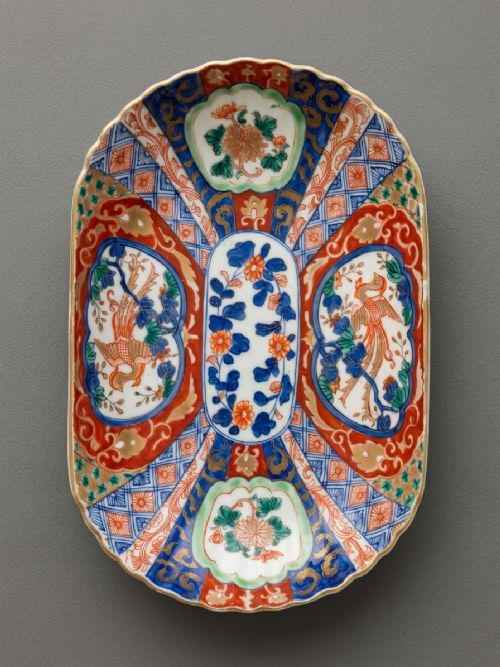
- Imari
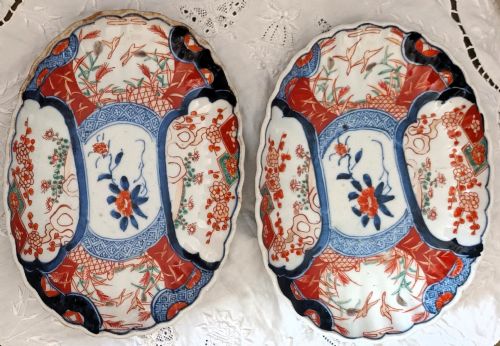
- A style of Japanese porcelain characterised by underglaze blue and overglaze iron red, gold, and secondary colours. These wares were widely exported to Europe.
- Salver
- A flat metal tray, typically silver or silver plated, used for serving drinks or presenting items. They frequently stand on small feet or feature raised shaped borders.
- Ironstone
- A type of heavy, durable earthenware patented in the nineteenth century to rival true porcelain. It is commonly found in large meat platters and white or blue-and-white tableware.
- Papier-mache
- A composite material made of paper paper-pulp or layers of paper bound with glue, moulded into trays, and hardened. It provides a smooth base for dark lacquer and painted decoration.
Scalloped Serving Platter: Frequently Asked Questions
How do I date a silver plated platter?
Dating relies on maker marks, style periods such as Art Deco or Victorian, and manufacturing techniques. Plated wares often display stamps specific to firms operating in the nineteenth and early twentieth centuries.
Examination of the wear patterns and edge styling also helps place the piece within a specific era like the Edwardian period.
Can I use antique ceramic platters for food?
Many antique ceramic and ironstone platters remain suitable for serving food today. Care should be taken with pieces showing hairline cracks or fragile overglaze decoration.
Hand washing is essential to preserve the nineteenth century glazes and painted elements on these wares.
What is the difference between a platter and a charger?
A platter is primarily shaped for presenting and serving meats, canapes, or side dishes at the table. A charger is generally larger and functions as a decorative base plate under other dishes.
Both forms utilise scalloped edges in various ceramic and metal traditions.
How should I clean a papier-mache tray?
Papier-mache requires gentle dusting with a soft, dry cloth to protect the delicate lacquer surface. Moisture and harsh cleaning agents must be avoided entirely to prevent lifting the painted scenes.
Keeping these trays out of direct sunlight preserves the original nineteenth century pigments and gilding.