
Sapphire Gemstone Ring
A sapphire gemstone ring brings together deep blue or pink corundum and brilliant diamonds in gold, platinum, or silver settings across Victorian, Edwardian, and Art Deco periods.
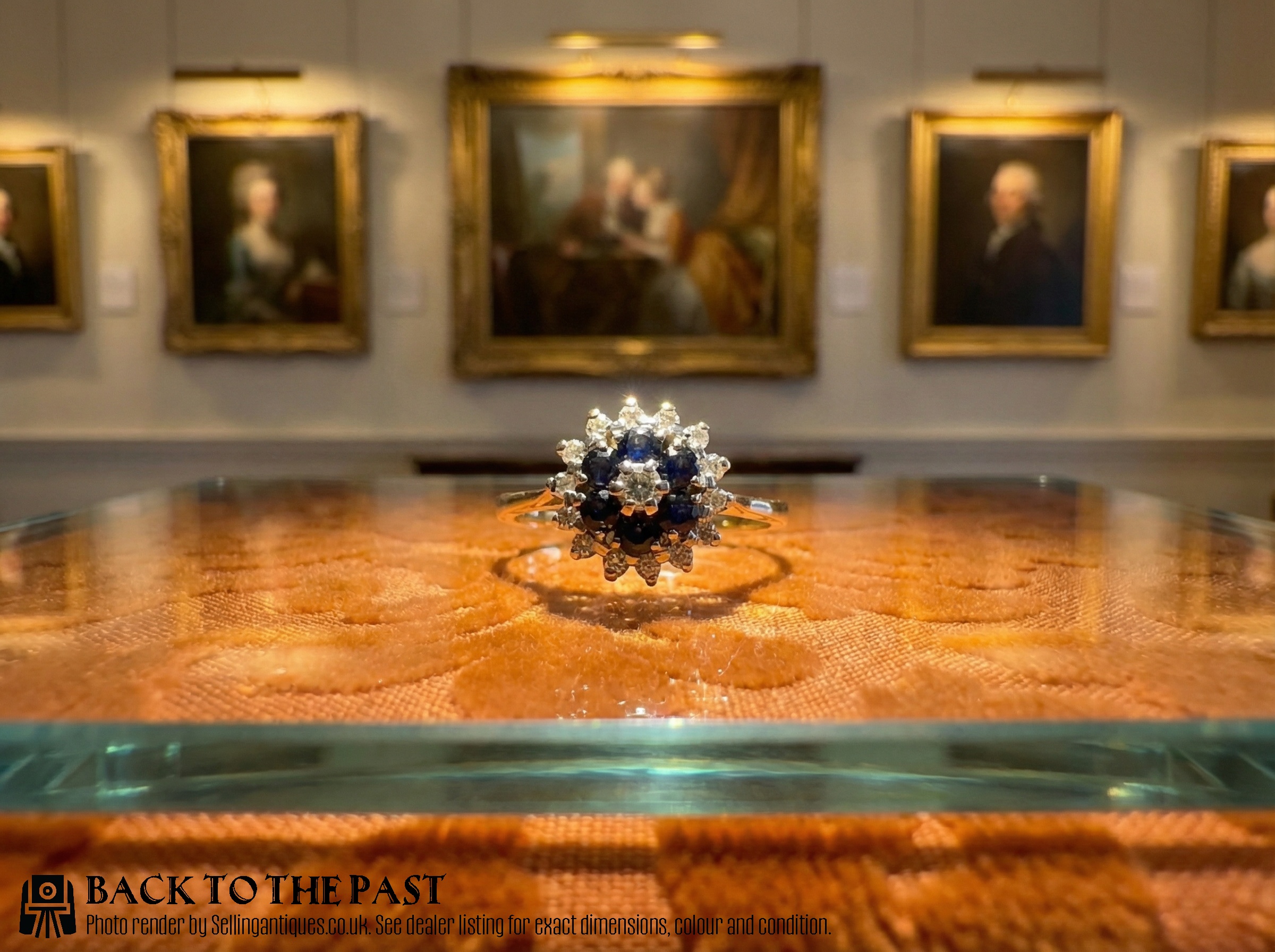
Sapphire Gemstone Ring
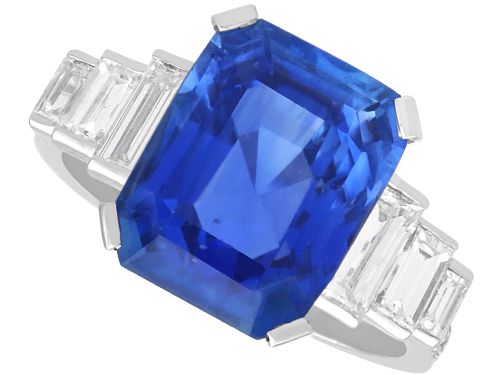
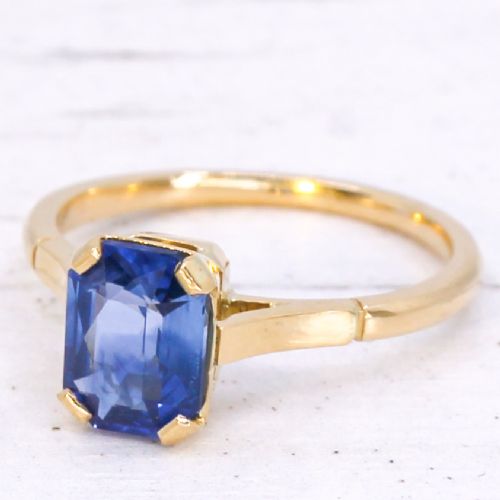
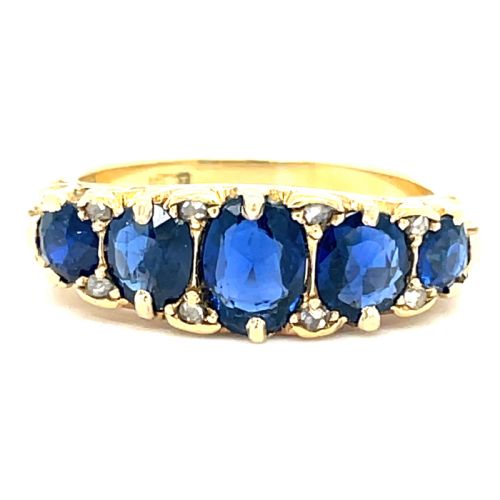
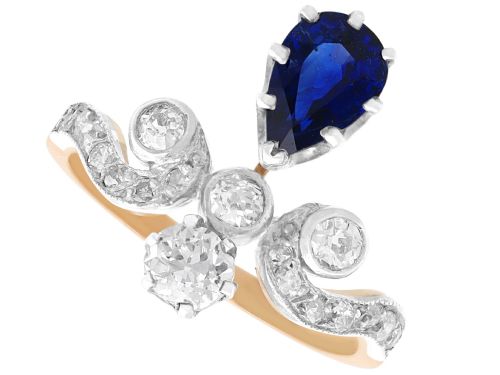
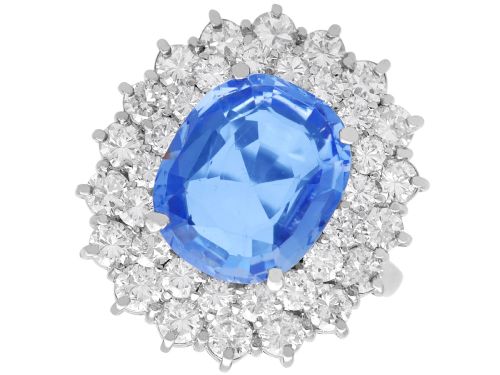
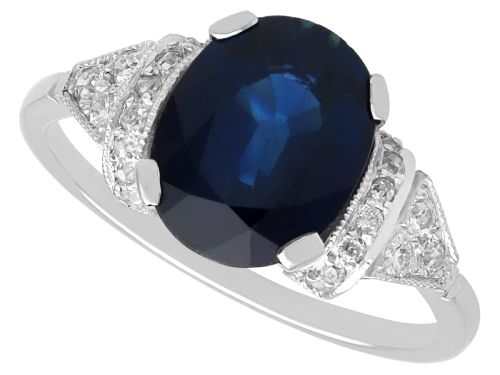
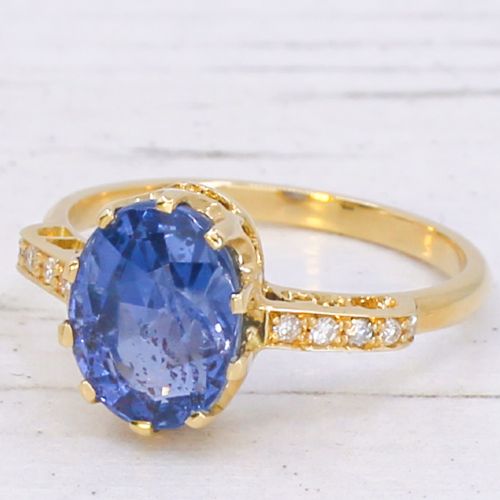
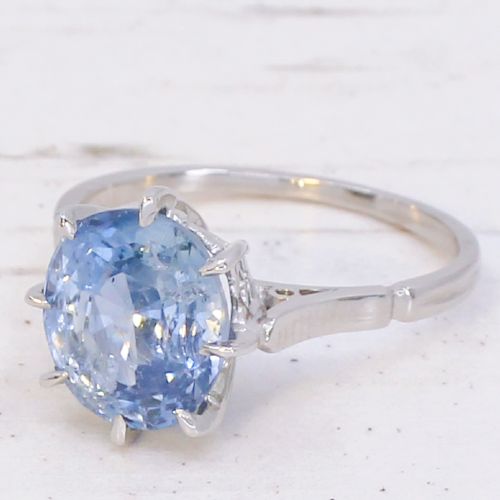
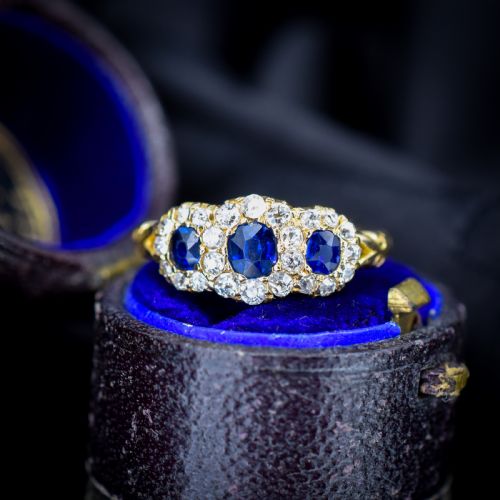
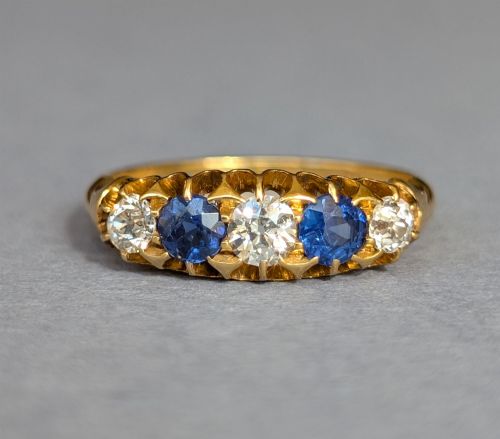
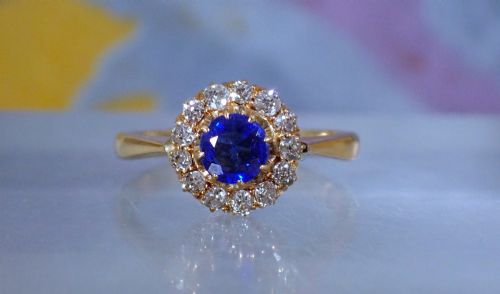
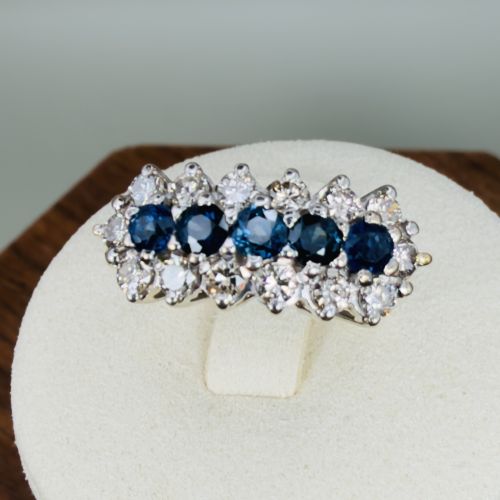
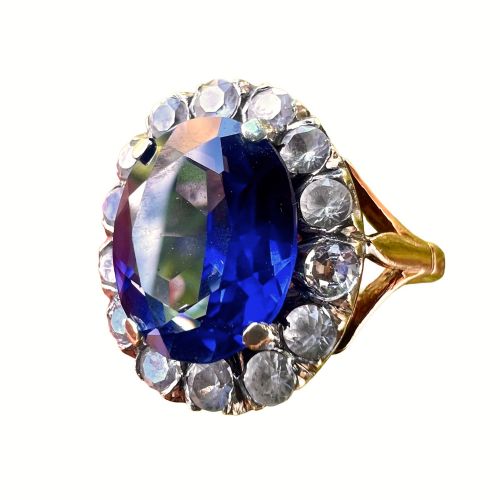
A sapphire gemstone ring is a finger ornament centred on a corundum crystal, frequently accompanied by supporting diamonds in cluster, daisy, or solitaire arrangements. These pieces span Victorian, Edwardian, Art Deco, and mid-century eras, reflecting changing tastes in metalwork and gem-cutting.
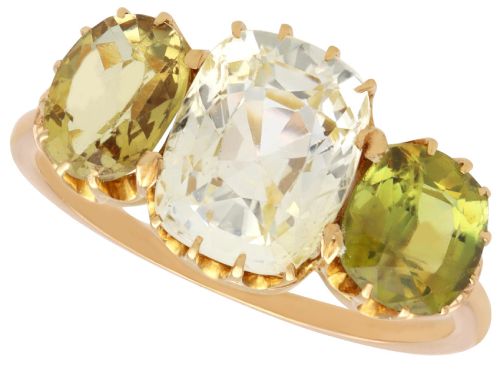
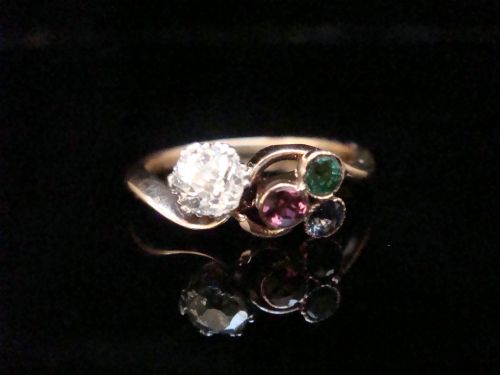
The most frequent examples encountered here utilise 18ct yellow or white gold alongside platinum settings to house blue, pink, or multi-coloured stones. Cluster rings and delicate daisy formations dominate the selection, often originating from the early decades of the twentieth century.
Materials and construction
Goldsmiths set natural stones into durable mountings of 18ct gold, 9ct gold, and platinum, frequently combining yellow gold bands with silver top-settings during the Edwardian period. Old cut diamonds surround central sapphires to heighten the brilliance of the piece.
Stones originate from historical sources including Ceylon, Burma, and Kashmir, with many retaining unheated natural characteristics. Settings utilise meticulous claw and halo arrangements to secure both primary gemstones and supporting melee diamonds.
Several Edwardian rings pack so many gemstones into a single band that the wearer effectively carries a tiny, glittering garden on one finger.
Quality differences
The grade of a sapphire gemstone ring depends upon the geographical origin and thermal history of the central corundum, with unheated stones from specific regions commanding greater interest. Clarity, saturation of colour, and carat weight directly shape the character of each piece.
The precision of the metalwork, the matching and cut of the surrounding diamonds, and the integrity of the original period setting differentiate standard commercial pieces from finer examples.
The Sapphire Gemstone Ring Glossary
- Cluster ring
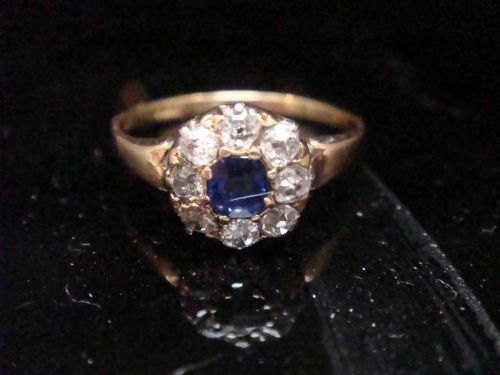
- A design featuring a central gemstone encircled by smaller stones, typically diamonds, forming a floral or geometric shape. This layout maximises visual impact on the hand.
- Unheated sapphire
- A natural corundum that has undergone no thermal enhancement to improve its colour or clarity. Such stones retain their authentic geological formation.
- Old cut diamond
- A diamond shaped with a high crown, small table, and deep pavilion, cut by hand before modern symmetrical standards emerged. These stones exhibit a distinct, softer candlelit sparkle.
- Daisy ring
- A specific cluster configuration where round stones surround a central gem to resemble the petals of a flower. This style is particularly prevalent in Edwardian jewellery.
- Corundum
- The mineral species encompassing both sapphire and ruby, valued for its extreme hardness second only to diamond. It occurs in various natural colours beyond traditional blue.
Sapphire Gemstone Ring: Frequently Asked Questions
How do I care for my ring?
Clean your sapphire gemstone ring gently using warm soapy water and a soft brush to remove everyday oils from beneath the stones. Avoid harsh chemical cleaners or ultrasonic baths, particularly if the piece incorporates softer gems or pearls alongside the sapphire.
Store the item separately in a fabric-lined box to prevent the hard corundum and diamonds from scratching other jewellery. Periodic inspection by a jeweller ensures the claws securing the stones remain tight and secure.
Were these rings worn daily?
Historical examples served as engagement tokens, celebration gifts, or fashionable everyday accessories during the Victorian, Edwardian, and Art Deco eras. The natural durability of sapphire and diamond made them suitable for regular wear.
Many surviving pieces retain their structural integrity after a century of use, though antique settings benefit from mindful handling during manual tasks. Owners often reserve delicate antique cluster designs for social occasions to preserve fragile antique metalwork.
How can I identify the period?
Examine the construction methods and metal combinations, such as the platinum-topped gold typical of Edwardian manufacture or the geometric symmetry of Art Deco design. Victorian examples frequently utilise heavier yellow gold bands and split pearl or diamond accents.
Hallmarks stamped inside the band provide official assay office stamps and date letters that narrow the year of creation. Stylistic cues like millegrain edges and openwork galleries offer further clues to the decade of production.
What is an unheated sapphire?
An unheated sapphire is a natural gemstone that has not undergone artificial heat treatment to enhance its colour or clarity. Gemological laboratories examine microscopic inclusions within the crystal to confirm whether the stone remains entirely untreated.
Stones possessing natural, unenhanced colour are sought after by collectors who value authentic geological formation. Such sapphires often feature certified reports detailing their origin and lack of thermal modification.