
Sapphire and Diamond Cluster
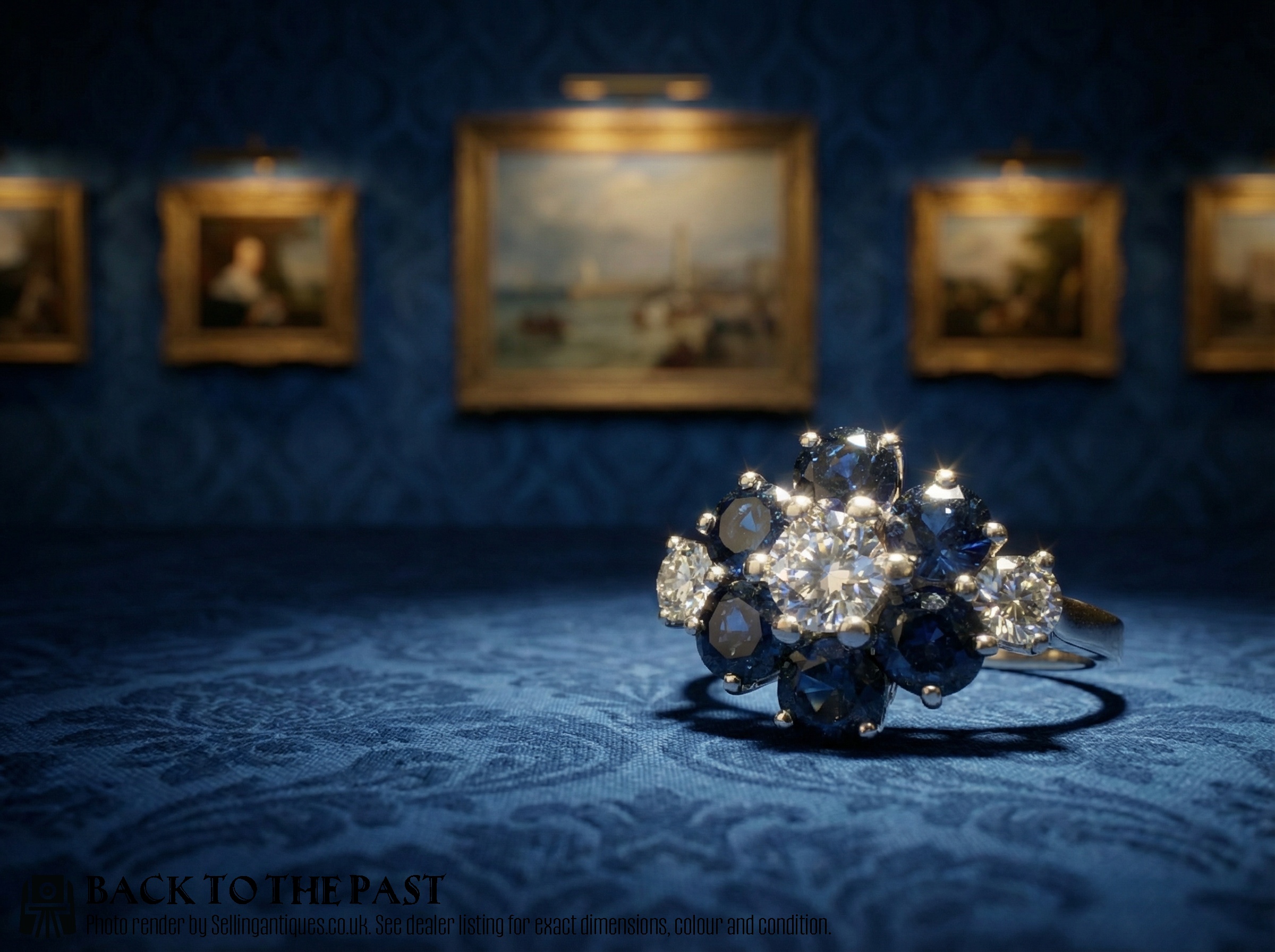
A sapphire and diamond cluster combines deep corundum with brilliant white stones in a concentric arrangement that has endured across multiple periods of design.
Sapphire and Diamond Cluster
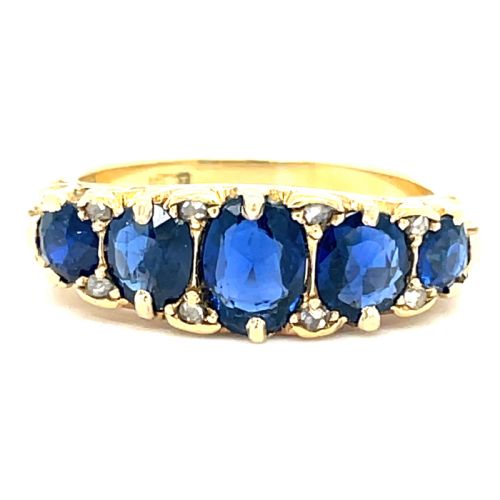
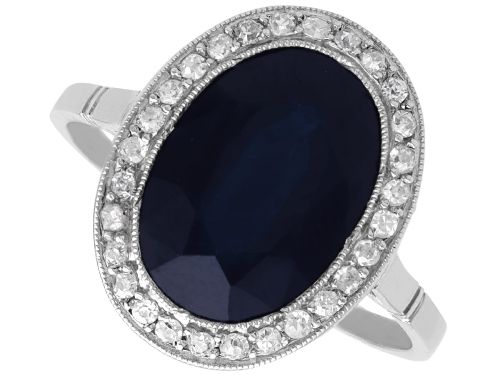
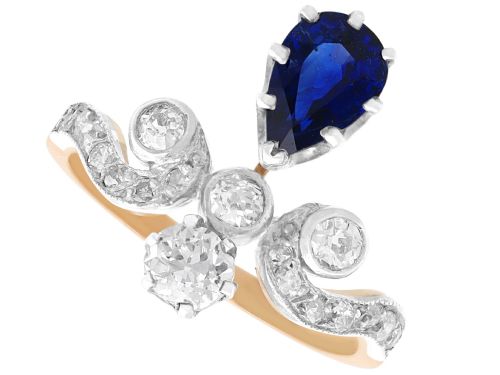
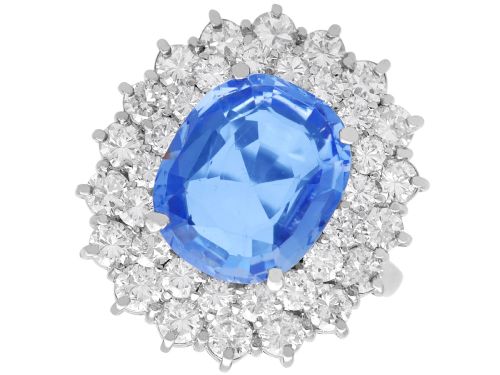
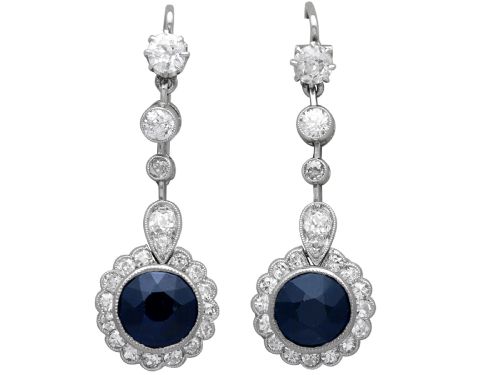
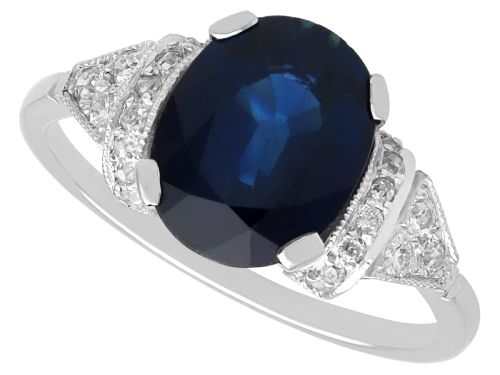
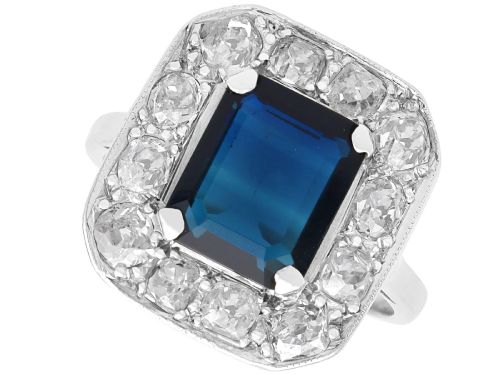
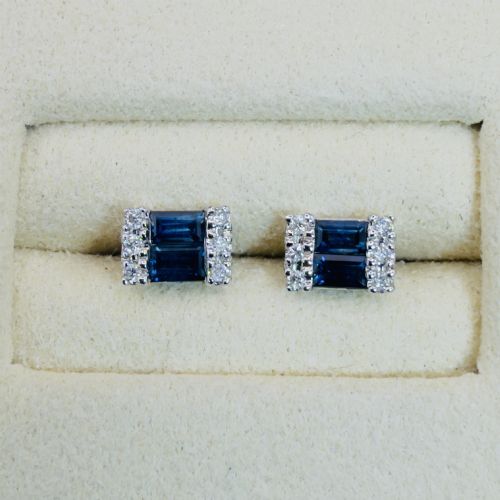
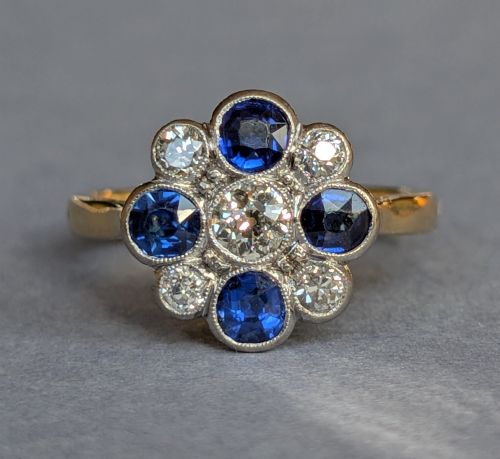
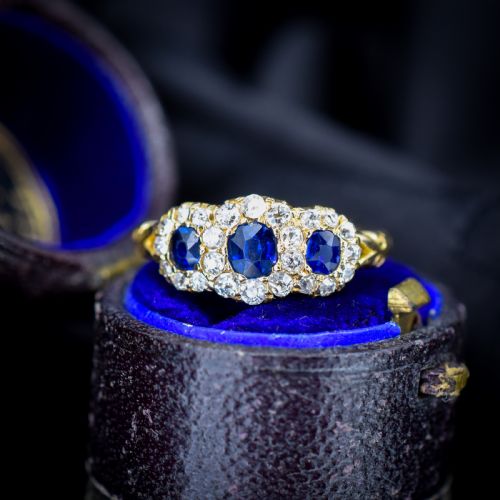
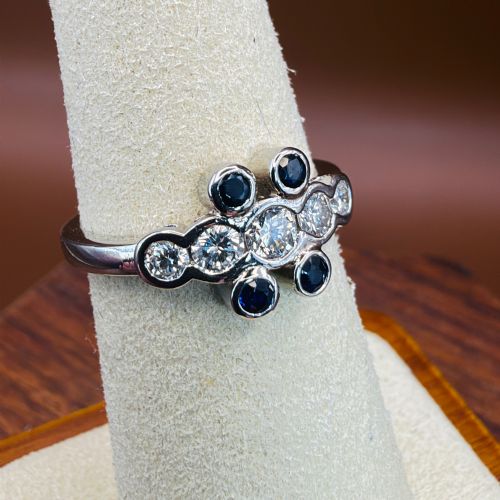
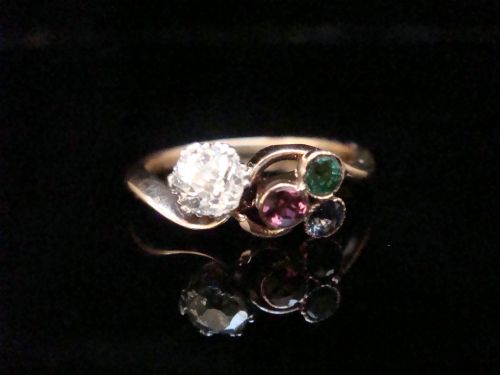
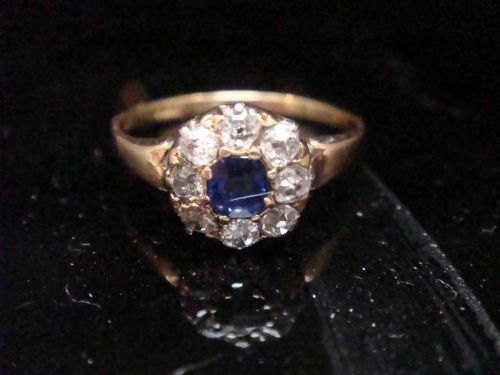
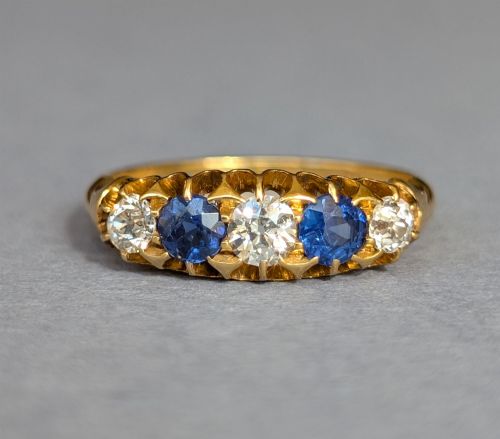
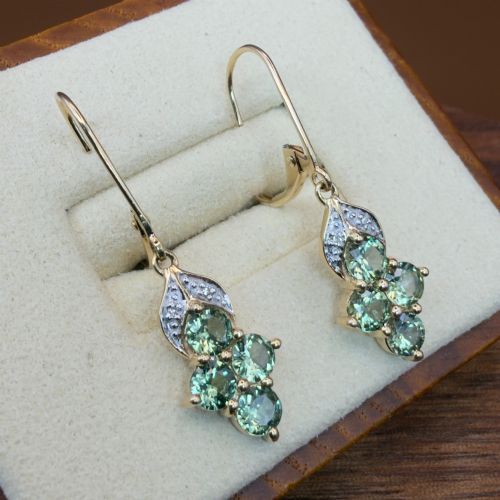
A sapphire and diamond cluster typically takes the form of a central blue, pink, or yellow sapphire surrounded by a border of cut diamonds. Rings dominate the selection, though earrings, brooches, necklaces, and pendants also appear.
Most examples originate from the Victorian, Edwardian, and Art Deco periods, alongside mid-century and vintage creations. These jewels range from simple daisy clusters to geometric navette and target formats.
How they were made
Goldsmiths utilised platinum and various grades of gold, including 18ct yellow, 18ct white, and 9ct gold, to mount the gems. Platinum gained particular favour during the Art Deco era for its strength and bright white finish.
Gemstones were secured using claw settings, bezel mounts, or calibre-cut channels. Stones include old-cut diamonds, old mined cuts, princess cuts, and unheated sapphires originating from sources such as Ceylon and Burma.
What varies in quality
The origin and treatment status of the central sapphire heavily influence the character of the piece, with unheated stones carrying particular distinction. Colour saturation, such as a deep cornflower blue or vibrant pink, contributes to visual impact.
The precision of the diamond cuts and the integrity of the metalwork, whether delicate Edwardian millegrain or bold platinum geometric framing, determine the overall execution of the cluster.
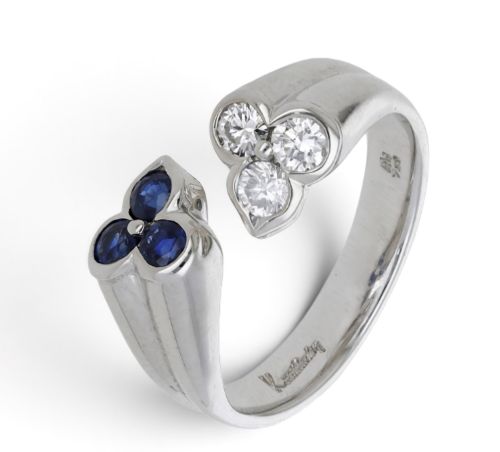
Kutchinsky·Le Vian
The Sapphire and Diamond Cluster Glossary
- Cluster
- A setting style where a central gemstone is encircled by a ring of smaller stones. This arrangement maximises the perceived scale and brilliance of the jewel.
- Calibre cut
- Gemstones specifically shaped and cut to fit tightly together without metal partitions between them. This technique defines many geometric Art Deco designs.
- Old cut
- Diamond cutting styles pre-dating modern brilliant facets, characterised by high crowns and small tables. These stones exhibit a soft glow under candle or low light.
- Millegrain
- A decorative technique featuring a line of tiny metal beads along the edges of a setting. It adds a refined texture frequently seen on Edwardian mountings.
- Navette
- A boat-shaped gemstone or mounting configuration that tapers to points at both ends. The silhouette creates an elongated appearance upon the hand.
Sapphire and Diamond Cluster: Frequently Asked Questions
What periods do these rings come from?
The selection spans from Victorian and Edwardian eras through Art Deco and mid-century decades. Each era brings distinct characteristics in metal choice and stone arrangement.
Art Deco examples often utilise platinum and geometric layouts, whilst Victorian and Edwardian pieces favour yellow gold and floral cluster motifs.
Are the sapphires heated?
Many sapphires are untreated, whilst others have undergone standard thermal enhancement to improve colour and clarity. Specific geological origins like Ceylon or Burma are occasionally documented.
Gemological reports sometimes accompany these pieces to confirm whether heat treatment has occurred.
What metals were used in these clusters?
Jewellery from this category utilises platinum as well as 18ct yellow gold, 18ct white gold, and 9ct gold. Platinum became prevalent during the 1920s for its bright finish and durability.
Gold remains common across all periods, often providing a warm contrast to white diamonds and blue sapphires.
How should I wear an antique cluster ring?
These rings suit daily wear provided appropriate care is taken with antique settings and older diamond cuts. Periodic inspection by a jeweller helps maintain secure stone retention.
Consider pairing low-profile cluster rings with compatible wedding bands or wearing them as standalone statement pieces.