






Sandstone Architectural Salvage
Sandstone architectural salvage brings raw, weathered mass and centuries of building history straight into gardens and modern interiors.
Sandstone Architectural Salvage
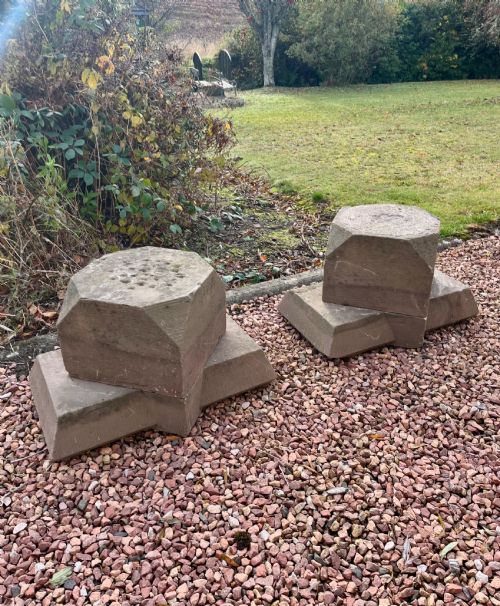
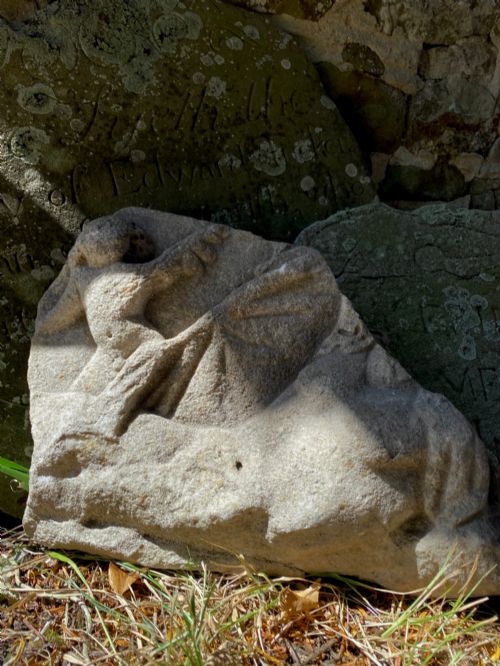
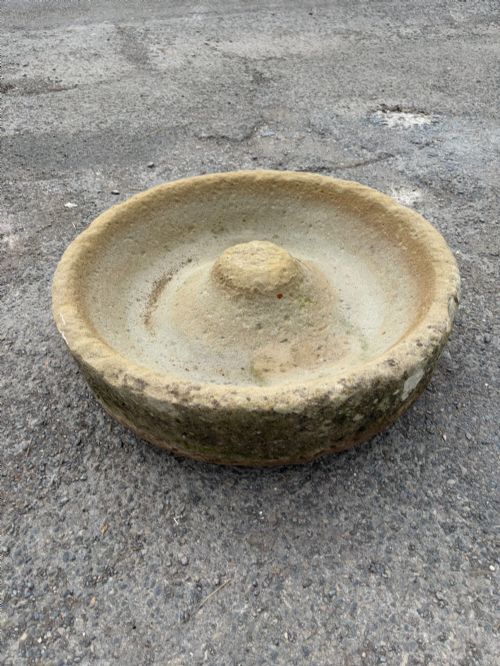
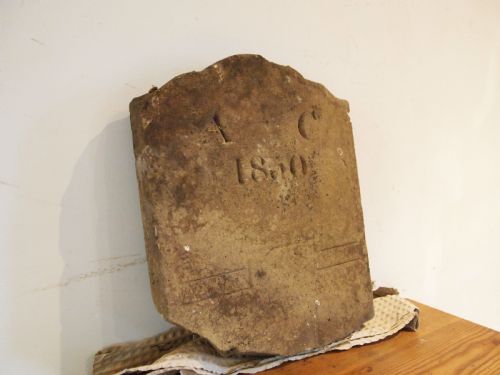
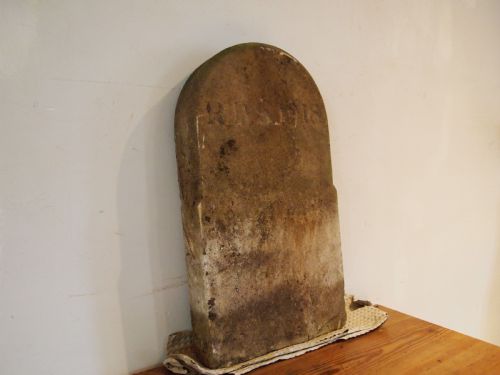
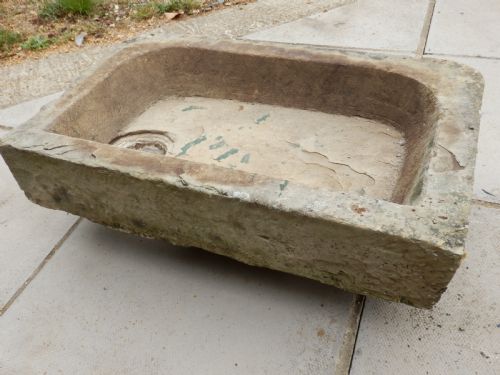
Sandstone architectural salvage encompasses heavy structural fragments, troughs, and carved masonry rescued from period buildings and rural sites. Pieces range from utilitarian agricultural items like staddle stones and pig troughs to ecclesiastical fragments and carved corbels dating back to the medieval era. Buyers searching for sandstone architectural salvage typically encounter utilitarian items such as sinks and millstones alongside decorative carved panels and columns.
The material profile spans several centuries, with items originating from the seventeenth, eighteenth, and nineteenth centuries, as well as earlier pre-sixteenth century examples. Stylistic influences reflect vernacular rural traditions, Gothic Revival adaptations, and formal Georgian or Regency design. Each piece carries the distinct patina of age, shaped by centuries of weather and human use.
Assessing quality in carved masonry
Quality rests in the crispness of surviving detail and the structural integrity of the stone mass. Early medieval corbels and seventeenth-century carved heads display high artistic intent and confident chisel work that elevates them far beyond simple building blocks.
Surface preservation under decades of lichen and weathering distinguishes superior survivals from degraded masonry. Intact carving depth and original mason marks indicate a higher standard of original execution and careful subsequent extraction.
Sandstone Architectural Salvage Retail Price Guide 2026
Typical asking prices for sandstone architectural salvage among the pieces listed under this phrase on Sellingantiques today, from the lower quarter to the upper quarter. They describe what is for sale here now, not the wider market.
Listings feature sandstone, limestone, and York stone spanning from pre-sixteenth century ecclesiastical fragments to nineteenth-century agricultural troughs.
The Sandstone Architectural Salvage Glossary
- Apotropaic
- Intended to ward off evil spirits. Such carvings often appear on medieval corbels and entryways.
- Corbel
- A structural piece of stone jutting from a wall to carry a superincumbent weight. Medieval examples frequently feature grotesque or apotropaic faces.
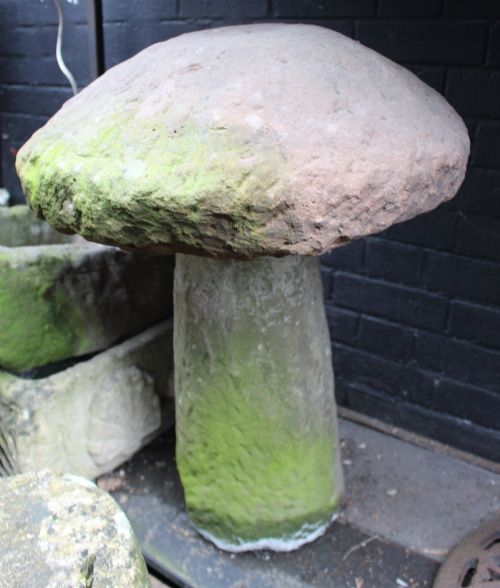
- Staddle stone
- A mushroom-shaped stone support used to raise granaries and barns above ground level. This design kept grain dry and prevented vermin entry.
- Keystone
- The central wedge-shaped stone in an arch that locks all the other pieces in place. These often bear dates, initials, or armorial reliefs.
- Millstone
- A heavy circular stone used in pairs for grinding grain. Surviving wheels make substantial garden ornaments.
Sandstone Architectural Salvage: Frequently Asked Questions
How heavy are these stone items?
Most pieces weigh several hundred kilograms due to the dense nature of sandstone and limestone.
Specialist lifting equipment and careful site planning are essential for delivery and placement.
Can these fragments go outside?
These materials are quarried for exterior construction and withstand centuries of weather.
Freezing water in unsealed cracks poses the main risk during winter months.
How do I clean old stone?
Gentle brushing with water removes loose dirt while preserving historical lichen and patination.
Harsh pressure washing damages soft sandstone faces and eroves tool marks.
What is a staddle stone used for?
Farmers placed these mushroom-shaped supports beneath timber granaries to lift floors off damp ground.
The wide cap successfully blocked rats and mice from climbing up into the stored grain.