





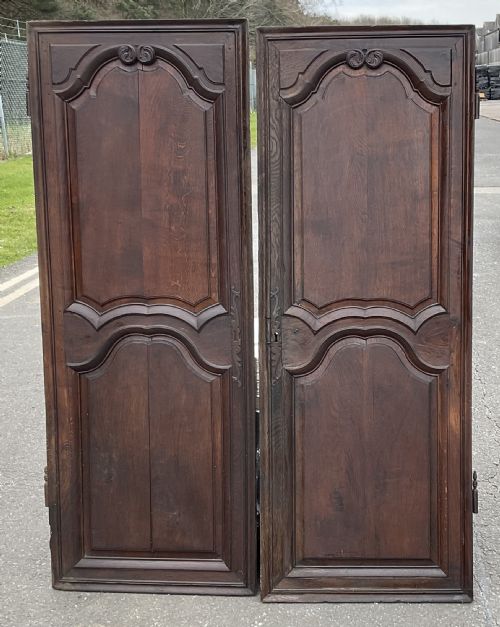
Salvaged Chateau Doors
These salvaged chateau doors bring grand French architecture into modern interiors through heavy walnut, carved wood, and period ironwork.
Salvaged Chateau Doors
When buyers search for salvaged chateau doors, they encounter heavy architectural elements originating from French country houses and grand estates. These items span periods from the seventeenth century through to the early twentieth century, offering substantial scale and historical weight.
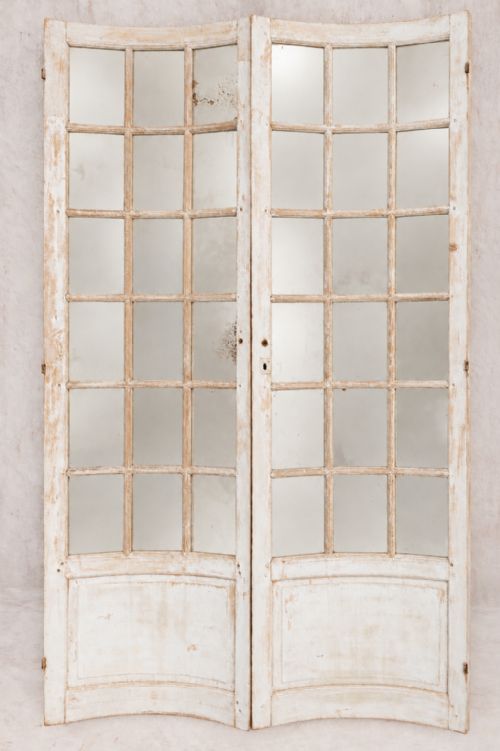
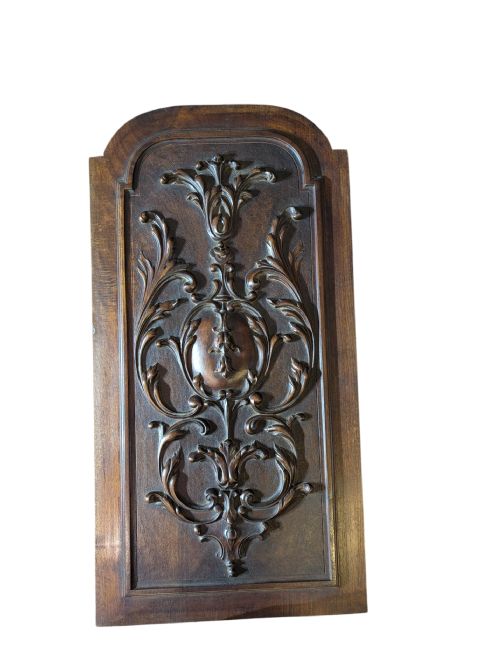
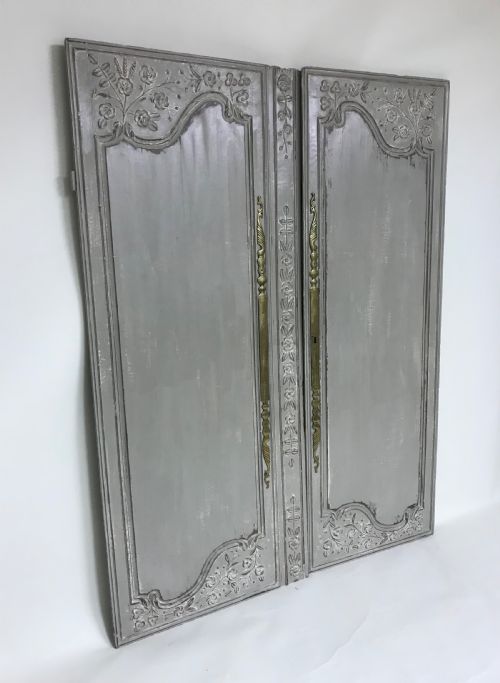
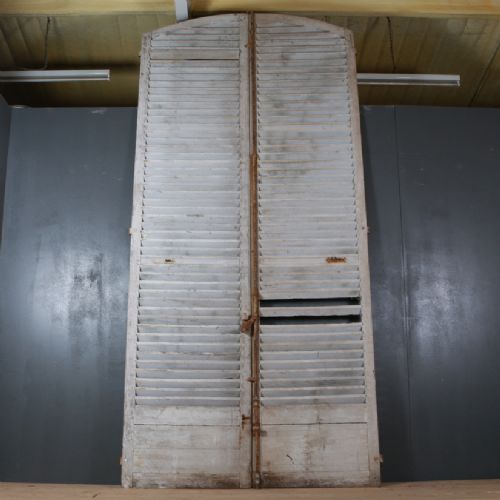
The selection here encompasses several distinct forms beyond standard entryway portals. Buyers find pairs of walnut doors, cabinet doors, shutters, and over doors alongside individual carved panels and hardware.
French Provincial, Baroque, Louis XVI, and Rococo styles dominate the design vocabulary. Pieces range from unpainted walnut to painted wood surfaces carrying historical layers of colour.
Materials and Construction
Makers constructed these architectural elements primarily using solid walnut and carved wood, complemented by structural iron components. Iron latches and spring bolts provide both mechanical function and period authenticity.
Decoration relied on deep hand carving, gesso preparation, and surface paint applications. Artisans shaped concave forms and detailed motifs such as cherubs directly into the timber.
Salvaged Chateau Doors Retail Price Guide 2026
Typical asking prices for salvaged chateau doors among the pieces listed under this phrase on Sellingantiques today, from the lower quarter to the upper quarter. They describe what is for sale here now, not the wider market.
Listings span the seventeenth through the early twentieth century, featuring walnut, painted wood, iron, and glass materials.
Assessing Quality and Character
Quality rests upon the depth of the hand carving and the integrity of the original timber. Superior examples display crisp detail in wooden ornamentation and retain their substantial weight without excessive structural compromise.
The distinction between ordinary utility items and finer pieces lies in the sophistication of the French regional style, whether restrained provincial work or elaborate Baroque and Rococo detailing.
The Salvaged Chateau Doors Glossary
- Architectural salvage
- Building components rescued from demolition or renovation for reuse in interior design. These items preserve historical craftsmanship that modern construction rarely replicates.
- Gesso
- A plaster-like mixture applied to wood surfaces as a base for painting or gilding. This preparation creates a smooth ground for decorative finishes.
- Pelmet
- A wooden framework placed above a window or door to conceal fittings. French examples often feature elaborate hand carving.
- Spring bolt latch
- A mechanical door fastening operated by a spring mechanism. Seventeenth-century versions demonstrate early ironworking skill.
Salvaged Chateau Doors: Frequently Asked Questions
How do I hang heavy doors?
These substantial timber panels require reinforced wall framing and heavy-duty structural hinges capable of supporting significant weight. Professional installation ensures the doors operate smoothly without sagging over time.
Matching the weight of the timber with appropriate hardware prevents damage to both the wall structure and the antique frame during daily use.
Can I use them as room dividers?
Pairs of tall walnut or painted doors function effectively as sliding room dividers or decorative screens within larger open-plan spaces. Their architectural presence divides a room while maintaining a sense of historical character.
Securing the top and bottom tracks properly allows these heavy architectural elements to glide safely across modern flooring.
How do I clean painted wood?
Painted surfaces require gentle dusting with a dry microfibre cloth to remove debris without disturbing fragile historical layers. Avoid harsh chemical cleaners that strip or soften old paint.
If deeper cleaning is necessary, use a slightly damp cloth with mild soap, testing a small hidden area first to check paint stability.
What periods are represented here?
The inventory spans multiple centuries of French design, beginning with seventeenth-century ironwork and extending through eighteenth- and nineteenth-century carved panels to early twentieth-century painted doors.
Each era brings distinct stylistic markers, shifting from austere seventeenth-century bolts to elaborate Baroque and Louis XVI carving.