

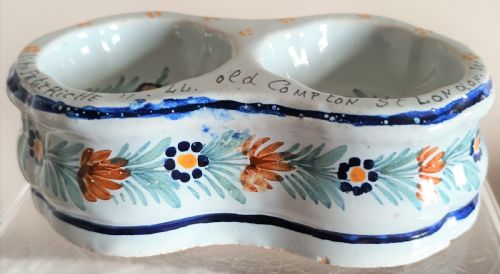


Salt Glaze Earthenware
Salt glaze earthenware brings tactile, textured utility to a room, offering robust vessels shaped for the kitchen, garden and table.
Salt Glaze Earthenware
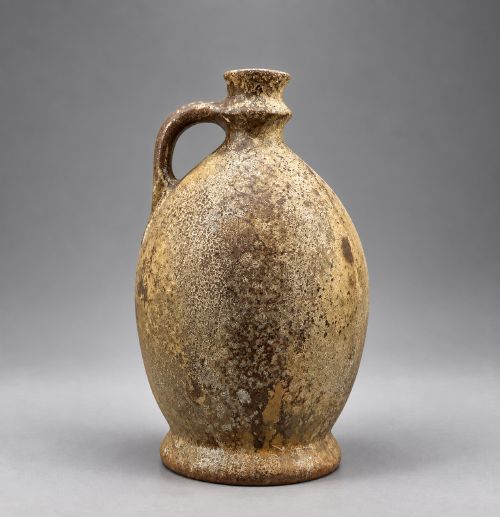
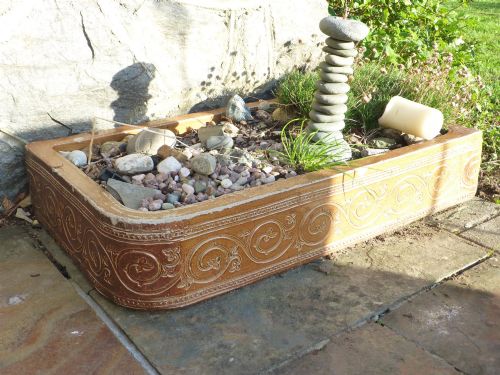
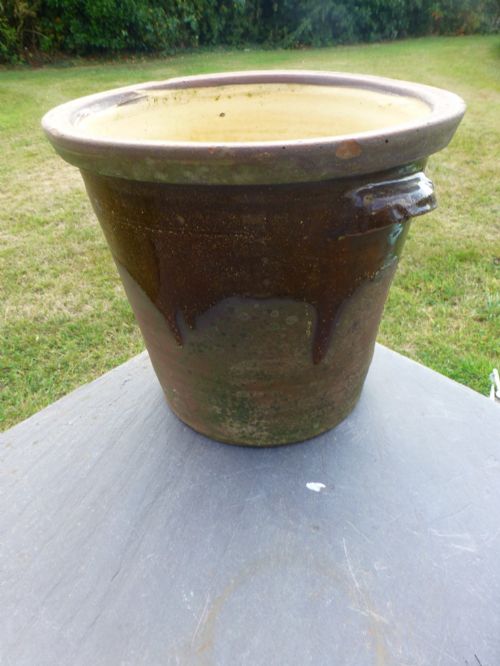
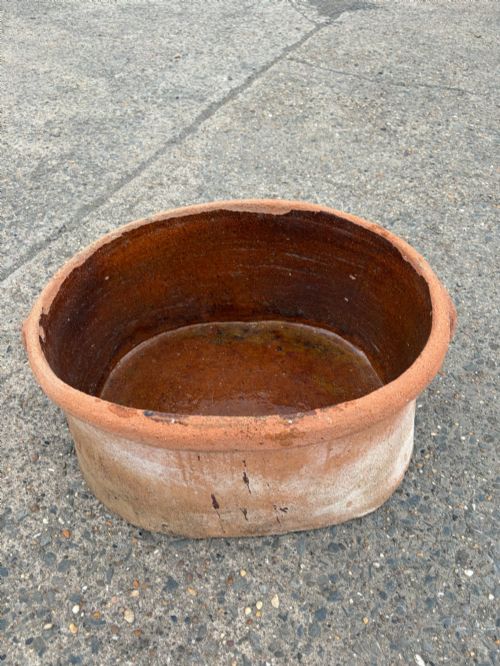
When you search for salt glaze earthenware, you encounter an eclectic mix of functional domestic items spanning multiple centuries and origins. The selection ranges from robust nineteenth-century flagons and dairy salting crocks to decorative French planters and delicate tabletop vessels.
How they were made
Potters shaped these objects from dense earthenware, terracotta and stoneware bodies, often utilising moulds or the potter's wheel. Makers applied specialised glazes, including tin glaze and characteristic salt glazing techniques, to seal the porous clay.
Firing took place in high-temperature kilns where salt thrown into the flames reacted with the silica in the clay body. This chemical process produced the signature textured, pitted surface finish observed across flagons, crocks and vessels.
Salt Glaze Earthenware Retail Price Guide 2026
Typical asking prices for salt glaze earthenware among the pieces listed under this phrase on Sellingantiques today, from the lower quarter to the upper quarter. They describe what is for sale here now, not the wider market.
Listings feature nineteenth-century items alongside eighteenth-century pieces, spanning terracotta, stoneware and faience materials.
What varies in quality
Quality separates ordinary utility pieces from exceptional examples through the crispness of moulded relief work and the evenness of the glaze. Master potteries achieved distinct surface patinas and controlled colour variations that elevate simple containers into desirable decorative objects.
The integrity of the form and the preservation of original factory marks or maker stamps strongly influence distinction. Pieces retaining clear historical provenance and untouched surface wear command greater appreciation from collectors.
Guichard Carriès·HB Quimper·Dee Filter Company·Doulton Lambeth
The Salt Glaze Earthenware Glossary
- Salt glaze
- A ceramic finish created by throwing common salt into the kiln during the high-temperature firing stage, producing a pebbled, orange-peel texture on the pottery surface.
- Earthenware
- Porous pottery fired at lower temperatures than stoneware, requiring a glaze to render the vessel watertight for domestic tasks.
- Terracotta
- Unglazed or clear-glazed fired brownish-red clay commonly utilised for garden planters, troughs and agricultural vessels.
- Kitchenalia
- Utilitarian objects originally designed for practical food preparation, storage and dairy work in historical kitchens.
- Faience
- European tin-glazed earthenware decorated with opaque coloured glazes, often associated with traditional French regional potteries.
Salt Glaze Earthenware: Frequently Asked Questions
What is salt glaze earthenware?
Salt glaze earthenware encompasses robust ceramic vessels finished with a distinct textured coating created during the kiln firing process. These pieces range from heavy dairy crocks to domestic tableware.
They reflect historical manufacturing methods where salt vapours interacted directly with the clay body. This created a durable, impervious surface suited to everyday storage and utility.
How were salt glaze items used?
Historical households utilised these vessels for preserving food, storing liquids, filtering water and holding salt in the kitchen. Larger troughs and crocks served agricultural and dairy purposes.
Smaller items like salt cellars and flagons fulfilled dining and table service roles. Their durable construction ensured longevity in demanding domestic environments.
How do I care for antique pottery?
Antique pottery requires gentle handling and cleaning with soft, dry cloths to preserve the delicate surface patina and historic glazes. Avoid harsh chemical detergents and abrasive scrubbing.
Display items away from excessive moisture and direct sunlight to protect the ceramic body. Garden planters benefit from frost protection during freezing winter months.