


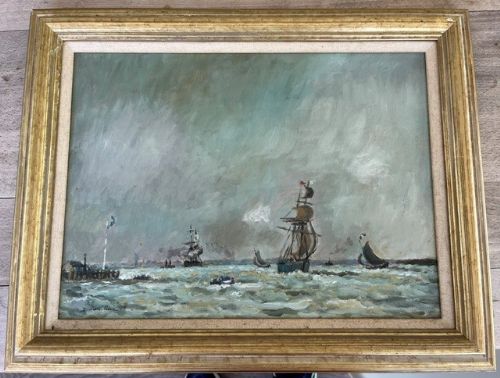


Sailing Ship Ocean Art
Sailing ship ocean art captures the enduring fascination with maritime vessels navigating open waters through paintings and watercolours.
Sailing Ship Ocean Art
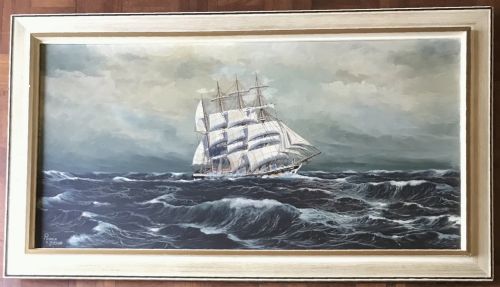
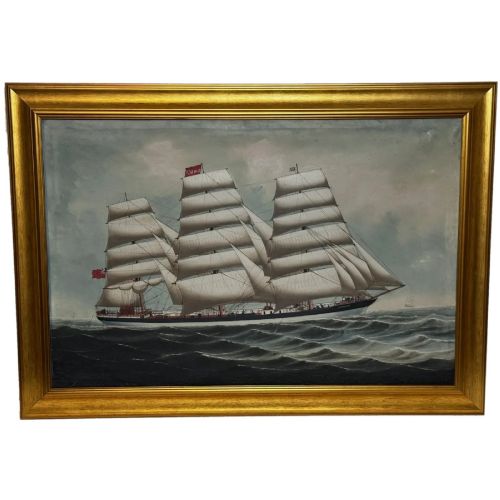
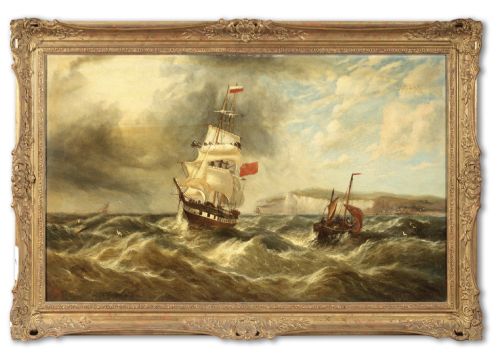
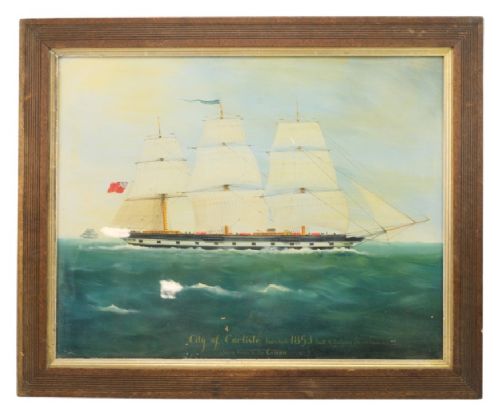
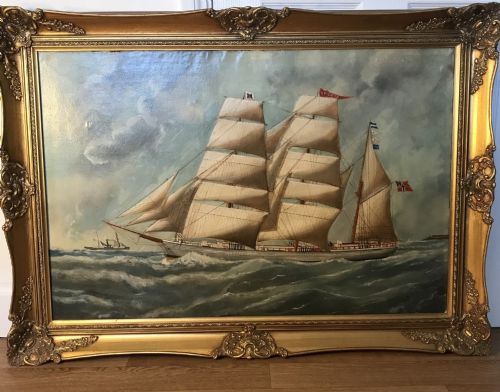
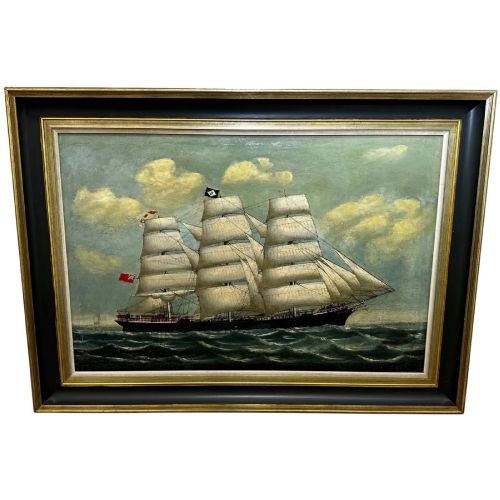
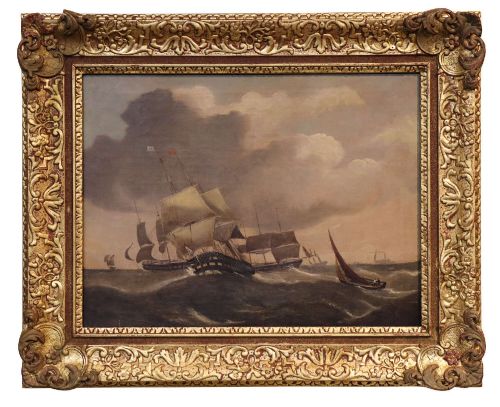
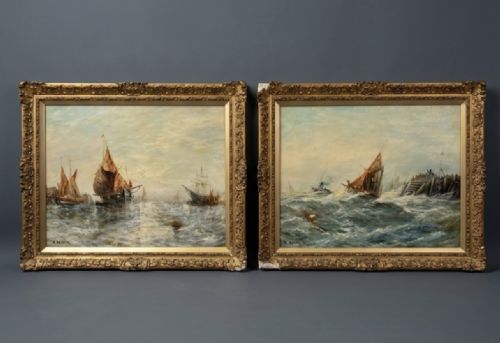
When searching for sailing ship ocean art, buyers encounter paintings and watercolours depicting vessels on the water across various periods. These works range from detailed depictions of specific merchant ships and barques to broader seascapes in heavy seas or calm coastal waters.
The selections available include pieces from the 19th Century, Victorian era, Edwardian period, and mid-20th century. Works on this page appear primarily as oil paintings on canvas or board, alongside framed watercolours on paper.
What varies in quality
Quality rests in the precision of the vessel's rigging and architectural accuracy, alongside the artist's ability to render the movement and weight of water in heavy seas.
The handling of light and atmosphere across the sky and sea distinguishes standard decorative works from accomplished maritime compositions.
Several vessels captured in these stormy oils survived decades at sea only to spend eternity safely behind nineteenth-century glass.
Reginald Arthur Borstel·Charles Edward Dixon·John Rose Miles·Bonaventura Peeters·Lai Fong·Charles William Adderton·Thomas Bush Hardy·Daniel Sherrin·Dion Pears·Samuel Owen·George Gregory·George Stanfield Walters·Marie-Edouard Adam·E Tucker·Frank Wood·Dr Frederick A Cook·William Boyce·Richard Ball Spencer
The Sailing Ship Ocean Art Glossary
- Barque
- A sailing vessel with three or more masts where the aft mast is rigged fore-and-aft and the others are square-rigged. These ships frequently appear in maritime paintings from the nineteenth century.
- Seascape
- A work of art depicting the sea, coastal views, or ships underway. This genre forms the core of marine painting.
- Gilt
- A thin layer of gold applied to wood frames. It adds a reflective border to maritime oil paintings and watercolours.
- Watercolour
- A painting method where pigment is suspended in a water-based solution on paper. It offers translucent washes suitable for capturing coastal light and skies.
Sailing Ship Ocean Art: Frequently Asked Questions
What subjects appear in maritime art?
Paintings show named clippers, merchant vessels, and fishing boats navigating coastal waters, stormy seas, and harbours.
Scenes often record historical ships, polar expeditions, and naval engagements from the nineteenth and twentieth centuries.
How do oils and watercolours differ?
Oils utilise heavy pigments on canvas or board, allowing for textured sea spray and deep shadows in stormy compositions.
Watercolours employ translucent washes on paper, capturing bright coastal light and open estuaries with delicate precision.
How should maritime art be displayed?
These framed works suit studies, living rooms, and hallways where natural light enhances the detail of the rigging and canvas.
Keeping paintings away from direct sunlight protects both the paper watercolours and the gilt wooden frames.
How are periods identified in these paintings?
Styles, framing materials, signatures, and recorded dates on the reverse help determine whether a piece originates from the Victorian era or later periods.
Clothing on figures, ship architecture, and written titles on the mount provide further context for dating.