
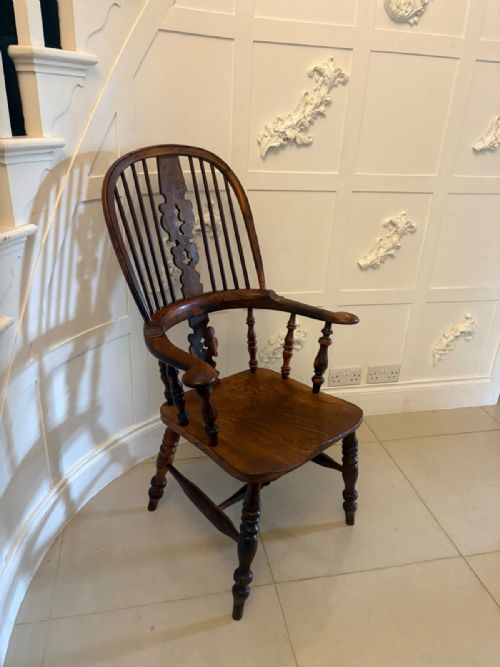


Rustic Yew Wood Desk
A rustic yew wood desk is a robust, characterful piece built for daily use, most often appearing here as traditional Windsor seating rather than flat writing surfaces.
Rustic Yew Wood Desk
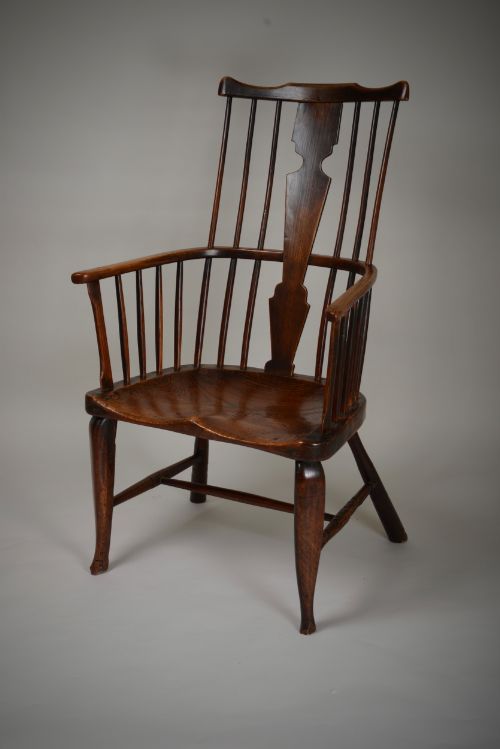
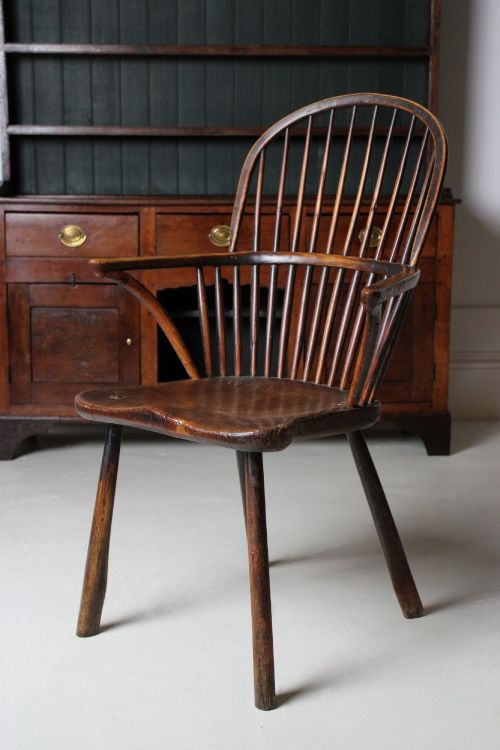
A rustic yew wood desk search leads primarily to country-made seating rather than standard writing tables. These are English vernacular and regional Windsor chairs made from sturdy local timbers.
The material combination of yew and elm defines the group, often featuring high backs, comb backs, or low backs reflecting 18th-century and 19th-century workshop traditions.
Regional variations span the Thames Valley and Nottinghamshire, showing the distinct structural choices of local makers working in traditional English country styles.
How they were made
Makers combined yew wood for its rich grain with elm for solid, resilient seats that resisted splitting under heavy use. Ash and beech frequently provided the supporting spindles and legs.
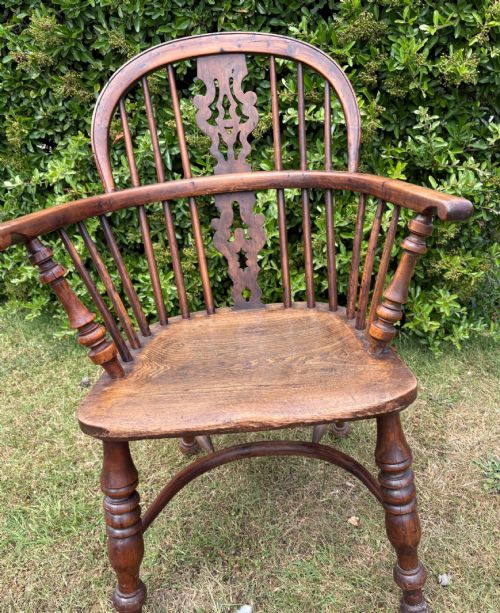
Turned components met steam-bent wooden hoops using traditional peg and socket joinery without metal fasteners. This method allowed the chairs to flex naturally while maintaining structural integrity over generations.
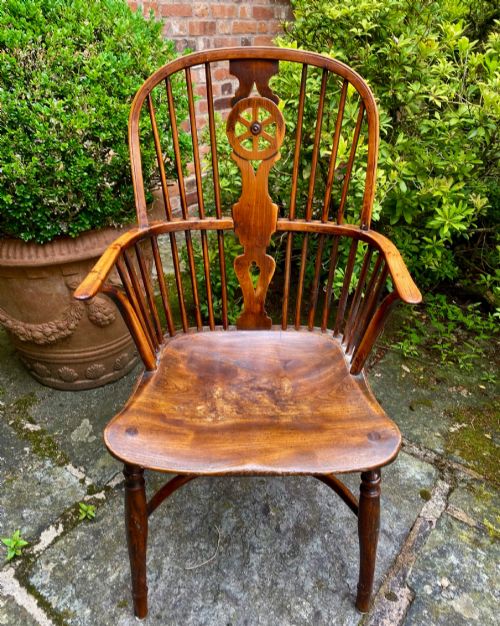
Several chairs feature carved saddle seats polished smooth by generations of provincial writers.
What varies in quality
Quality rests in the depth of the timber's figuring and the balance of the turned spindles. A well-proportioned hoop back demonstrates a maker's control over the grain.
The integration of the arm rests and the thickness of the elm seat determine the overall solidity. Better examples retain crisp turning details despite centuries of handling and polishing.
Gabbitass Worksop·Ben Gilling·Benjamin Gilling
The Rustic Yew Wood Desk Glossary
- Windsor chair
- A wooden chair constructed with a solid elm seat into which the legs and back spindles are directly fitted. This form developed through regional English vernacular traditions.
- Hoop back
- A continuous curved wooden bow that forms the upper backrest and arm support. It requires skilled steam-bending of straight timber.
- Comb back
- A chair back style where vertical spindles rise to a horizontal headpiece resembling a traditional hair comb. It is characteristic of 18th-century regional seating.
- Vernacular
- Objects built by local craftsmen following regional traditions rather than strict academic design patterns. These pieces prioritise functional durability and available local materials.
Rustic Yew Wood Desk: Frequently Asked Questions
Are these chairs comfortable for daily use?
The sculpted elm seats provide surprising ergonomic support moulded to the human form over long periods of sitting.
Their upright postures and sturdy arm rests suit reading or writing at a traditional table.
How do I identify a Thames Valley chair?
Thames Valley pieces typically display highly figured yew wood combined with distinctive crinoline stretchers joining the legs.
Local workshops in this region developed specific turning profiles on the arm supports and leg spindles.
What is the difference between high back and low back chairs?
High-back versions extend upward to support the head and shoulders during long hours in provincial interiors.
Low-back variants offer greater freedom of movement for the arms, often utilised in domestic and working environments.
How should I care for yew wood furniture?
Apply natural beeswax periodically to nourish the dry timber and maintain a soft, protective sheen without synthetic buildup.
Keep these items away from direct heat sources to prevent the seasoned wood from splitting.