








Rustic Woven Baskets
Rustic woven baskets are honest utility objects shaped from willow, pine, and cane, bringing centuries of agricultural history and tactile warmth directly into modern living spaces.
Rustic Woven Baskets
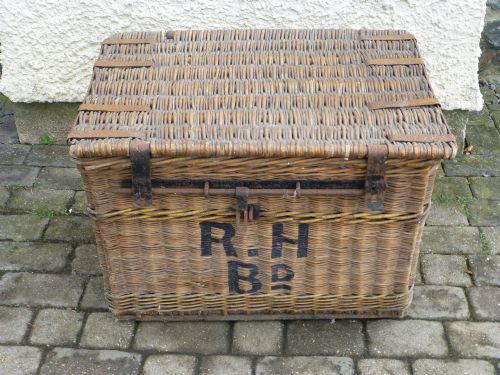
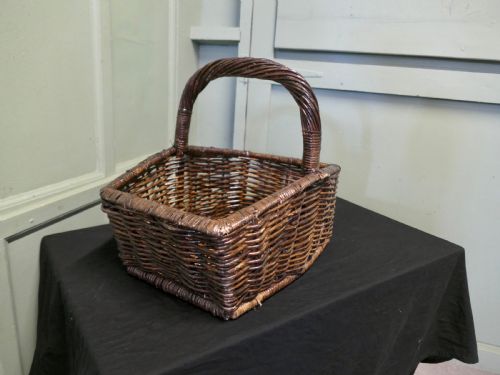
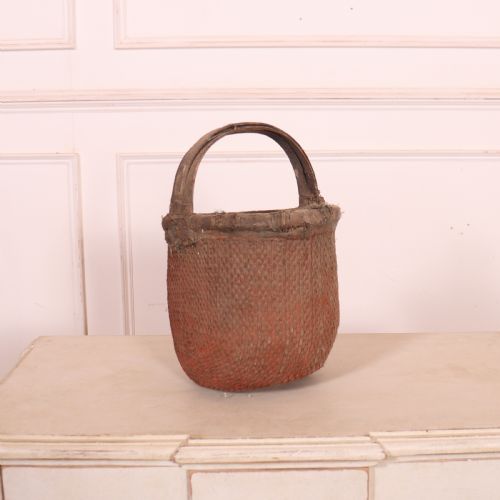
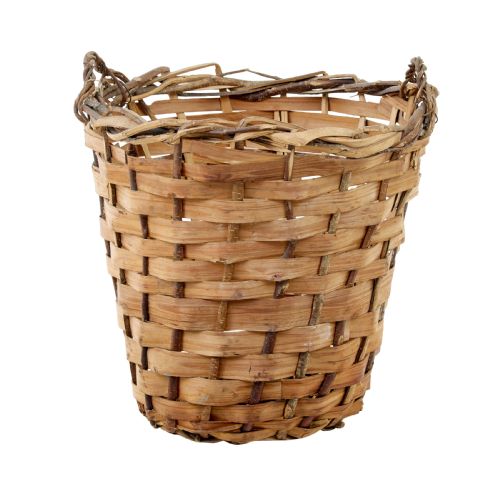
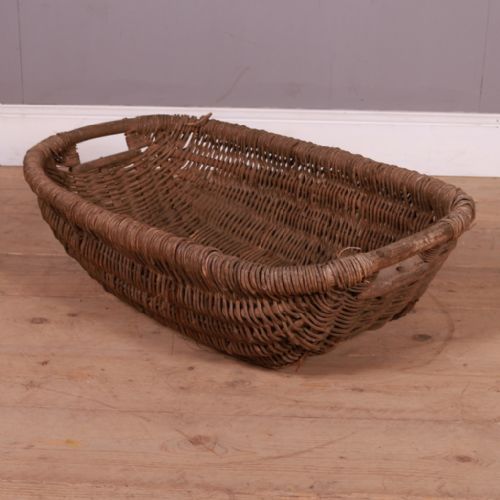
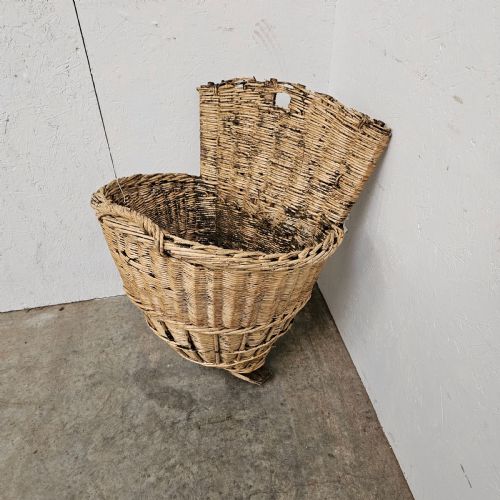
Rustic woven baskets encompass hard-working storage pieces designed for agriculture, trade, and domestic duty, ranging from large industrial travelling trunks to small painted domestic carriers. When you search for rustic woven baskets, you encounter forms built for heavy labour such as French grape harvest hods, Scandinavian linen containers, and deep log storage receptacles.
The pieces appearing on this page stretch primarily across the nineteenth and early twentieth centuries, drawing upon English, French, and Scandinavian country traditions. You will frequently meet large wicker mill baskets alongside sturdy pine and cane storage trunks.
Domestic and agricultural utility dictated the forms, resulting in specialised shapes like two-tier stands, trugs, and deep round hampers. These vessels combine robust structural frames with flexible woven bodies intended to endure decades of constant handling.
Materials and Construction Methods
Construction relies heavily on natural plant fibres and timber, utilising willow, wicker, cane, and bentwood alongside solid pine for reinforced bases and rims. Craftsmen selected pliable materials that could be tightly interwoven while maintaining high tensile strength under heavy loads.
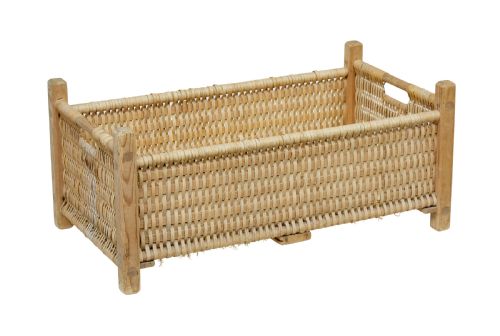
Makers integrated sturdy wooden components, incorporating pine splints, metal fastenings, and solid wooden structures to anchor the woven bodies of large trunks and tiered stands. This combination of flexible weaving and rigid framing allowed agricultural baskets to withstand the rigours of harvest work.
Rustic Woven Baskets Retail Price Guide 2026
Typical asking prices for rustic woven baskets among the pieces listed under this phrase on Sellingantiques today, from the lower quarter to the upper quarter. They describe what is for sale here now, not the wider market.
The inventory spans the eighteenth, nineteenth, and early twentieth centuries, featuring materials such as pine, wicker, cane, and bentwood.
Assessing Craftsmanship and Condition
Quality in these utility pieces rests upon the tightness of the weave, the structural integrity of the frame, and the survival of original surface patination. Superior examples display even tension throughout the basketry and robust joinery at the stress points.
The distinction between ordinary utility items and finer survivors often lies in the balance of proportions and the honest wear earned through generations of active service. Original painted surfaces or untouched aged patination elevate pieces beyond standard workshop output.
The Rustic Woven Baskets Glossary
- Wicker
- A method of weaving pliable plant materials into sturdy items like baskets and furniture. It provides both flexibility and high structural resilience.
- Bentwood
- Wood that has been heated and mechanically bent into curved structural components. This technique strengthens frames without requiring complex joinery.
- Hod
- A deep carrier traditionally used for gathering grapes or building materials on the shoulder. These agricultural vessels feature distinct sloped or curved profiles.
- Trug
- A traditional shallow garden basket traditionally constructed from thin strips of wood. It serves as a light receptacle for harvesting fruit and flowers.
- Splint
- A flat, thin strip of wood utilised in traditional basketry and box making. Splints create rigid foundational structures when interwoven tightly.
Rustic Woven Baskets: Frequently Asked Questions
How do I clean an antique basket?
Dust gently using a soft brush or a vacuum attachment fitted with a mesh screen to protect brittle fibres. Avoid using excess water or harsh chemical cleaners, as moisture damages aged wood and natural wicker.
Allow the material to breathe naturally after dusting. Keeping them out of direct sunlight prevents the plant fibres from drying out and cracking.
Can I use these baskets for heavy storage?
Many of these pieces were originally constructed for rigorous tasks such as hauling grapes, linen, or industrial materials. Large wicker trunks and pine baskets handle blankets, logs, and heavy items with ease.
Inspect the base and internal framework to ensure structural stability before loading heavy items. Distributing weight evenly preserves the historical weave.
How do I date an older basket?
Dating relies on observing construction marks, material preparation, and the style of framing hardware used. Nineteenth-century pieces often feature hand-split pine bases and dense willow or cane weaving.
Industrial examples from the early twentieth century utilise heavier gauges of wicker and reinforced metal fittings. Comparing proportions and regional forms helps narrow down the origin.
Are French and Scandinavian baskets different?
French country baskets frequently reflect agricultural needs like grape harvesting, resulting in specialised shapes such as deep hods and market carriers. Scandinavian pieces lean towards pale pine and tight geometric weaves suited for domestic linen storage.
Both traditions prioritize sturdy utility, but regional materials impart distinct colour palettes and textures. French items show darker patinated wicker, while Scandinavian examples often display blonde pine.