


Rustic Wooden Shelving
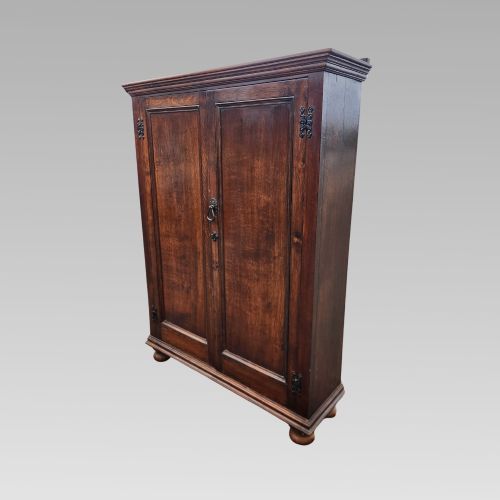
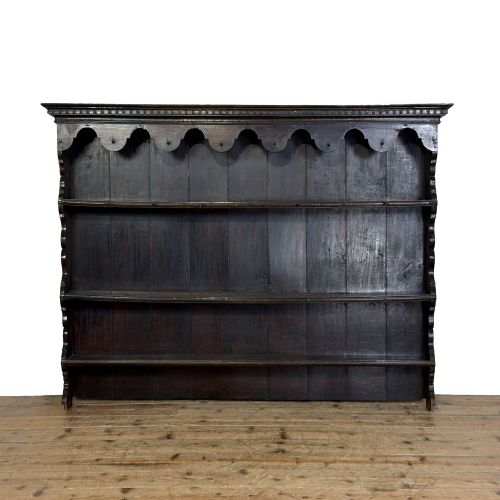
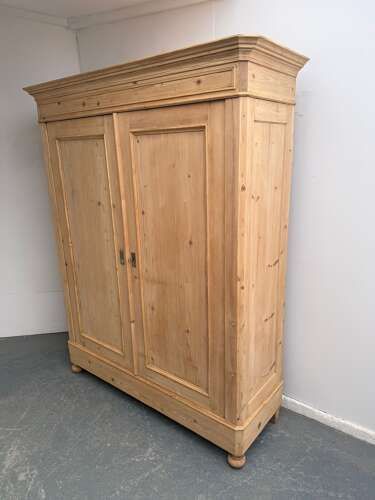
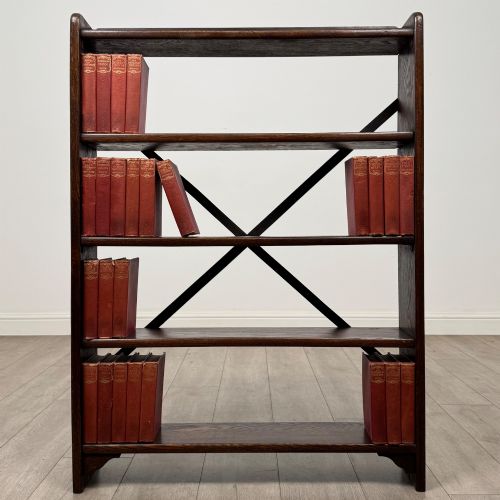
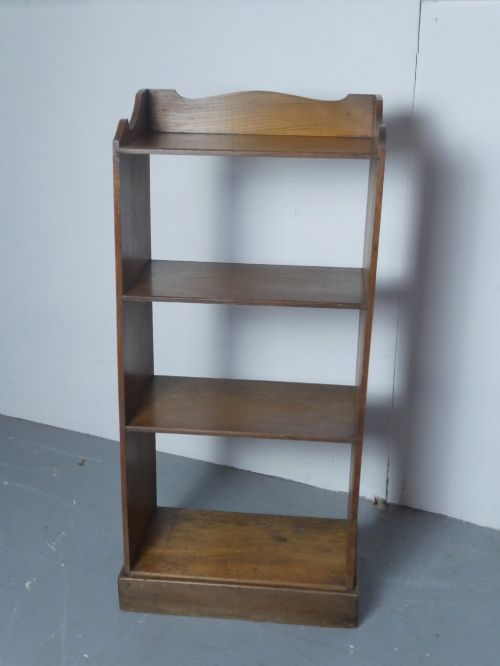
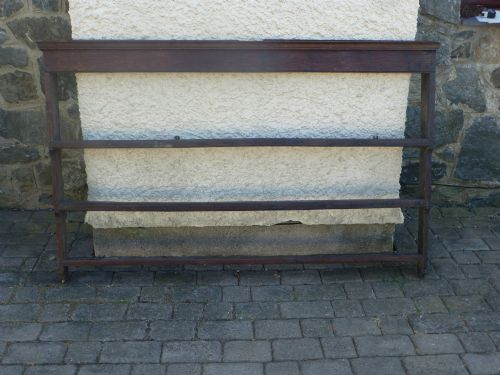
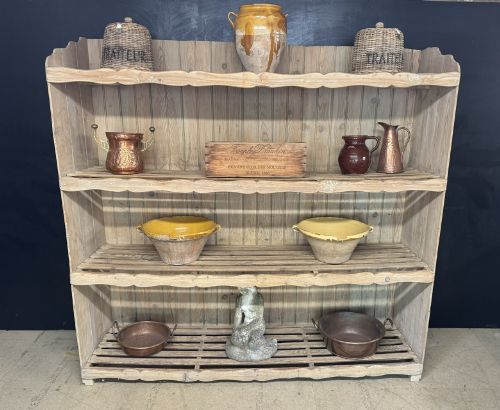
Rustic wooden shelving delivers practical storage through time-worn timber book-cases, plate racks, and pigeon holes.
Rustic Wooden Shelving
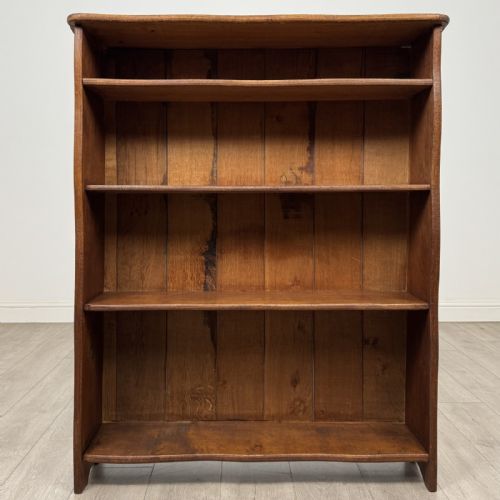
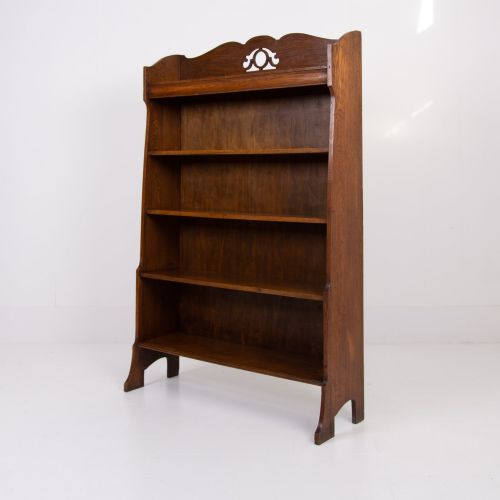
Rustic wooden shelving encompasses open bookcases, plate racks, and wall shelves built from timber, pine, and oak. These storage pieces appear across various historical periods, including the eighteenth century, nineteenth century, and Edwardian eras.
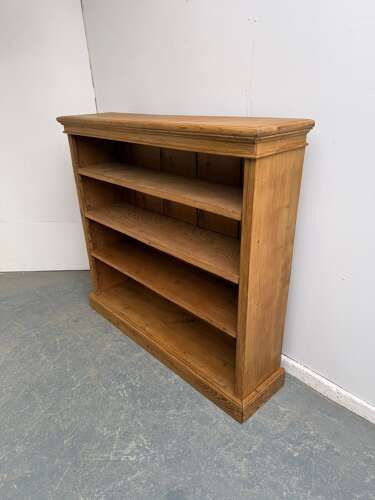
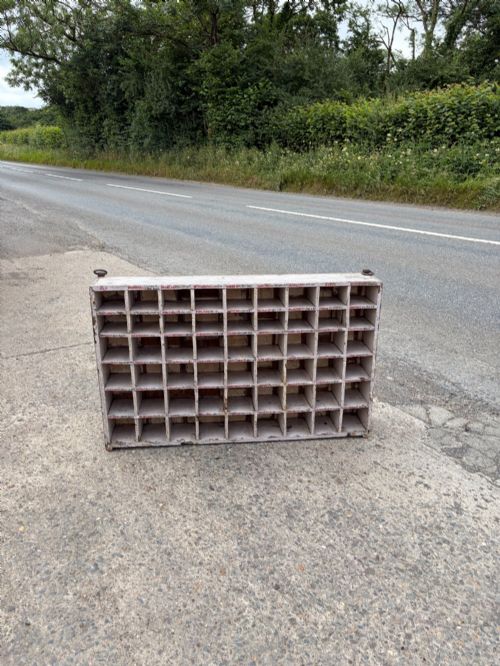
The version most commonly met on this page is the open pine or oak bookcase, alongside kitchen plate racks and pigeon holes. They originate from English country houses, French provincial settings, and industrial workshops.
Buyers seek these items for their functional utility and honest construction. Each piece brings straightforward storage capacity combined with the distinct character of aged wood.
How these pieces were made
Makers utilised solid timbers such as oak, pine, walnut, and elm, often joining boards with simple traditional methods suited to domestic and workshop use. Iron brackets and brass fittings reinforced the structures where extra strength was required.
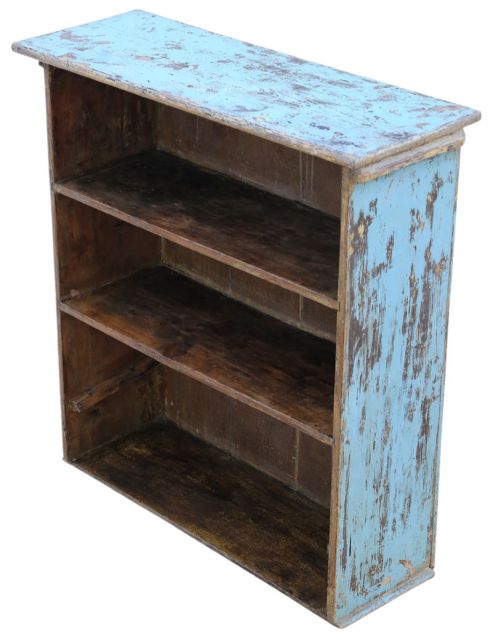
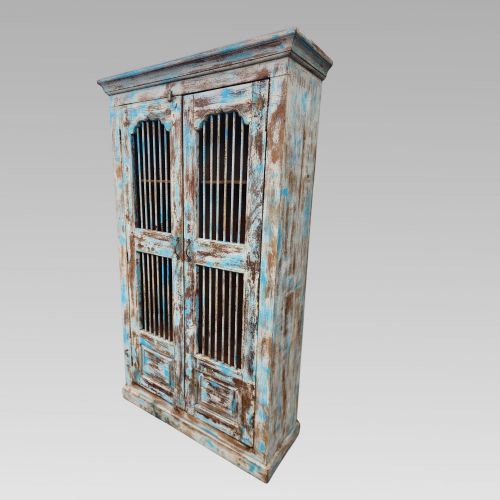
Surfaces were finished with wax, polish, or left as bare timber, while others received coats of paint or developed distressed patinas over decades of use. Carved details occasionally adorned the edges of oak bookcases and wall shelves.
Rustic Wooden Shelving Retail Price Guide 2026
Typical asking prices for rustic wooden shelving among the pieces listed under this phrase on Sellingantiques today, from the lower quarter to the upper quarter. They describe what is for sale here now, not the wider market.
Some nineteenth-century pine shoe racks survived entirely intact, having spent generations smelling faintly of leather and polish.
What varies in quality
Quality rests in the selection of timber and the integrity of the original construction, distinguishing sturdy provincial furniture from later utility items. Heavier hardwoods like oak and walnut generally command greater respect than standard pine.
The Rustic Wooden Shelving Glossary
- Delft rack
- A wall-mounted or dresser-top shelf specifically designed for displaying ceramic plates and platters. These racks feature narrow ledges and wooden retaining rails.
- Pigeon holes
- A grid of small rectangular compartments used for sorting papers, mail, or small goods. They appear in freestanding cabinets and desk integrations.
- Adjustable shelves
- Bookcases fitted with movable wooden shelves supported by pins or notches. This allows the internal height to adapt to different volumes.
- Welsh dresser
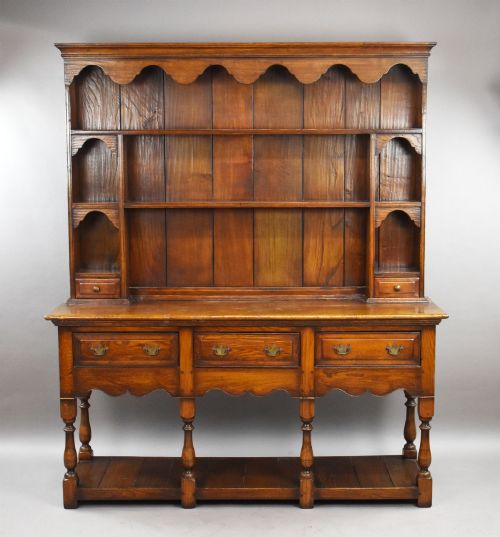
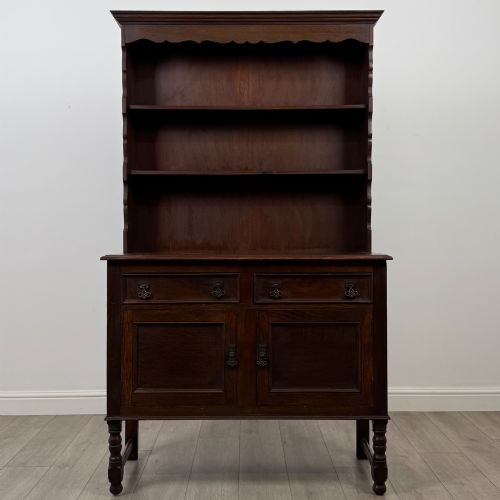
- A two-part kitchen furniture form combining a lower base of cupboards or drawers with an open plate rack tiered on top. They are traditionally constructed from oak or pine.
- Bakers rack
- An industrial or commercial metal and wooden shelving unit used in food preparation. French examples often incorporate sturdy iron frames.
Rustic Wooden Shelving: Frequently Asked Questions
How do I date rustic wooden shelving?
Dating relies on timber species, construction joints, and surface wear patterns. Eighteenth-century pieces frequently utilise heavy oak boards with hand-planed surfaces.
Later Victorian and Edwardian examples often feature machined pine or ash with simpler joint techniques.
Are these shelves strong enough for heavy books?
Solid hardwood bookcases in oak or walnut easily support substantial rows of heavy volumes. Pine units handle general household books, though older sagging shelves may require minor internal bracing.
Can I hang wall shelves on drywall?
Hanging heavy timber wall shelves requires locating solid timber studs behind drywall. Using appropriate structural fixings ensures safe support for the weight of the wood and stored items.
How should I clean antique painted surfaces?
Maintenance requires only a soft, dry cloth to remove dust from delicate painted or waxed wood. Water and chemical cleaners should be avoided to protect the original finish.