



Rustic Wooden Plant Table
A rustic wooden plant table brings grounded charm to an interior, offering a sturdy stage for greenery using honest timber and vernacular craftsmanship.
Rustic Wooden Plant Table
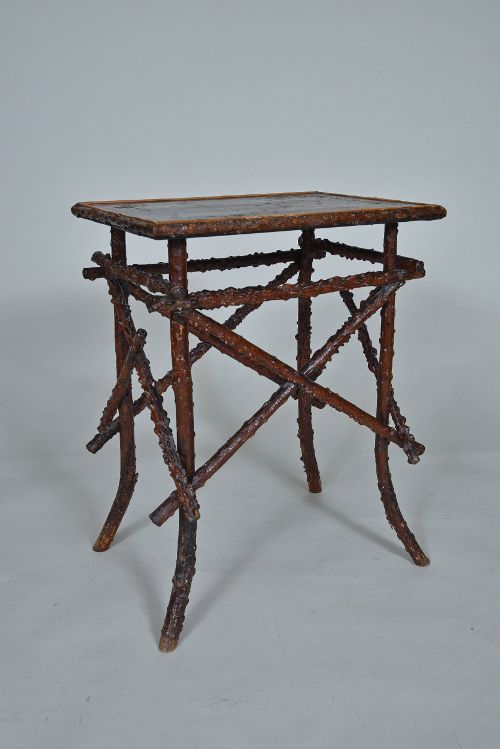
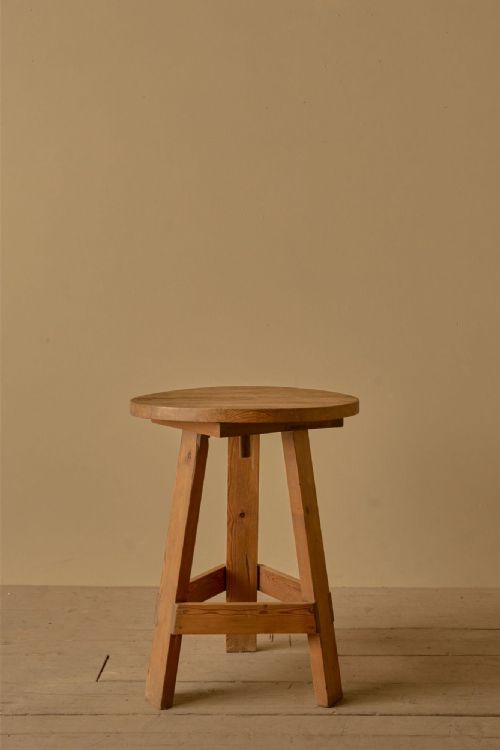
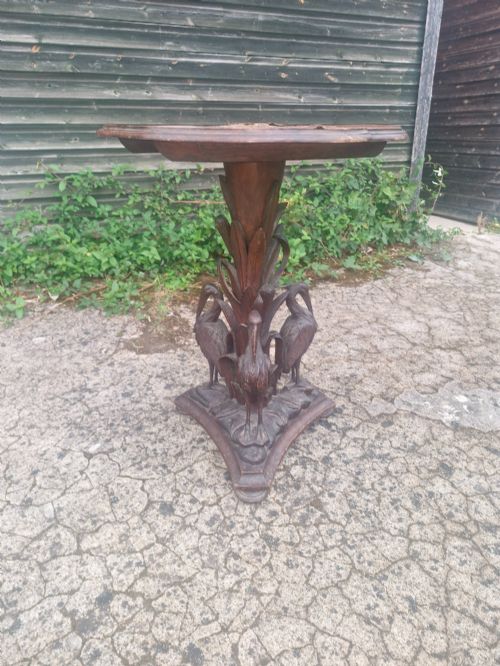
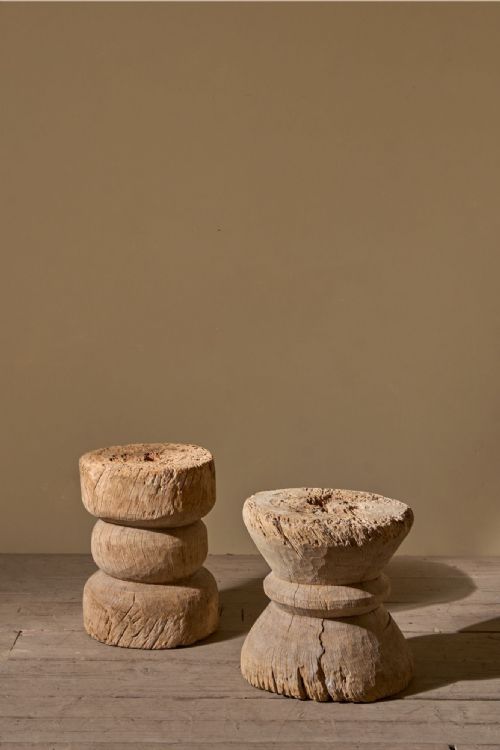
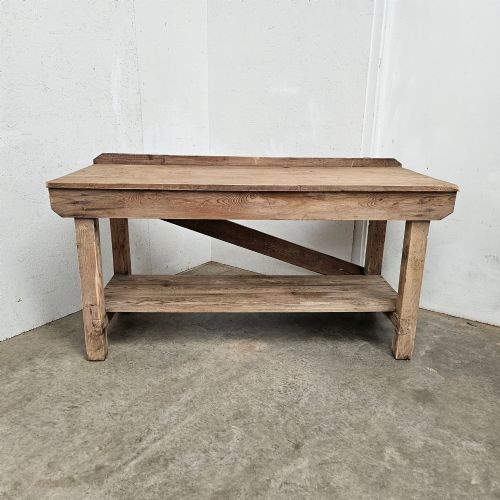
A rustic wooden plant table encompasses small tables, plant stands, stools, and potting tables fashioned from timber with a straightforward, unpretentious character. These items emerge from the nineteenth and early twentieth centuries, spanning periods such as Victorian, Edwardian, and the 1920s and 1930s. The selection relies heavily on vernacular country designs and folk art sensibilities rather than formal court furniture.
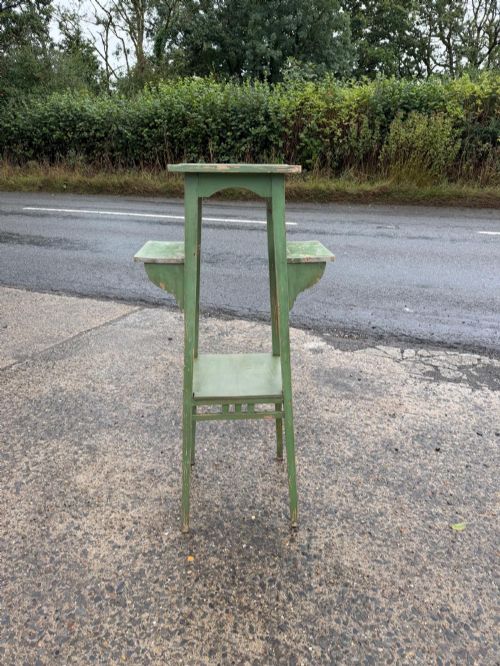
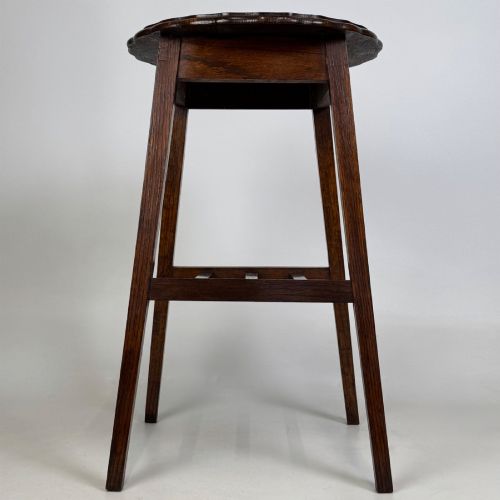
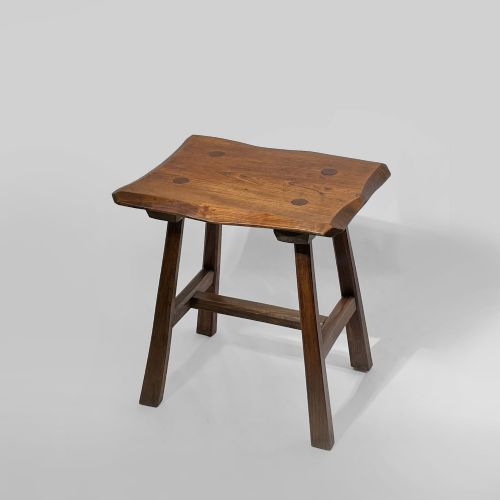
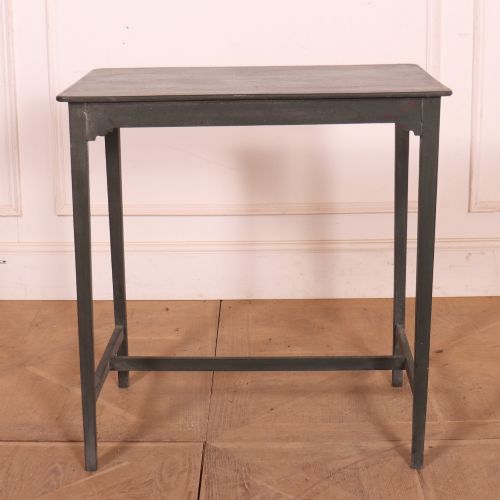
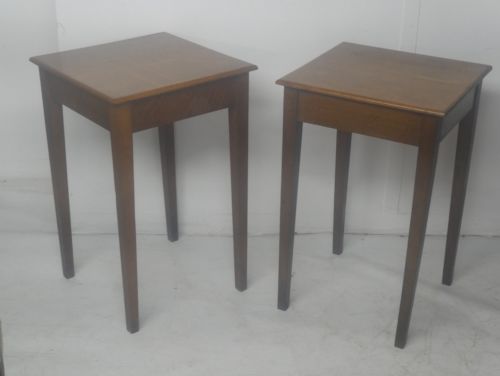
Most examples function equally well as side tables, lamp tables, or occasional pedestals depending on their height and surface area. Forms include tripod cricket tables, jointed stools, small side tables, and specialised plant stands or torchiere supports. Origins range across English, Scottish, French, and wider continental traditions, maintaining a practical domestic purpose.
Makers often utilised whatever timber was close to hand, resulting in versatile pieces that transition easily from garden rooms and conservatories to sitting rooms. Buyers find everything from low stools to taller pedestals, each designed to elevate plants or objects above the floor.
What varies in quality
Quality rests in the integrity of the timber and the honesty of the construction, where substantial oak or figured elm commands attention over softer, more utilitarian pine. The distinction often lies in the balance between decorative flourishes, such as carved details or bobbin turning, and the pure structural utility of a simple chopping block or garden table. Original surface treatments, including untouched historic paint or aged patination, elevate a piece above later stripped examples.
Proportion and stability determine the success of these smaller tables, as tripod bases and triangulated stools must stand firm despite uneven rustic construction. The skill of the vernacular maker shows in how neatly joints fit and how gracefully natural live edges or twig work integrate into a functional form.
Rustic Wooden Plant Table Retail Price Guide 2026
Typical asking prices for rustic wooden plant table among the pieces listed under this phrase on Sellingantiques today, from the lower quarter to the upper quarter. They describe what is for sale here now, not the wider market.
The Rustic Wooden Plant Table Glossary
- Live edge
- A method of woodworking that incorporates the natural outer edge of the tree into the design of the furniture. This preserves the organic contour of the trunk within a functional tabletop or stool seat.
- Bobbin turned
- Furniture legs or stretchers shaped on a lathe to resemble a series of rounded wooden beads or spools linked together. This decorative turning style appears frequently on nineteenth-century vernacular seating and small tables.
- Torchiere
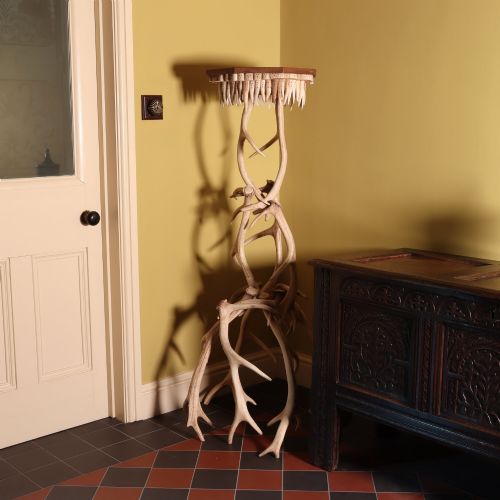
- A tall stand historically designed to hold a torch or lamp, adapted over time to support large potted plants or floral arrangements. These slender pedestals elevate greenery to eye level in a room.
- Vernacular
- Architecture and furniture built by local craftsmen using traditional methods and regional materials without academic architectural influence. Such pieces reflect the practical needs of rural communities rather than metropolitan fashion.
Rustic Wooden Plant Table: Frequently Asked Questions
What is a rustic wooden plant table?
A rustic wooden plant table is a small, sturdy piece of furniture designed to hold plants, lamps, or decorative items, built from solid timbers with country character.
These items draw on nineteenth and early twentieth-century vernacular traditions, offering functional surfaces through simple carpenter work and organic materials.
Where should I place a plant stand?
These compact stands suit corners, hallways, conservatories, and garden rooms where natural light supports potted plants or trailing foliage.
Their modest footprints allow them to function as flexible side tables or lamp supports when not holding greenery.
How do I care for antique timber?
Keep wooden surfaces away from direct heat sources and extreme humidity fluctuations to prevent the natural timber from splitting or warping.
Apply occasional beeswax or suitable furniture polish to nourish the grain and preserve the historic patination accumulated over the decades.
How do I identify a Victorian piece?
Nineteenth-century examples often display heavy solid construction in oak, pine, or elm, showing hand-tool marks and traditional pegged joinery.
Stylistic cues include Jacobean revival turning, Gothic revival lines, or folk art applications like carved twigs and original paint finishes.