




Rustic Wooden Pantry
A rustic wooden pantry brings honest utility and enduring warmth to a kitchen, offering practical storage grounded in traditional craftsmanship.
Rustic Wooden Pantry
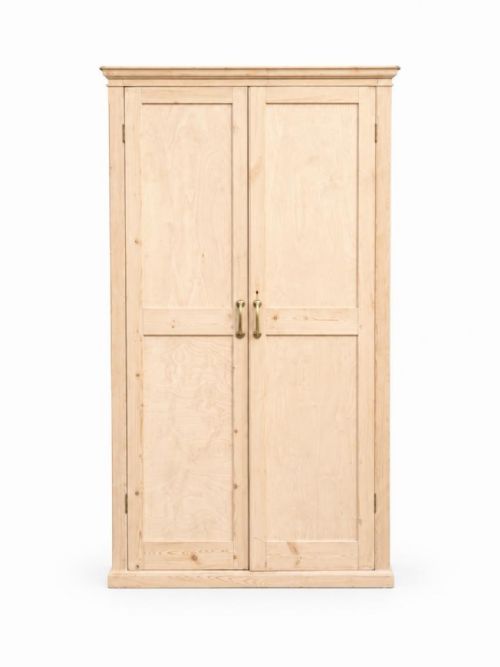
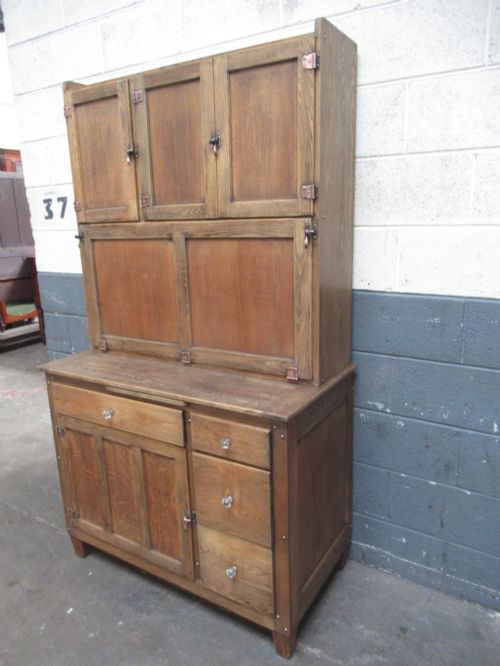
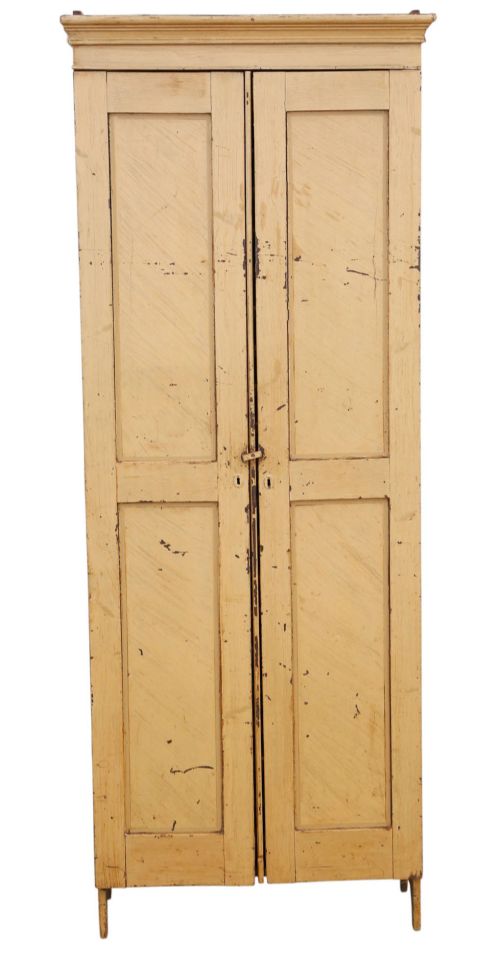
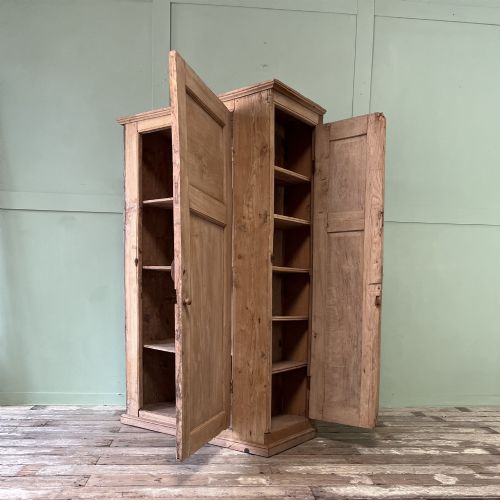
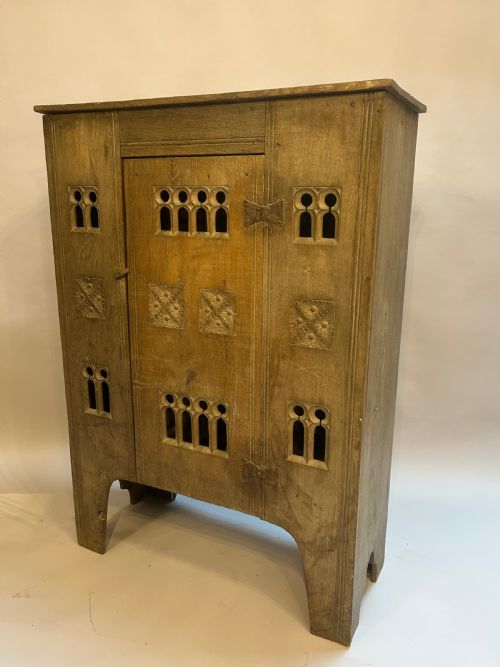
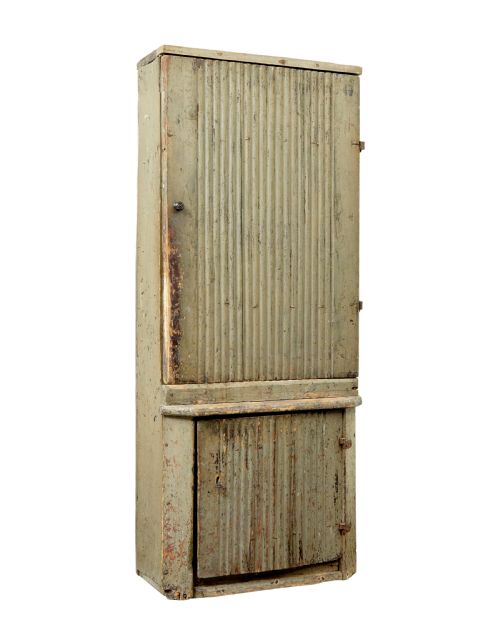
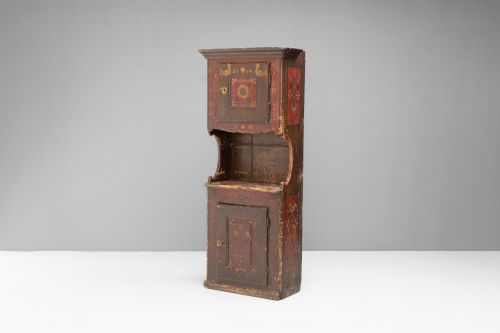
A rustic wooden pantry serves as a traditional storage piece, encompassing tall cupboards, housekeeper's larders, and kitchen cabinets designed for domestic provisions. These items emerge primarily from the nineteenth and eighteenth centuries, reflecting regional European and Scandinavian vernacular traditions.
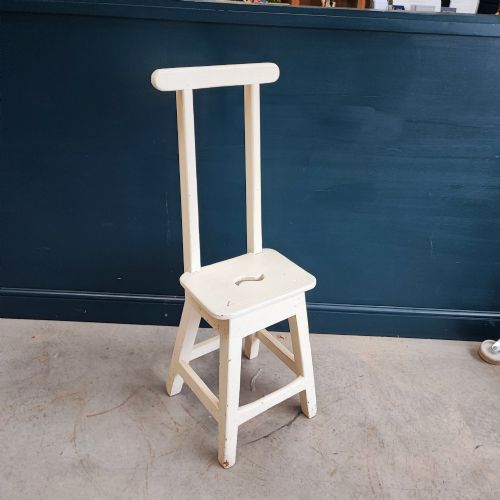
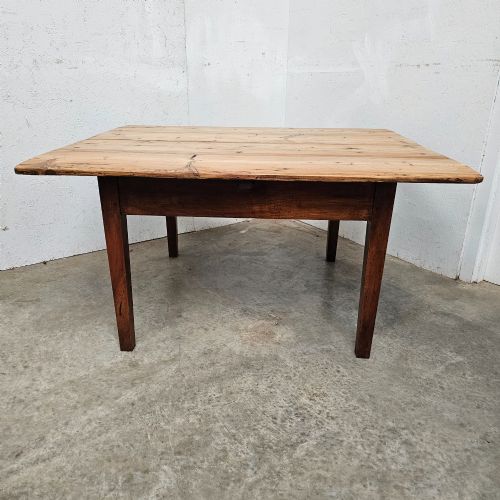
Buyers encounter various utilitarian forms on this page, ranging from grand Baltic and Welsh food cupboards to low scrub top tables and painted pine storage units. Each piece demonstrates the straightforward construction methods developed to keep household goods organised.
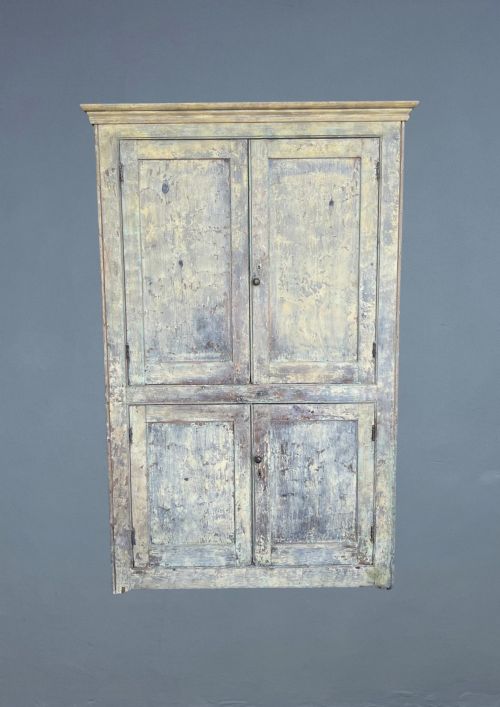
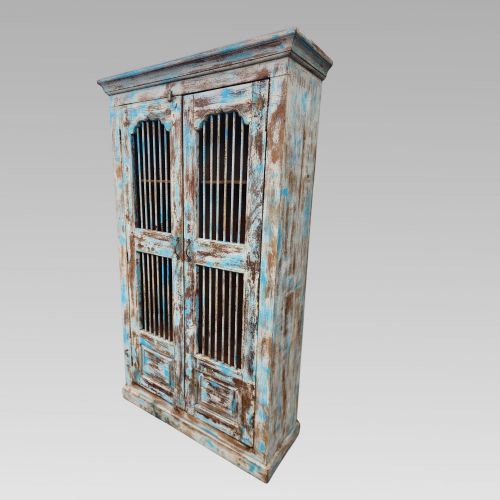
Origins stretch across English, French, Scandinavian, and Indian workshops, showing how different communities utilised local timber for daily storage needs. The selection centres heavily on pine and elm constructions, often finished with original or historic painted surfaces.
How they were made
Carpenters constructed these cupboards using solid native timbers such as pine, elm, and fruitwood, selecting softwoods and hardwoods according to regional availability. Boards were joined simply with traditional fixings, while iron and brass hardware provided sturdy hinges and latches for daily use.
Surfaces frequently received layers of paint or milk-based finishes to protect the wood and brighten utilitarian spaces, though many examples retain exposed scrubbed tops. Cabinet makers relied on straightforward panel and frame construction to ensure the furniture withstood heavy domestic demands over generations.
Rustic Wooden Pantry Retail Price Guide 2026
Typical asking prices for rustic wooden pantry among the pieces listed under this phrase on Sellingantiques today, from the lower quarter to the upper quarter. They describe what is for sale here now, not the wider market.
Listings span nineteenth-century Scandinavian, English, and Indian vernacular traditions, alongside eighteenth-century Welsh examples.
What varies in quality
Quality rests in the integrity of the original timber and the survival of early or untouched painted surfaces, which reveal how a piece aged within a working kitchen. Well-proportioned scaling and balanced architectural details distinguish finer regional vernacular items from simpler utility pieces.
Construction robustness defines the upper tier, where drawer linings, door frames, and backboards remain intact and unaltered by later interventions. The character of the hardware, including period brass or iron handles and hinges, adds significant merit to the overall integrity.
The Rustic Wooden Pantry Glossary
- Vernacular
- Everyday furniture made by local craftsmen for regional use rather than high-style urban production. These pieces prioritise practical function over academic design.
- Housekeeper's cupboard
- A large storage piece traditionally used in manor houses for linens and dry goods, featuring multiple doors and internal shelving. They often combine upper and lower storage compartments.
- Scrub top
- A plain wooden tabletop designed to be repeatedly scoured clean with water and sand. This treatment leaves a pale, smooth finish on the grain.
- Pine
- A softwood commonly utilised in country furniture for its accessibility and workability. It accepts paint readily and forms the primary material for many traditional cupboards.
- Elm
- A tough, interlocking hardwood valued for its resistance to splitting, frequently chosen for tabletops and country seating. It possesses a distinctively rich, figured grain.
Rustic Wooden Pantry: Frequently Asked Questions
What is a rustic wooden pantry used for?
These cupboards provide substantial storage for kitchen provisions, dry goods, and tableware in contemporary or traditional homes. Their deep shelves and tall frames accommodate bulky kitchen items with ease.
Historically, they kept foodstuffs cool and secure from pests before modern refrigeration existed. Today, they serve equally well as functional kitchen larders or prominent linen storage units.
How do I care for a painted pine cupboard?
Dust the surface regularly with a soft, dry cloth to prevent dirt accumulation on historic paintwork. Avoid modern chemical polishes that might soften or damage old finishes.
Maintain a stable room temperature to protect the timber from excessive moisture or drying out. Gentle beeswax can be applied sparingly to unpainted wooden sections if needed.
Are these cupboards suitable for small kitchens?
Many tall and narrow configurations fit into compact kitchen layouts while offering maximum vertical storage capacity. Measuring available floor space and ceiling height ensures the chosen piece integrates smoothly.
Selecting a design with shallow depth prevents the furniture from projecting too far into walkways. Larder cupboards with well-organised internal shelving make efficient use of limited footprints.
How do I identify a nineteenth-century pine cupboard?
Examine the timber boards for hand-sawn marks, irregular thicknesses, and signs of age-related oxidation. Construction methods typically feature traditional joints and hand-forged iron or brass hardware.
Historic painted finishes often show natural crackling and wear patterns that indicate genuine age. The presence of pegged joints and older screw types further supports nineteenth-century origins.