




Rustic Wooden Crates
Rustic wooden crates offer honest utility and rugged charm, bringing tactile warmth and practical storage to any room.
Rustic Wooden Crates
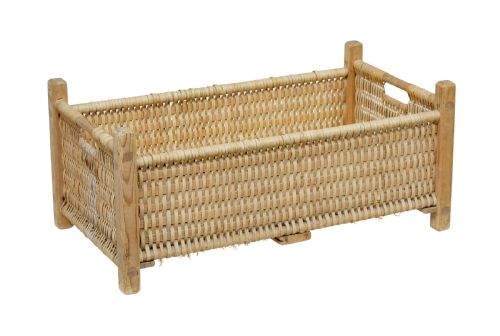
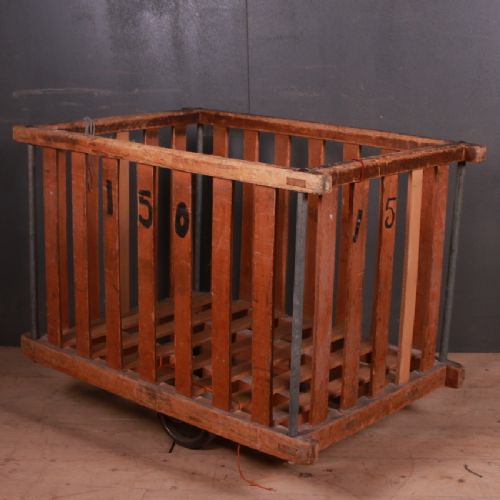
When searching for rustic wooden crates, buyers encounter utilitarian forms originally built for daily toil rather than display. These pieces encompass sturdy log baskets, storage chests, and apple racks designed to serve hardworking rural environments.
The versions most commonly met on this page span the nineteenth century up to nineteen-twenty, reflecting Scandinavian, French, and Victorian country traditions. They arrive in forms such as woven pine baskets, iron-banded log bins, and solid timber ammunition cases.
Each item bears the marks of its working past, whether shaped for holding firewood or carrying orchard fruit. Collectors value this direct connection to historical utility, where simple construction meets enduring structural strength.
Materials and construction
Construction relies heavily on durable pine and oak timbers, selected for their ability to withstand heavy loads and constant handling. Carpenters and rural makers shaped these woods into solid boxes and frames using straightforward joinery.
Metal reinforcement frequently appears in the form of iron bands, steel strapping, and metal binding. These industrial additions protected corners and joints, ensuring the containers endured decades of demanding agricultural and domestic use.
Some nineteenth-century French grape bins retain the faint aroma of harvests past tucked away in their timber grain.
Evaluating quality and character
Quality rests in the integrity of the timber and the honesty of the surviving hardware. Pieces retaining their original iron bands and sturdy structural frames demonstrate superior durability.
Surface character distinguishes finer examples, where natural grain shows through remnants of old paint or decades of patination. The tightness of the weave in woven wood splint items also signals the maker's skill.
The Rustic Wooden Crates Glossary
- Pine
- A softwood commonly used for nineteenth-century country furniture and storage boxes. It provides a light base that takes surface patination well over time.
- Oak
- A dense hardwood valued for structural framing and heavy-duty agricultural containers. Its strength ensured long operational lifespans in farm settings.
- Iron Banded
- Describes storage trunks and log bins reinforced with metal straps around the edges and corners. This technique added necessary rigidity to working containers.
- Wood Splint
- Thin strips of timber woven together to create flexible yet sturdy baskets. This traditional technique formed lightweight containers for farm produce and fuel.
- Patina
- The surface sheen and colour acquired by wood through age, handling, and exposure. It serves as a visual indicator of a piece's history.
Rustic Wooden Crates: Frequently Asked Questions
How were these crates originally used?
These items served demanding domestic and agricultural roles on farms and in country houses. They transported firewood, stored ammunition, and held orchard harvests like apples and grapes.
Their robust design allowed them to withstand heavy daily labour rather than sitting idle as decorative objects. Over decades, their practical utility naturally transitioned into functional home storage.
What woods should I expect to find?
Construction primarily utilises pine and oak, depending on the regional origin and intended purpose. Pine offers a lighter framework seen in Scandinavian and country pieces, while oak provides heavier structural support.
Iron and steel bands frequently reinforce these timbers to prevent splitting under heavy loads. Painted finishes also appear, preserving the wood beneath.
How do I date these pieces?
Dating relies on observing construction methods, material wear, and structural hardware. Items catalogued here largely date from the nineteenth century through to nineteen-twenty.
Hand-woven elements and forged iron bindings point toward earlier nineteenth-century rural craftsmanship. Standardised metal fittings and solid ammunition cases often indicate the later end of this timeline.
How do I care for rustic timber?
Maintenance requires keeping the wood away from extreme humidity and direct heat sources that can cause timber to split. Dusting with a dry cloth preserves the historical surface patination without stripping away character.
Applying occasional natural wax helps nourish dry antique pine and oak. Avoid harsh modern chemical cleaners that might damage aged painted or bare wood surfaces.