






Rustic Wooden Coat Rack
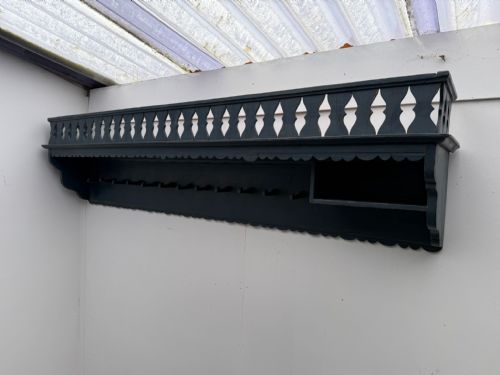
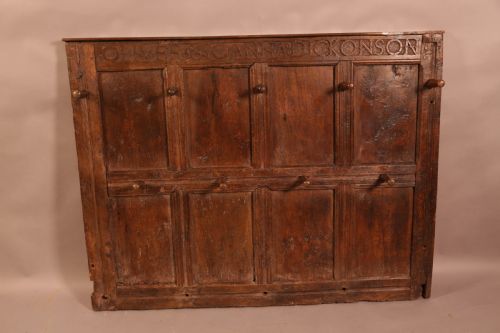
These rustic wooden coat rack pieces bring practical utility and character to an entrance hall, ranging from country pine boards to carved Black Forest animal designs.
Rustic Wooden Coat Rack
When you search for a rustic wooden coat rack, you encounter a practical entranceway fixture designed to hold outerwear and hats using natural timber. These pieces span wall-mounted boards with metal hooks to larger hall stands incorporating mirrors, benches, or umbrella storage.
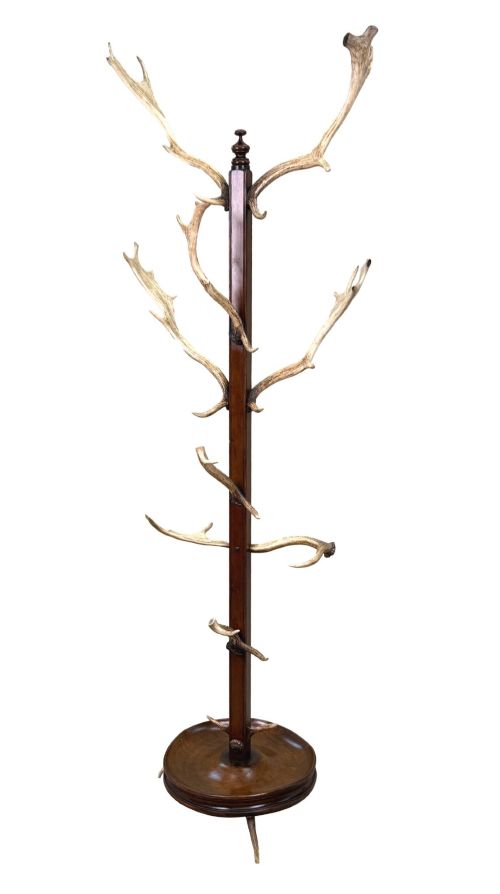
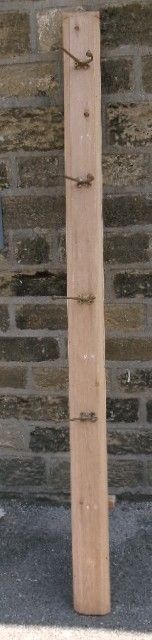
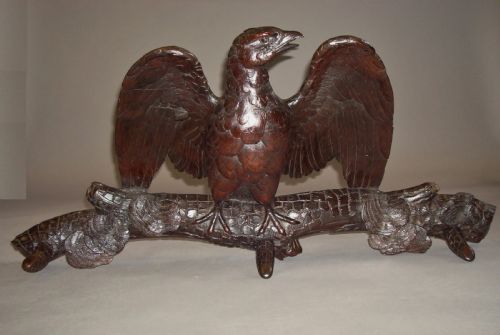
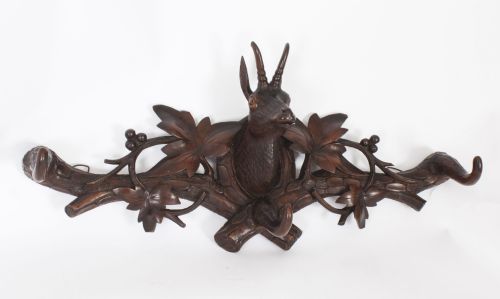
The versions most commonly met on this page range from simple nineteenth-century pine backboards fitted with brass hooks to elaborate carved Black Forest animal designs featuring bears, foxes, and eagles. Oak and pine predominate, alongside occasional walnut and linden wood examples showing regional European styles.
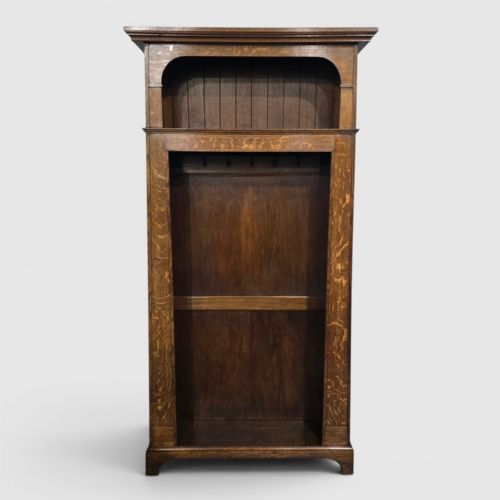
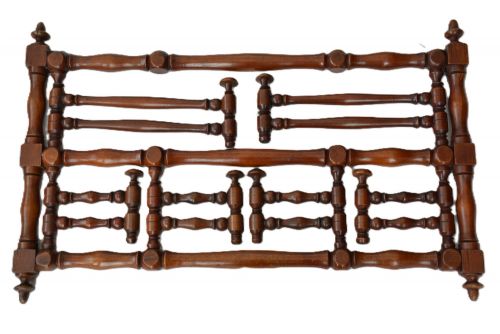
Forms include straightforward wall panels, hanging rails, and hat shelves alongside substantial freestanding hall robes. They draw on design traditions from the Victorian period, Arts and Crafts movement, French provincial workshops, and Hungarian country houses.
How they were made
Makers utilised solid timbers such as oak, pine, and linden wood, often left with a natural waxed finish or painted in regional colours like blue. Carpenters joined backboards using traditional tongue-and-groove or pegged joints designed to support the weight of heavy winter garments.
Carving defines the more elaborate pieces, particularly the high-relief animal heads and foliage associated with Black Forest workshops. Iron, brass, and genuine cow horns or horn components were securely fastened to the wooden backs to serve as functional hooks.
Rustic Wooden Coat Rack Retail Price Guide 2026
Typical asking prices for rustic wooden coat rack among the pieces listed under this phrase on Sellingantiques today, from the lower quarter to the upper quarter. They describe what is for sale here now, not the wider market.
Listings feature woods including oak, pine, linden wood, and carved hardwood, alongside iron, glass, and cow horn elements.
What varies in quality
The standard of carving sets the character of figurative pieces, where depth, anatomical precision, and expressive detail in animal subjects separate workshop masterworks from simpler output. Wood selection and grain figure prominently in simpler boards, where dense old-growth pine or quarter-sawn oak retains stability over centuries.
Original hardware integrity also dictates worth, as matching period brass hooks, iron brackets, and intact horn mounts maintain the historical coherence of the piece. Construction depth matters significantly, distinguishing simple utilitarian wall laths from architectural hall stands with integrated shelves and panels.
The Rustic Wooden Coat Rack Glossary
- Black Forest carving
- Highly detailed woodwork originating from central Europe, typically depicting naturalistic animals such as bears, chamois goats, and eagles intertwined with foliage. These pieces often incorporate functional hooks and umbrella stands.
- Hall stand
- A large freestanding entranceway item combining a coat rack, hat shelf, mirror, and often a seat or glove box. They were popular in grand Victorian and Edwardian homes.
- Backboard
- The vertical wooden panel attached to a wall that supports the metal or horn hooks of a coat rack. It protects the plasterwork from wet garments.
- Arts and Crafts
- A design movement prioritising traditional craftsmanship, visible construction, and simple forms using natural materials like solid oak and pine. Pieces from this tradition avoid excessive factory ornamentation.
Rustic Wooden Coat Rack: Frequently Asked Questions
How do I mount an old wooden coat rack safely?
Check the spacing of the original fixing holes and ensure your wall screws align with timber studs or use heavy-duty wall anchors suitable for the weight of the timber and future garments.
Because antique woods and backboards can be brittle, pre-drilling and using washers helps distribute pressure evenly across the aged material without splitting the grain.
What is the difference between a hall stand and a coat rack?
A coat rack is typically a wall-mounted board or rail fitted with hooks, designed to save floor space in compact entranceways. Hall stands are larger, freestanding architectural furniture pieces that often include mirrors, umbrella wells, and benches.
Both serve the same primary purpose of organising outerwear, but hall stands function as substantial items of furniture rather than simple wall fixtures.
How do I care for antique pine and oak furniture?
Dust the timber regularly with a soft, dry cloth and apply a quality beeswax periodically to nourish the dry wood and maintain a soft sheen. Avoid placing wooden coat racks near direct heat sources or damp areas, which can cause the timber to warp or split.
Keep painted surfaces clean with mild, non-abrasive cleaners to preserve original pigments.
How can I tell a Victorian rack from an earlier piece?
Victorian pieces frequently utilise machine-sawn pine, turned brass double hooks, and applied decorative mouldings reflecting industrial production methods alongside hand finishing. Eighteenth-century and earlier oak racks typically display wider boards, hand-planed surfaces, and pegged joinery.
Examining the nail types, saw marks on the reverse, and wear patterns around the hook screw holes helps indicate the age of the timber.