


Rustic Wooden Board
When you search for a rustic wooden board, you are looking at utilitarian timber surfaces shaped by age, friction, and daily kitchen or agricultural labour.
Rustic Wooden Board
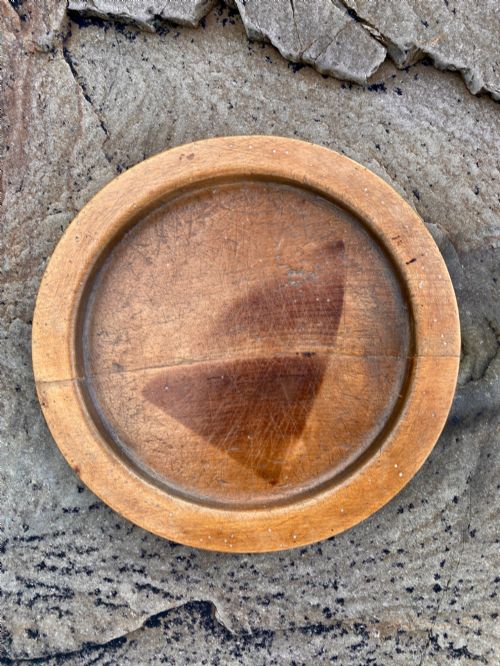
A rustic wooden board encompasses large functional kitchen surfaces, dough boards, bread boards, and cheese boards shaped from solid timber during the eighteenth and nineteenth centuries. These pieces were built strictly for utility in domestic spaces, domestic kitchens, and farmhouses across Britain, France, and Scandinavia.
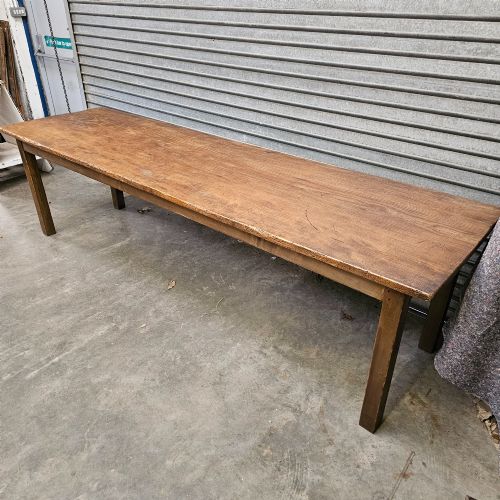
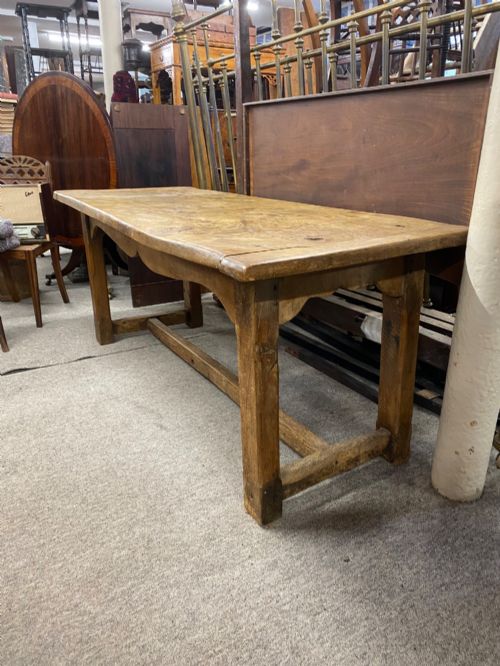
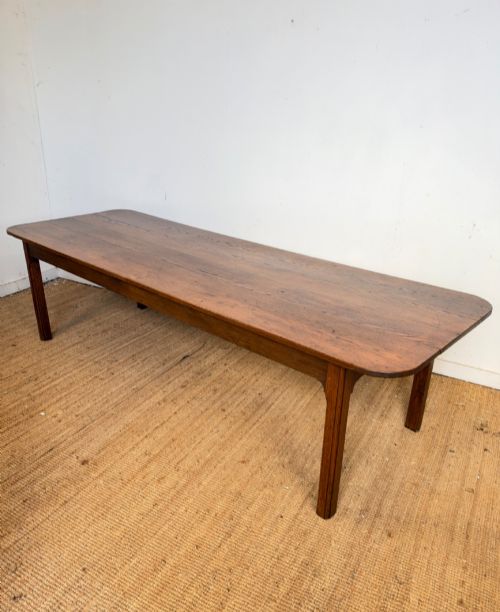
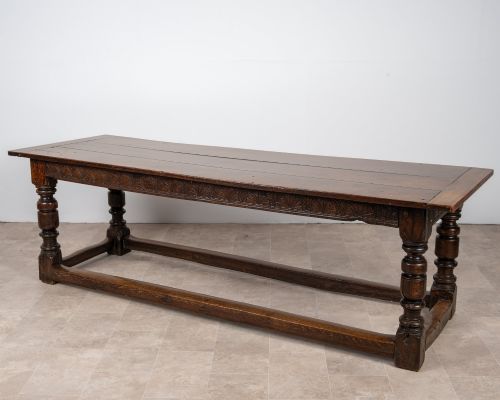
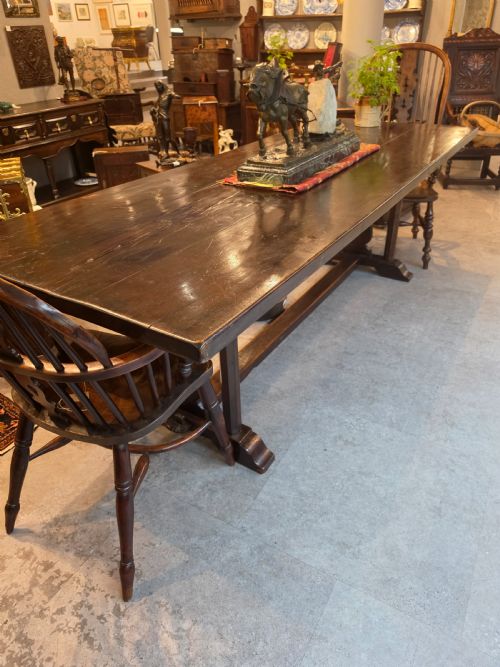
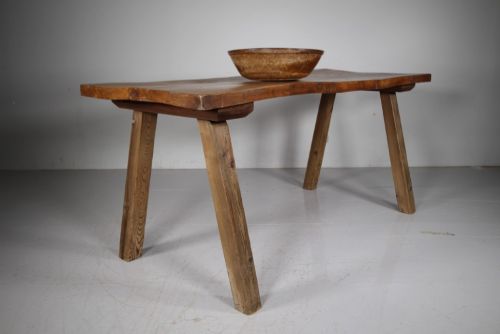
The most common examples on this page are substantial nineteenth-century pine dough boards, elm farmhouse table tops, and traditional bread boards designed for heavy domestic labour. They display the plain construction and honest wear associated with vernacular country life and rural preparation areas.
What separates the best examples
Quality in a rustic wooden board rests upon the integrity of the original timber and the depth of its honest surface patination. Pieces that retain their genuine uncompromised boards, original fixings, and untouched historic finish stand far above those stripped bare or excessively cleaned.
The balance between structural survival and visible age dictates value in these utilitarian objects. A board that clearly records its working life through surface wear without modern intervention possesses the authenticity collectors seek.
Rustic Wooden Board Retail Price Guide 2026
Typical asking prices for rustic wooden board among the pieces listed under this phrase on Sellingantiques today, from the lower quarter to the upper quarter. They describe what is for sale here now, not the wider market.
The Rustic Wooden Board Glossary
- Patina
- The surface sheen and colour acquired by wood through decades of handling, cleaning, and exposure to light. It is the visible sign of age that cannot be artificially replicated.
- Dough board
- A large wooden board utilised for kneading bread dough in domestic kitchens and farmhouses. These items are typically fashioned from thick pine or elm.
- Vernacular
- Architecture or objects made by traditional local makers using regional materials for everyday use, without academic stylistic pretension. Welsh and Scandinavian vernacular pieces dominate this category.
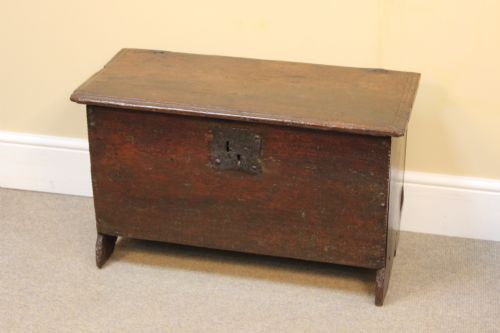
- Six-plank coffer
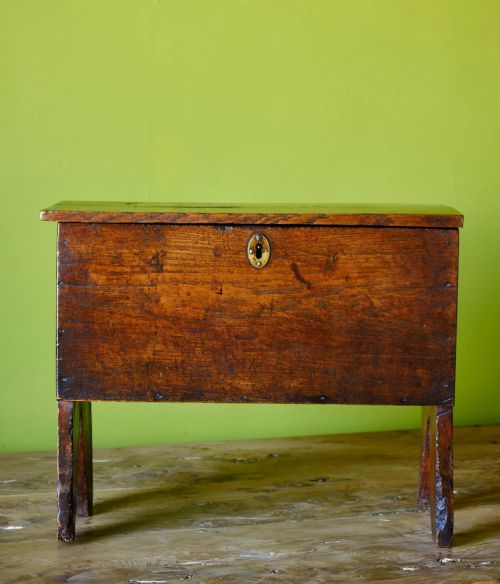
- A primitive chest constructed from six individual boards joined with pegging or dovetails. This form represents some of the earliest domestic storage in oak and elm.
Rustic Wooden Board: Frequently Asked Questions
What were rustic wooden boards used for?
These boards served practical domestic and agricultural purposes such as kneading bread dough, slicing cheese, and preparing daily meals in farmhouses.
They were work surfaces designed for heavy handling rather than display, which accounts for the deep knife marks and surface wear found on genuine examples.
How do I clean an antique wooden board?
Maintenance requires only a dry cloth or a slightly damp sponge to remove dust without stripping the historic surface oils.
Harsh detergents, modern chemical polishes, and soaking in water must be avoided because they damage the natural patina and dry out the timber.
How can I tell pine from elm?
Pine is a softwood with a straight grain and a paler, knotty appearance that yellows gently with age and exposure to light.
Elm is a tougher hardwood characterised by a distinctive interlocking grain pattern and a heavier weight, often showing rich brown tones.