








Rustic Wooden Bin
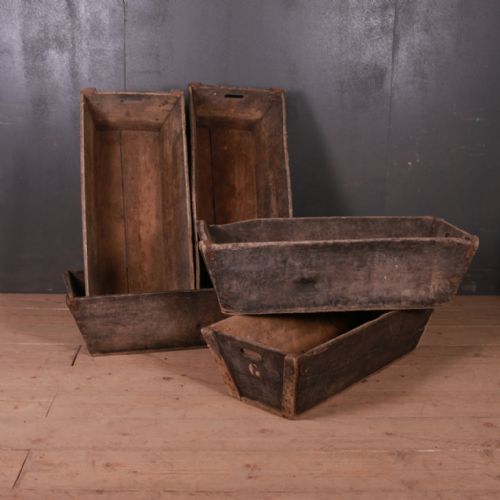
A rustic wooden bin is a utilitarian vessel built to hold grain, dough, or fuel, prized for its honest timber construction and tactile surface.
Rustic Wooden Bin
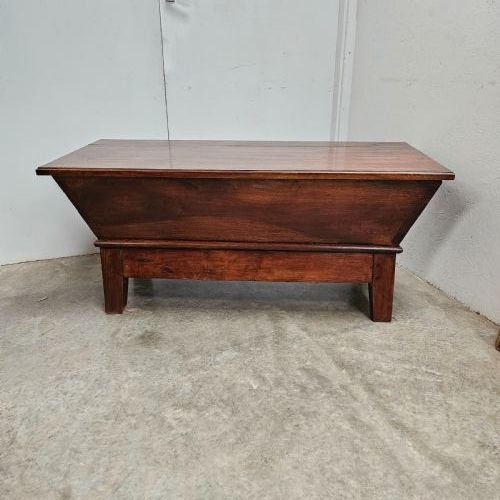
A rustic wooden bin encompasses practical household containers designed for storage, ranging from deep dough troughs and flour arks to fireside log boxes and coal bunkers. These pieces originate across various regional traditions, including Welsh vernacular work, Scandinavian country pieces, and French provincial styles.
The selections encountered here span multiple centuries, reaching back to the seventeenth century through the Georgian era and across the nineteenth century. Common domestic forms take shape as dough bins, log baskets, chests, and solid coffers built for heavy daily use.
Makers built these vessels to serve specific rural tasks rather than for display, resulting in honest proportions and sturdy architectural forms. The surviving examples display the functional marks of agricultural and domestic life across Britain, France, and Scandinavia.
How they were made
Local timbers dictate the construction, with solid oak, pine, elm, and walnut forming the heavy plank bodies of these vessels. Carpenters selected woods based on local availability, utilising durable oak and elm for structural integrity alongside softer pine for domestic boxes.
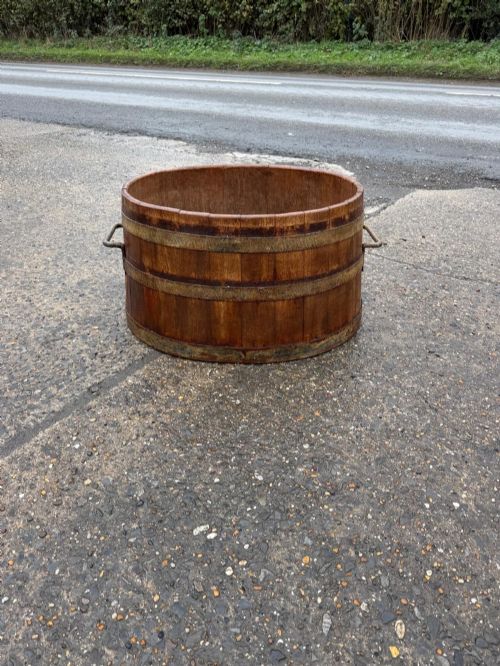
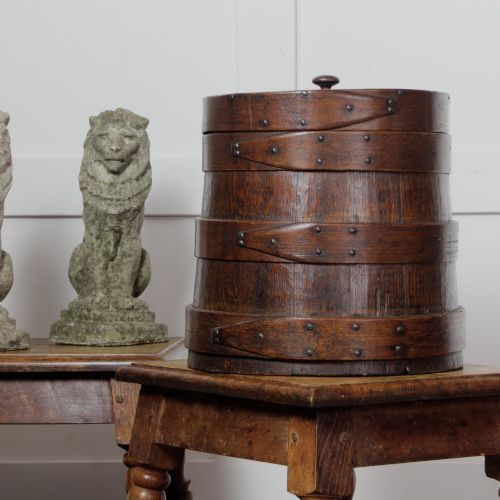
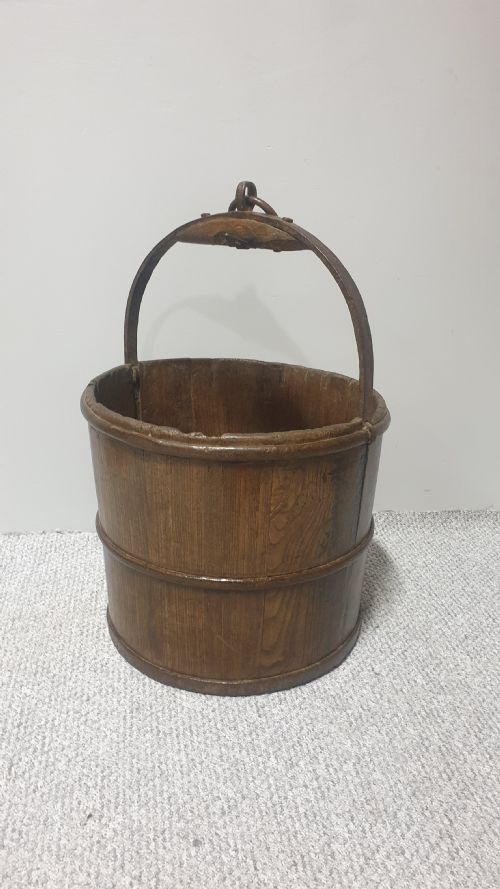
Iron bands, strap hinges, and forged nails frequently reinforce the timber joints to withstand heavy loads of grain, flour, or logs. Some examples utilise dug-out tree trunks shaped directly from single timbers, whilst others rely on pegged board construction and exposed dovetails.
Rustic Wooden Bin Retail Price Guide 2026
Typical asking prices for rustic wooden bin among the pieces listed under this phrase on Sellingantiques today, from the lower quarter to the upper quarter. They describe what is for sale here now, not the wider market.
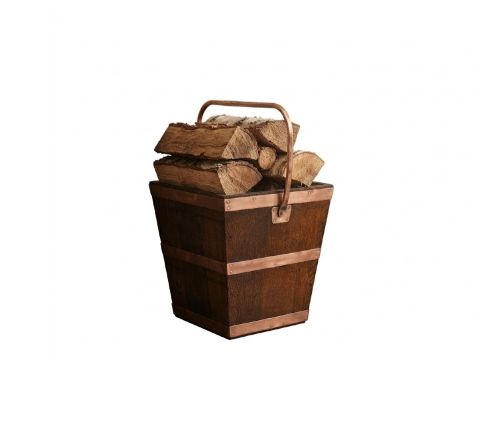
Some old log bins double as mobile trolley units, proving that nineteenth-century domestic staff appreciated indoor convenience just as much as modern ones.
What varies in quality
Structural integrity and the retention of original surfaces separate basic utilitarian boxes from superior examples. Pieces that retain their early or original paint finishes, patinated timber surfaces, and untruncated proportions command greater appreciation.
The sophistication of the joinery and the integration of forged iron hardware contribute to the overall character of each vessel. Simpler vernacular pieces rely on honest, direct carpentry, whilst regional variations show distinct regional carpentry traits.
The Rustic Wooden Bin Glossary
- Dough bin
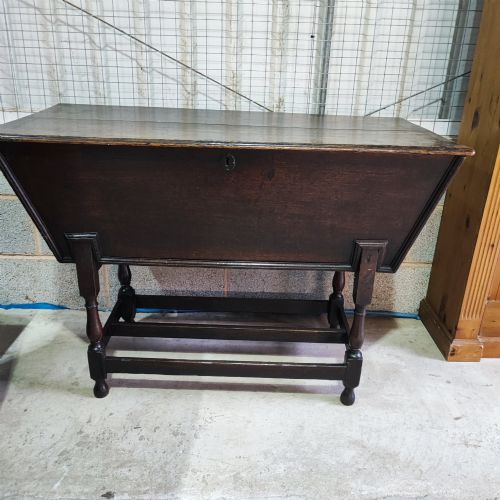
- A domestic trough used for proving bread dough, typically featuring a lidded box elevated on legs or a stand. These vessels double as general storage containers in modern interiors.
- Grain ark
- A deep wooden chest built to store dry grain or flour securely away from dampness and pests. These heavy seventeenth and eighteenth-century pieces represent some of the most robust vernacular joinery.
- Log box
- A sturdy container designed for holding firewood beside a hearth, often reinforced with iron banding or handles. Many examples utilise pine, oak, or walnut.
- Vernacular
- Architecture and furniture built by local craftspeople using traditional regional methods and materials, without academic architectural influence. Welsh and Scandinavian pieces show distinct local characteristics.
- Dug-out
- A vessel formed by hollowing out a single solid tree trunk rather than assembling individual planks. This ancient woodworking technique creates exceptionally heavy and direct forms.
Rustic Wooden Bin: Frequently Asked Questions
How were rustic wooden bins used originally?
These vessels served essential daily functions in rural households, acting as secure storage for dry goods, flour, and baking dough. Hearthside variants held firewood and coal close to the fire.
Over generations, their roles shifted as domestic routines changed, turning functional farm equipment into decorative storage furniture for modern living spaces.
What woods were commonly used?
Carpenters relied on locally available timber, meaning British and French pieces frequently employ oak, elm, and walnut. Scandinavian examples lean heavily towards pine.
Iron fastenings, hinges, and corner brackets were added to reinforce the heavy wooden walls against the strain of dense contents like grain or logs.
How do I care for antique timber bins?
Keep wooden bins away from direct heat sources and dramatic humidity fluctuations to prevent the old timber from splitting or warping. Natural beeswax applied sparingly helps nourish dry surfaces.
Avoid harsh chemical cleaners that can strip away centuries of accumulated patina and surface character.
Can I use a log bin indoors?
These pieces suit indoor placement, functioning effectively as fireside log holders, blanket chests, or general living room storage. Their robust construction handles everyday items easily.
Ensure damp logs are not left directly inside unprotected timber for extended periods to protect the interior base from moisture damage.