
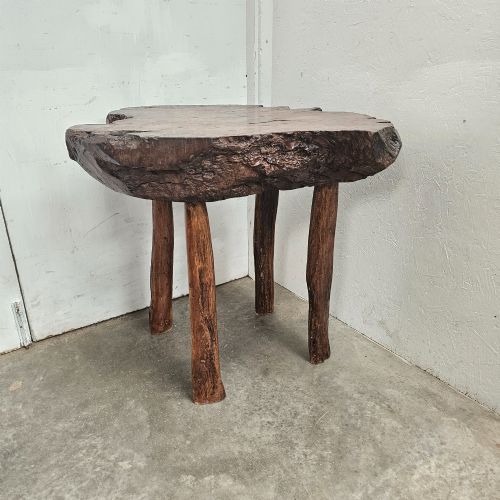


Rustic Wooden Accent Stool
These rustic wooden accent stool options are solid timber pieces built for everyday utility, offering functional seating and small surfaces derived from country traditions.
Rustic Wooden Accent Stool
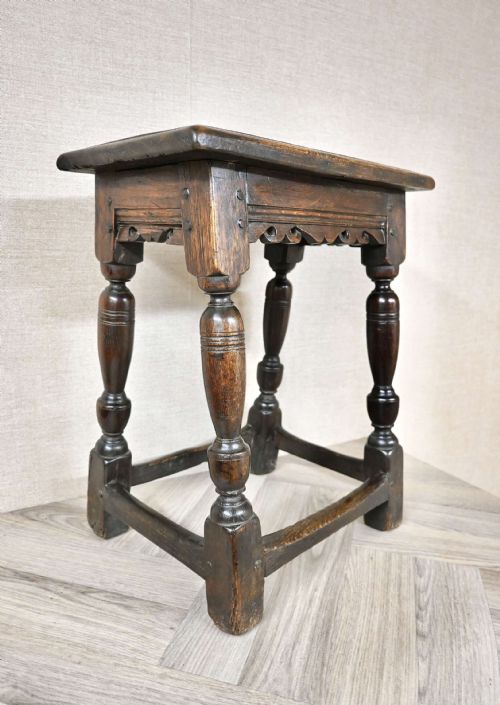
A rustic wooden accent stool serves as an adaptable low seat or compact surface, appearing across this selection in forms ranging from traditional joint stools to low country seating. Buyers searching for a rustic wooden accent stool find pieces designed for utility, originating from periods spanning the seventeenth century through the early twentieth century.
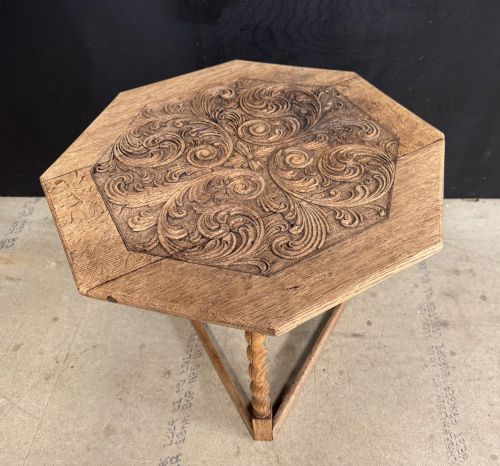
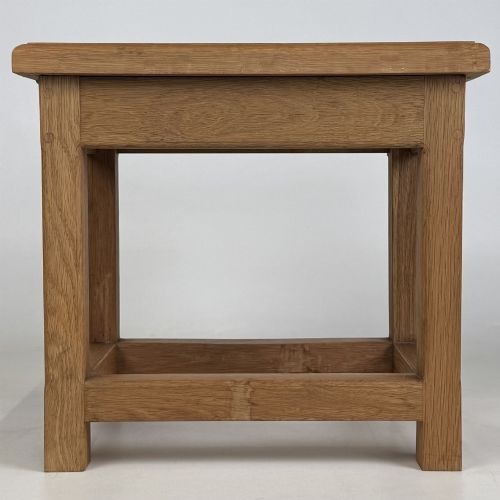
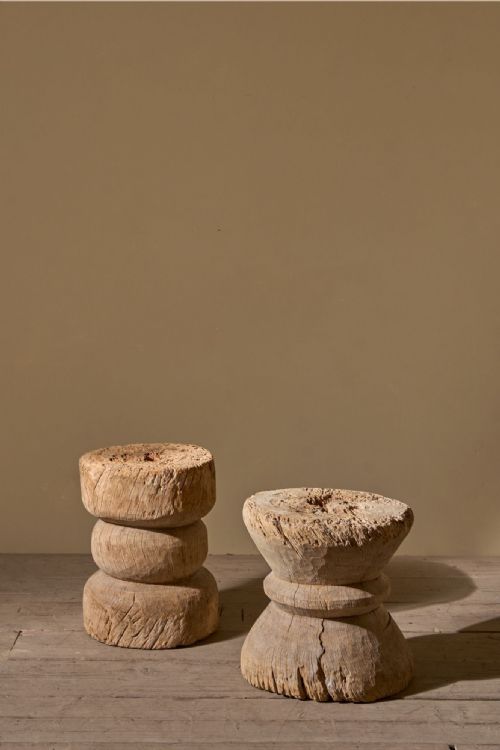
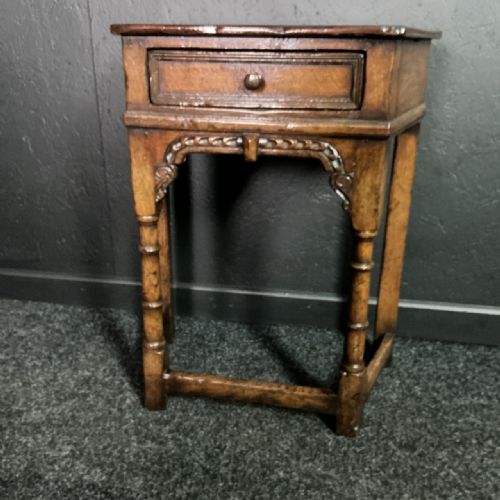
The objects take the form of joint stools, small side tables, occasional tables, and three-legged country stools. Materials lean heavily on solid oak and elm, alongside walnut, ash, Thuya wood, and general hardwoods.
Origins include English country workshops alongside occasional international examples like Chinese occasional tables and African chairs. The common thread is solid wood construction intended for practical domestic use.
How they were made
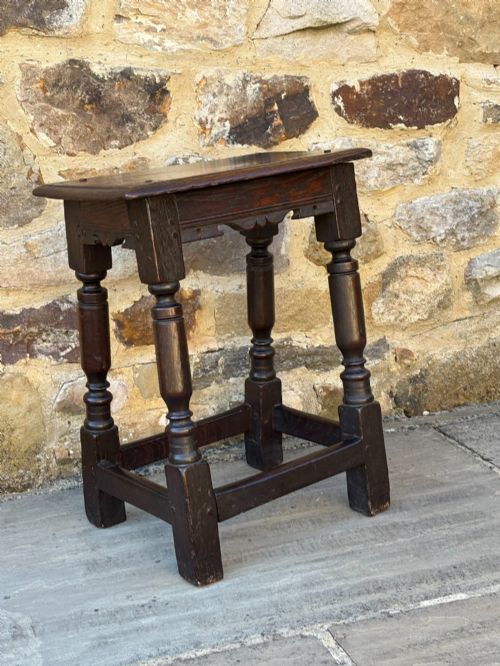
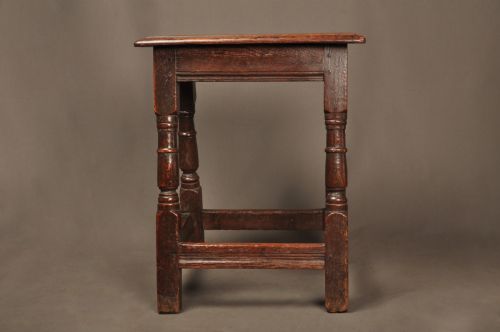
Construction relies on solid timber boards and turned framing, utilising traditional joinery such as mortise and tenon joints to secure the legs to the seat or top. Oak and elm provide the structural backbone for seventeenth and eighteenth-century examples, whilst later pieces incorporate walnut, ash, and various hardwoods.
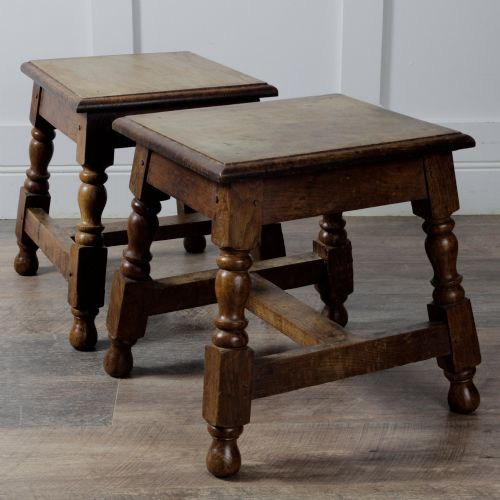
Surface details involve simple shaping, bobbin turning on legs, and primitive jointing methods that reflect vernacular furniture traditions. Makers worked with solid timber to produce sturdy forms capable of withstanding heavy daily use without complex decorative veneer.
Several pieces owe their survival to centuries of being sat on, stood on, and scrubbed clean with soap and water.
What varies in quality
The distinction between ordinary and superior pieces rests on the integrity of the original timber and the restraint of past restoration. Items retain greater character when they exhibit genuine surface wear from centuries of use rather than heavy modern intervention.
Proportion and the honesty of the construction dictate the visual strength of each piece. Well-proportioned joint stools with original pegging and uncompromised timber frames stand apart from heavily altered examples.
The Rustic Wooden Accent Stool Glossary
- Joint Stool
- A sturdy wooden stool constructed with mortise and tenon joints held together by wooden pegs rather than glue. These pieces date predominantly from the seventeenth and eighteenth centuries.
- Vernacular
- Furniture made by local craftsmen for everyday domestic or agricultural use, prioritising function and regional materials over formal academic design styles.
- Bobbin Turning
- A method of woodturning on a lathe that produces a series of rounded spheres or discs resembling bobbins along the length of a furniture leg.
- Thuya Wood
- A fragrant wood derived from the Tetraclinis articulata tree, occasionally utilised for small decorative tables and accent pieces during the nineteenth and early twentieth centuries.
Rustic Wooden Accent Stool: Frequently Asked Questions
Are these stools meant for sitting or display?
These pieces were originally built for practical domestic seating or heavy household tasks. Their sturdy solid timber construction means they continue to function reliably as seats.
At the same time, their compact scale and age make them suitable for use as small side tables or accent surfaces in modern interiors.
How do I identify a seventeenth century joint stool?
Seventeenth century joint stools typically feature heavy oak construction with linear stretchers between the legs and visible wooden pegs securing the joints. The timber displays deep patination accumulated over centuries.
Later revival pieces or nineteenth century copies often show lighter timber weights and mechanical fixings that distinguish them from early work.
Can I use an antique wooden stool in a modern room?
These compact wooden items fit easily beside chairs or beds as small side tables or occasional seating. Their straightforward forms blend naturally with contemporary minimalist or rustic interior schemes.
The varied textures of aged oak, elm, and hardwood introduce warmth and contrast to plain plaster walls and neutral colour palettes.