

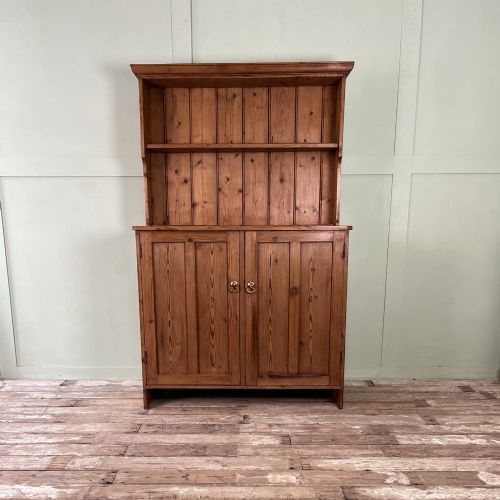
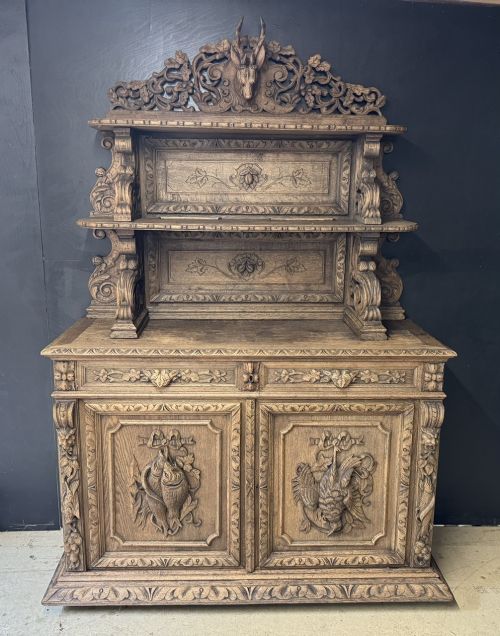
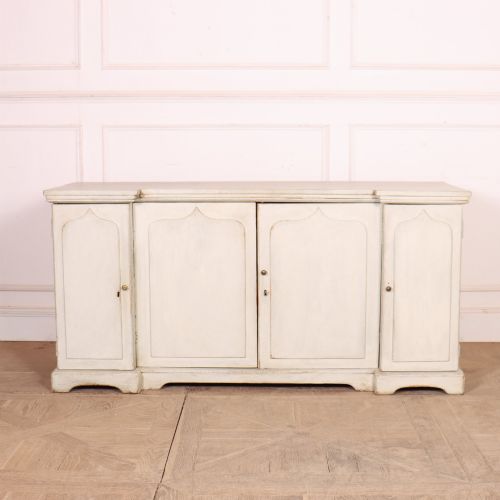
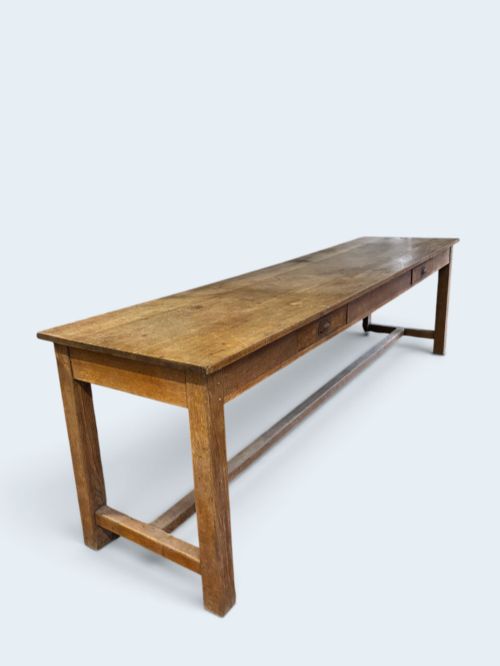
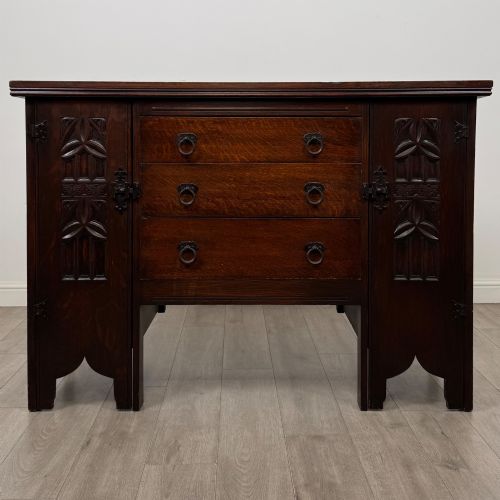
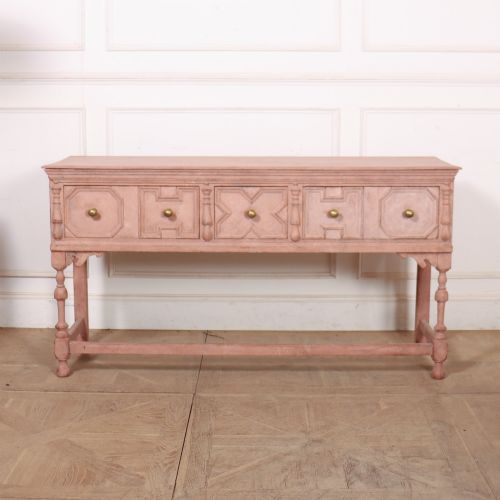
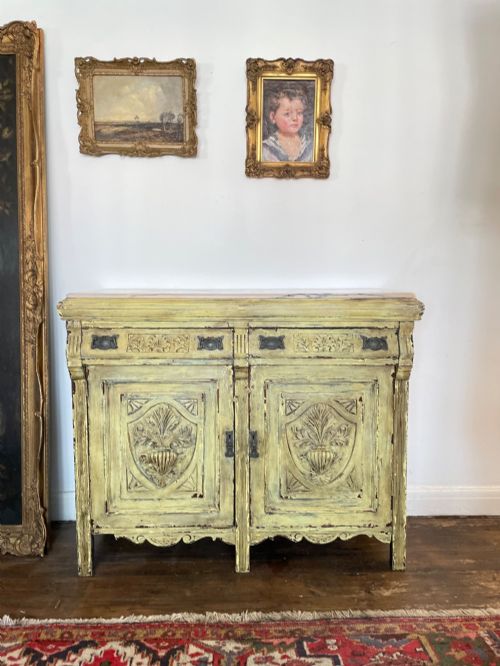
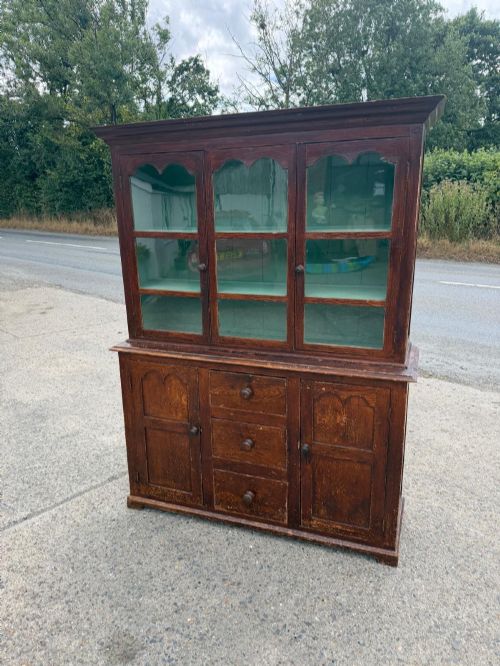


Rustic Wood Sideboard
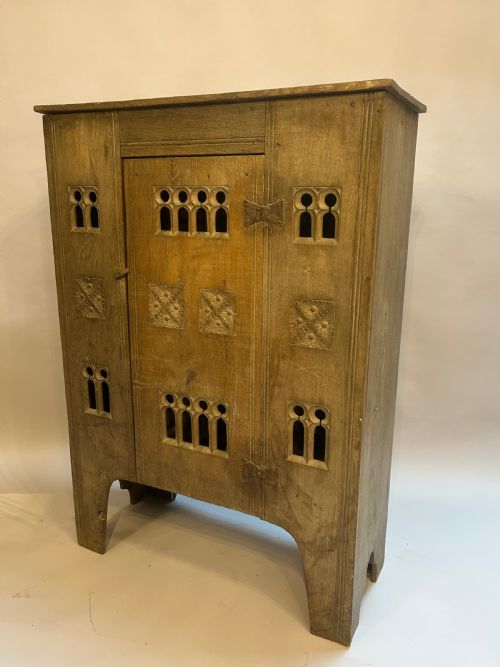
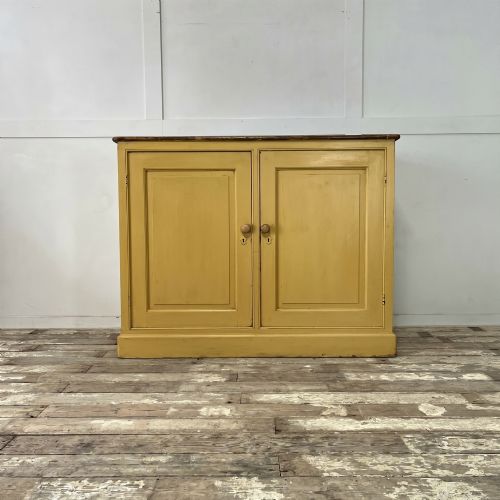
A rustic wood sideboard brings honest warmth and utility to a room through heavy timber and straightforward construction.
Rustic Wood Sideboard
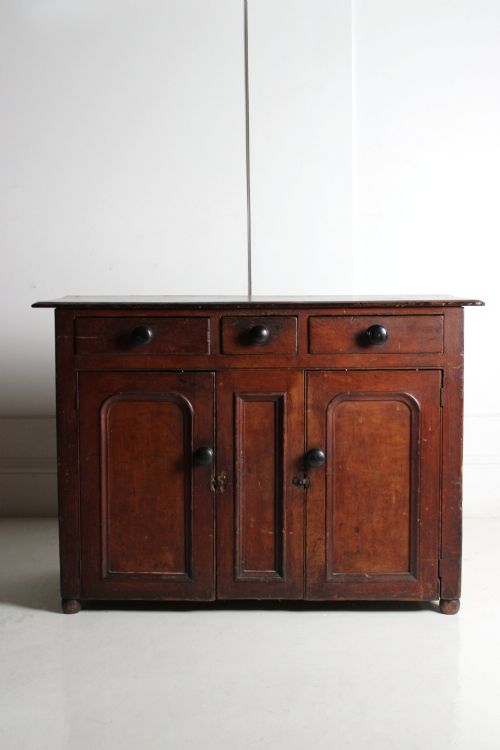
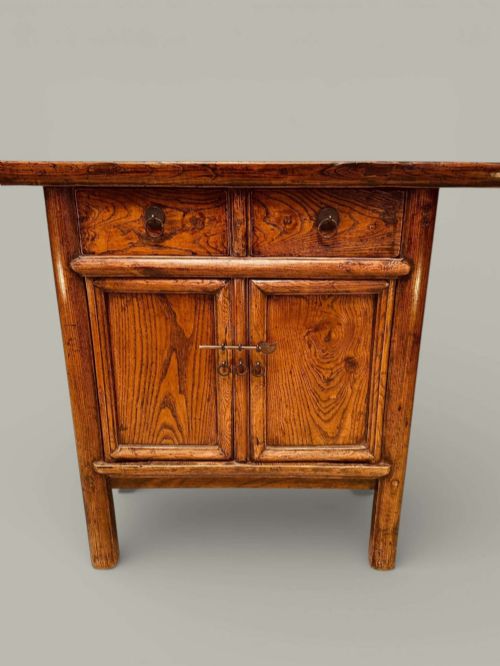
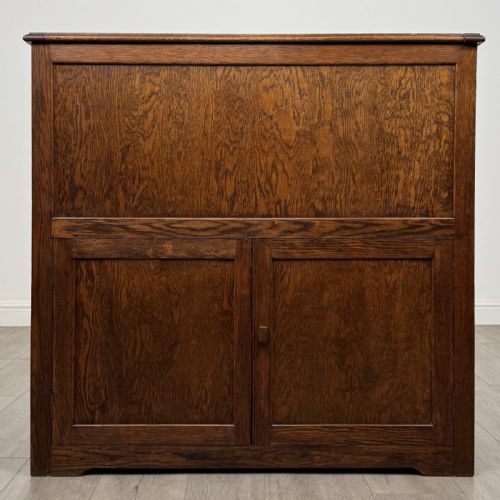
A rustic wood sideboard unites practical storage with the enduring character of vernacular furniture traditions. You will encounter forms ranging from low serving tables and dresser bases to tall cupboards and cabinets.
The selections span centuries, featuring 18th century and 19th century regional pieces alongside early 20th century examples. English, French, Welsh, and Spanish origins dominate the selection, each carrying distinct local carpentry traditions.
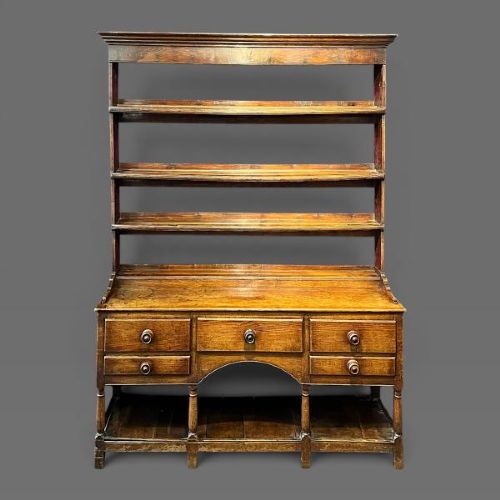
Many of these forms function as dining room servers or kitchen storage, displaying open potboards, enclosed drawers, and panelled doors. Their presence grounds an interior with unpretentious materials and functional design.
Assessing Quality and Character
Quality rests in the integrity of the timber and the honesty of the construction. Heavy oak and dense fruitwood demand greater skill from the carpenter than softer pine, resulting in heavier framing and tighter joints.
The character of the surface sets superior examples apart. Original paint, untouched waxed patinas, and natural wear from decades of domestic service elevate a piece far above later alterations or heavy restorations.
Proportions and regional idiosyncrasies define desirability. Pieces retaining their original hardware, uncompromised potboards, and untouched backboards hold greater architectural interest for collectors.
Rustic Wood Sideboard Retail Price Guide 2026
Typical asking prices for rustic wood sideboard among the pieces listed under this phrase on Sellingantiques today, from the lower quarter to the upper quarter. They describe what is for sale here now, not the wider market.
Regional forms include English potboard dressers, Welsh dressers with racks, and French provincial serving tables.
The Rustic Wood Sideboard Glossary
- Dresser base
- The lower section of a traditional kitchen dresser featuring drawers and cupboards without the upper shelving rack. This surface served as a primary workspace for food preparation in country houses.
- Potboard
- An open slatted shelf built low between the legs of a serving table or dresser base. It provided storage for heavy pots, pans, and earthenware.
- Chiffonier
- A low compact sideboard or cabinet developed in the early 19th century. It typically combines small drawers with enclosed lower cupboards.
- Commode
- A low European chest of drawers or cabinet with doors. French and Italian examples often feature refined proportions and shaped panels.
- Fruitwood
- Timber harvested from fruit-bearing trees such as pear, apple, or cherry. Cabinet makers valued it for its fine grain and warm tone.
Rustic Wood Sideboard: Frequently Asked Questions
How do I style a rustic sideboard?
A rustic wood sideboard anchors a room when paired with simple, natural textures and everyday objects. Balance the heavy timber frame by placing ceramics, wooden trenchers, or botanical elements on top.
Allow the natural grain and signs of age to remain the focal point of the space. Avoid cluttering the surface so the proportions of the oak or pine remain clear.
What is the difference between a dresser base and a sideboard?
A dresser base originates from working kitchens and utilitarian spaces, frequently featuring an open lower potboard and sturdy timber construction. Sideboards traditionally served formal dining rooms for storing silver and linens.
Over time, these domestic roles overlapped. Today, both terms describe heavy wooden storage furniture suited for contemporary living spaces.
How do I care for antique pine furniture?
Antique pine and softwood benefit from occasional waxing with natural beeswax to nourish the dry timber. Avoid placing these pieces in direct sunlight or near heat sources that cause the wood to warp or split.
Dust surfaces gently with a dry cloth rather than using harsh chemical polishes. Preserving the original dry finish maintains the character of the piece.
Where were these regional sideboards made?
These pieces originate from rural workshops across Europe, particularly the English countryside, French provinces, and Welsh valleys. Local carpenters used whatever native timber grew nearby, such as oak, pine, or fruitwood.
Regional differences appear in the door panelling, drawer configurations, and leg styles. These local variations reflect the practical needs of rural households.