

Rustic Wood Seat
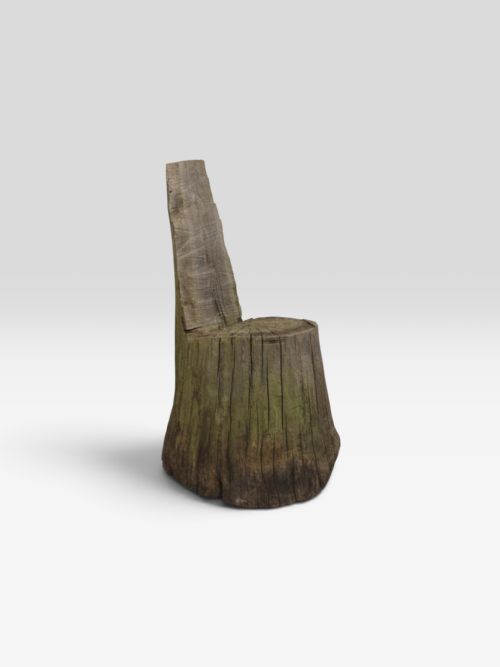
A rustic wood seat brings honest country character into a room, formed from sturdy native timbers and shaped by generations of practical utility.
Rustic Wood Seat
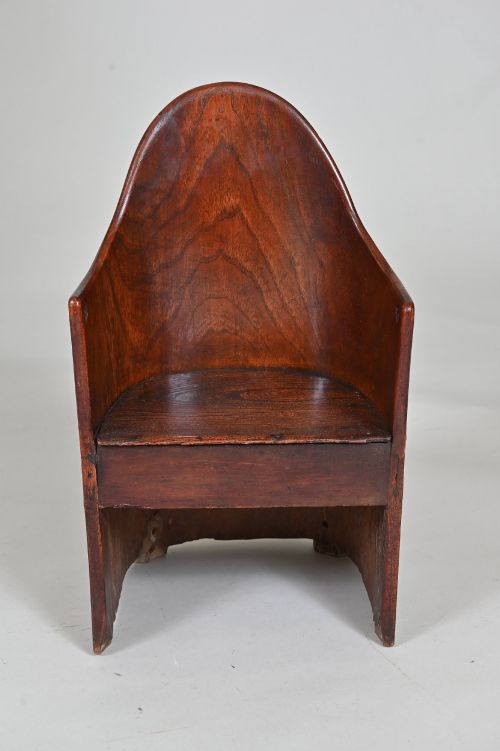
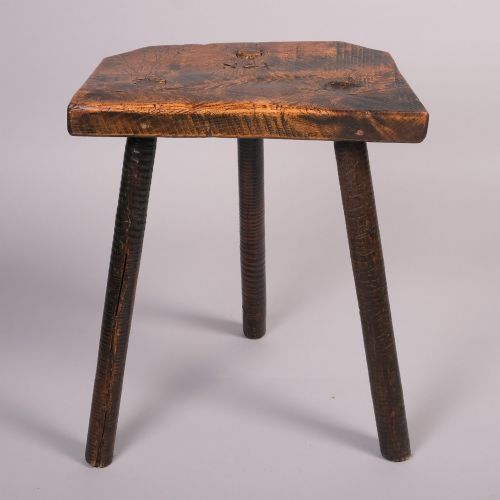
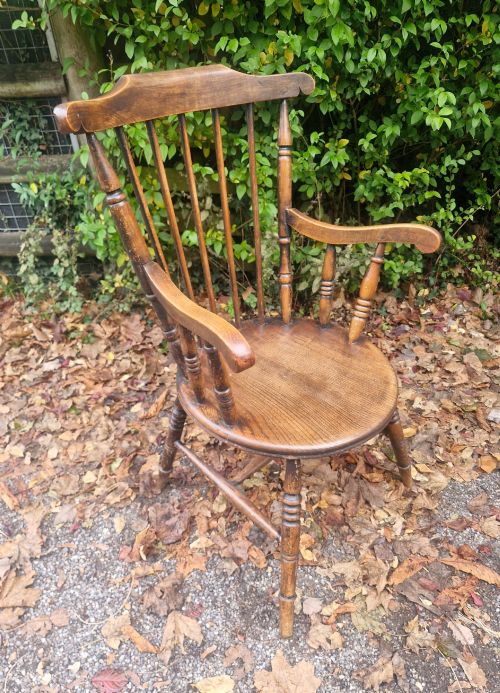
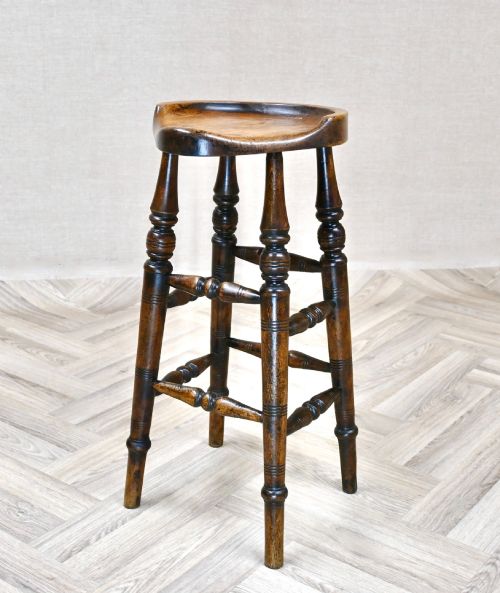
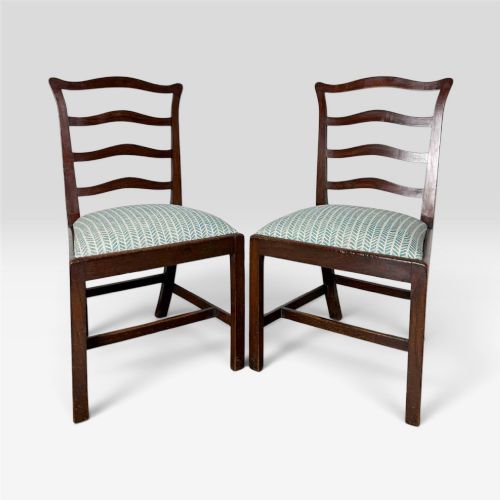
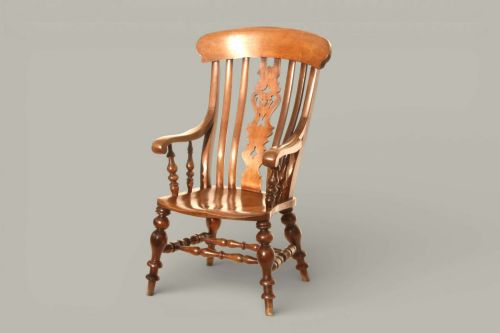
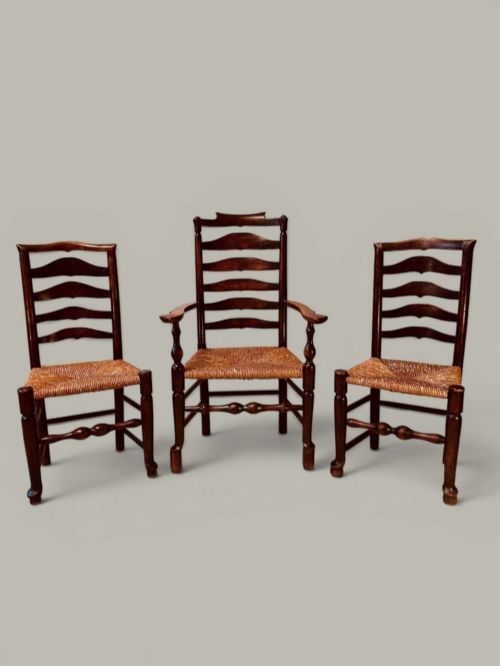
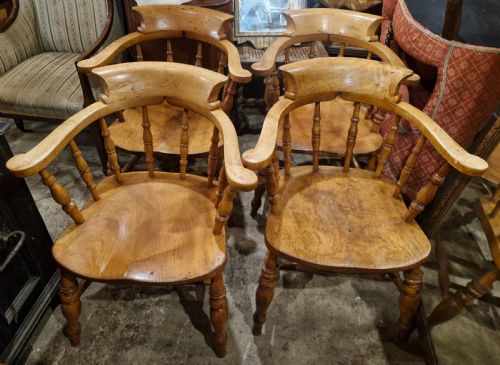
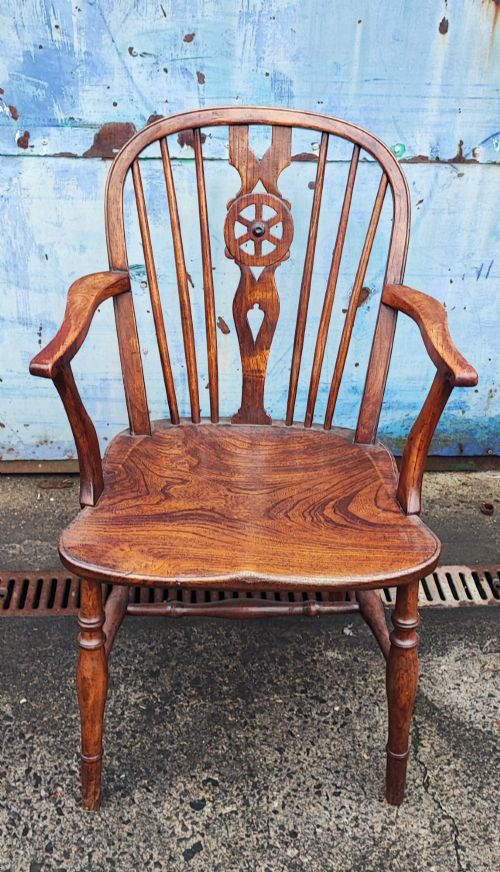
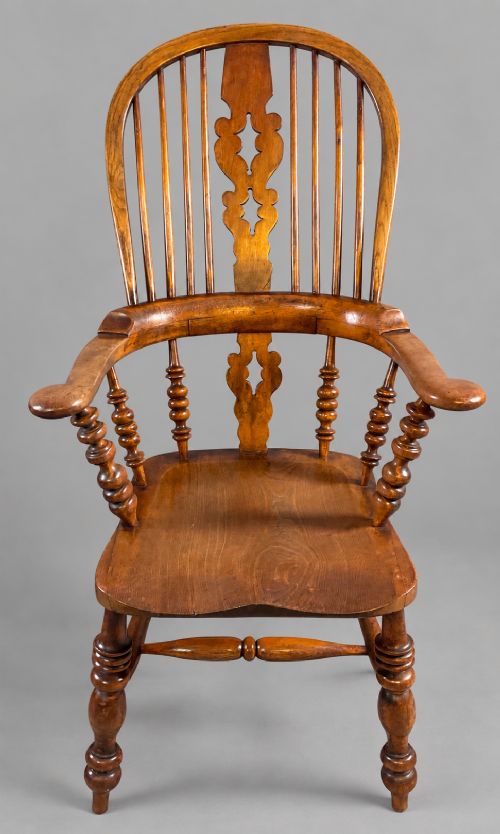
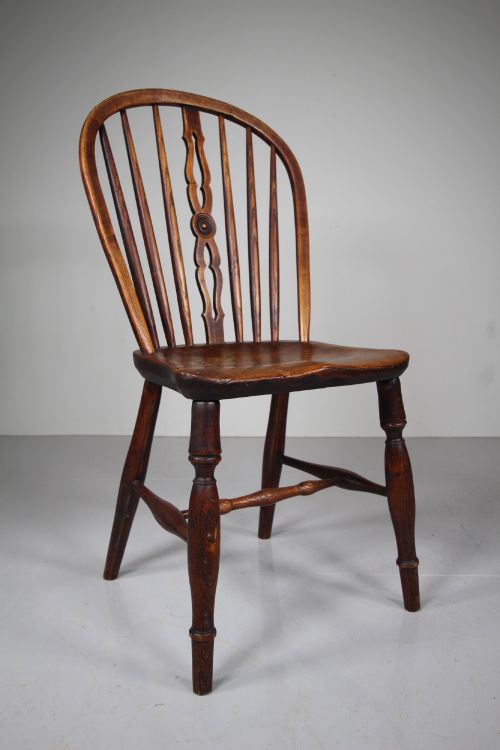
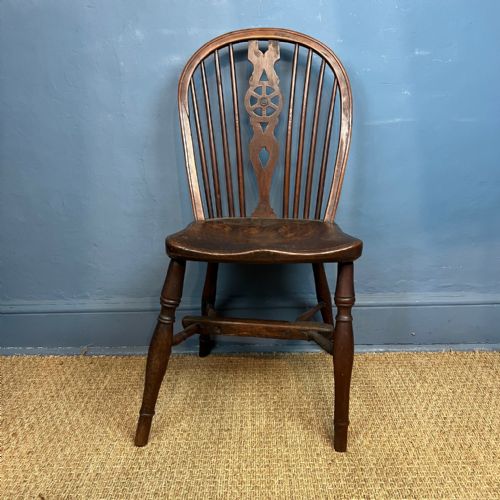
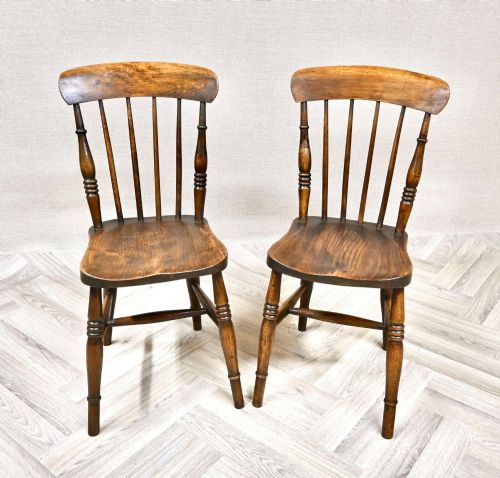
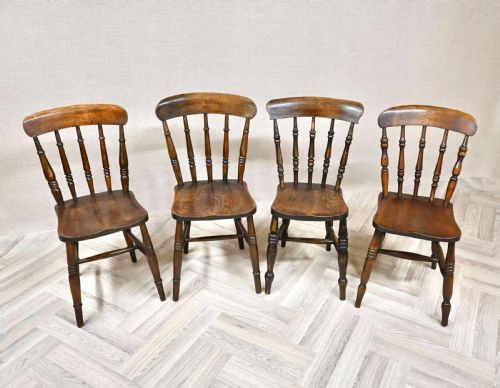
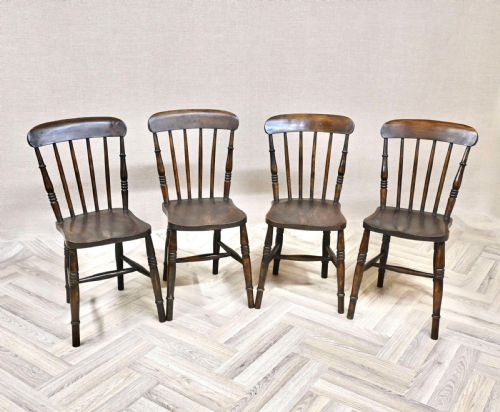
A rustic wood seat encompasses a diverse range of utilitarian furniture designed for everyday domestic and vernacular use. When searching for a rustic wood seat, buyers encounter vernacular forms such as Windsor armchairs, stickback chairs, joint stools, kitchen benches, and pub stools originating from the eighteenth century through to the early twentieth century.
The pieces on this page lean heavily towards English and French country traditions, incorporating styles like Victorian Country, English Country Vernacular, and French Provincial. Common iterations include heavy elm and ash spindle backs, plank benches, and carved hardwood hall benches that show the straightforward construction methods of regional makers.
Forms vary from single seating solutions like tavern stools and child armchairs to multi-piece dining sets and long garden benches. The prevailing aesthetic relies on honest timber surfaces and functional design rather than elaborate ornamentation.
Materials and construction methods
Construction relies heavily on native hardwoods selected for specific structural properties, predominantly elm for saddle seats, ash for spindles and bent parts, and beech or oak for legs and stretchers. These timbers were often combined in a single piece, utilising the natural strength of each wood to support daily wear.
Joinery methods reflect traditional vernacular carpentry, featuring wedged tenons, pegged joints, and steam-bent components that allow wood to flex without breaking. Surfaces were frequently left unpainted or simply finished with natural oils and waxes, letting the grain and tool marks remain visible.
Rustic Wood Seat Retail Price Guide 2026
Typical asking prices for rustic wood seat among the pieces listed under this phrase on Sellingantiques today, from the lower quarter to the upper quarter. They describe what is for sale here now, not the wider market.
One curious stool arrives with a documented Winchester connection, preserving a small slice of local history within its wooden top.
Judging quality in vernacular seating
Quality in a rustic wood seat rests on the integrity of the timber, the balance of the proportions, and the depth of wear accumulated on the surface. Superior examples display thick, characterful elm seats shaped with deep adze marks alongside tight, well-pegged joints that have survived centuries of use.
Lesser pieces suffer from unsympathetic modern replacements, excessive timber shrinkage leading to loose joints, or the loss of matching components within a set. The most desirable items maintain their original structural skeleton and show a rich, undisturbed patina across the wooden components.
Philip Clissett
The Rustic Wood Seat Glossary
- Windsor chair
- A chair built with a solid wooden seat into which the legs and back spindles are directly bored and wedged. This form relies on a heavy saddle-shaped seat for stability.
- Stickback
- A chair style featuring simple turned or cleft rods inserted into the seat to form the backrest. These unadorned pieces represent practical domestic seating.
- Vernacular
- Furniture made by local craftsmen for everyday use without adherence to formal academic design rules. These pieces reflect regional materials and traditions.
- Joint stool
- A low wooden stool constructed with mortise and tenon joints held together by wooden pegs. They served as primary seating before chairs became common household items.
- Patina
- The surface sheen and colour developed by wood over decades of handling, exposure to light, and polishing. It serves as a visual indicator of age and authenticity.
Rustic Wood Seat: Frequently Asked Questions
What defines a rustic wood seat?
A rustic wood seat is a piece of vernacular furniture built from solid native timbers like elm, ash, and oak for practical everyday use. These items emphasise sturdy construction and honest materials over formal decorative styles.
Such seating includes Windsor chairs, joint stools, and tavern benches made by regional carpenters rather than large urban factories.
How do I date an antique wooden stool?
Dating relies on examining tool marks, timber selection, joinery techniques, and the overall wear patterns across the wooden surfaces. Hand-adzed seats and pegged joints often point towards earlier eighteenth and nineteenth-century origins.
Comparing the turned leg profiles and framing styles to documented vernacular pieces helps narrow down the period of manufacture.
Are these seats suitable for daily dining?
Many solid wood chairs and benches were originally built for heavy daily use in kitchens, pubs, and farmhouses, making them remarkably durable today. Their robust construction handles regular sitting well provided the joints remain tight and stable.
Pairing antique seating with a sturdy table creates a functional dining arrangement with distinct historical character.
How should I care for antique elm and ash?
Maintain unpainted wooden surfaces by applying occasional coats of natural beeswax to nourish the dry timber and protect the grain. Keep the furniture away from direct heat sources and drastic humidity changes to prevent wood splitting.
Cleaning should involve only a soft, dry cloth to preserve the accumulated patina built up over generations.