


Rustic Wood Cupboard
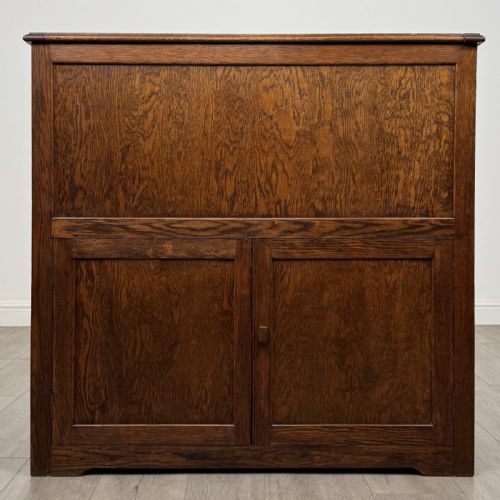
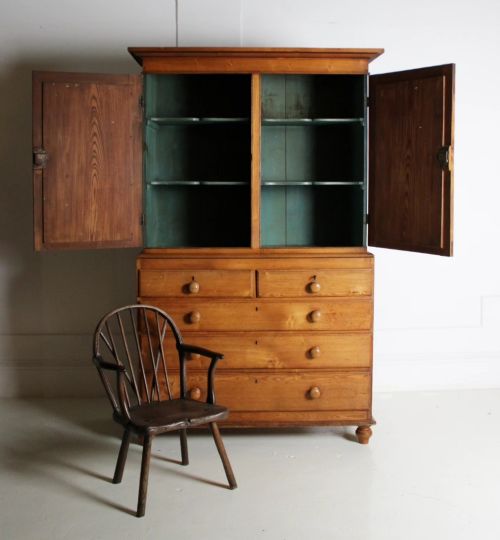
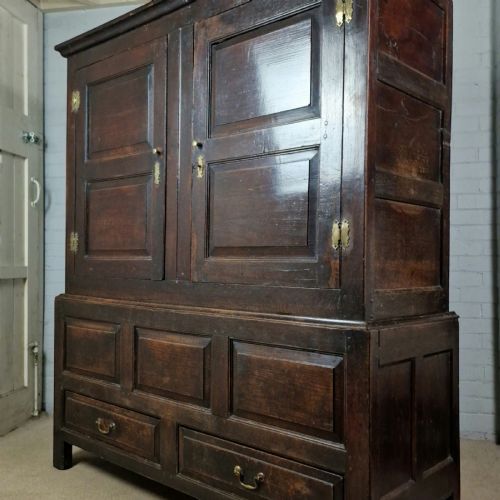
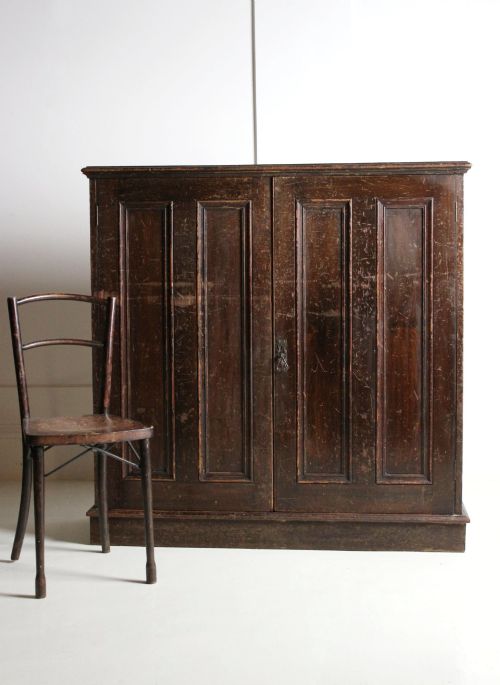
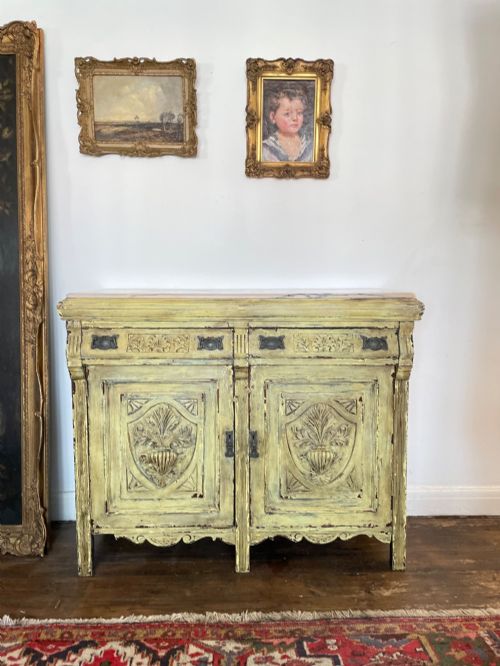
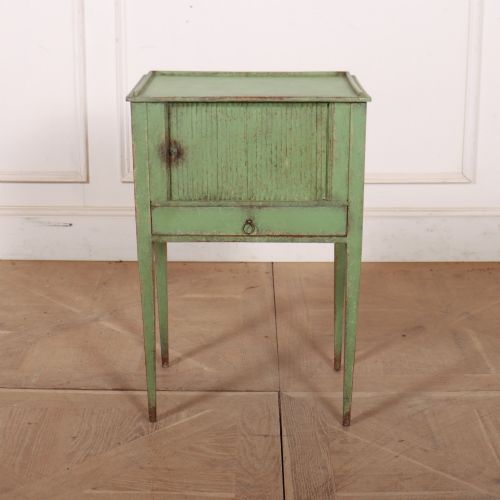
A rustic wood cupboard is a utilitarian piece built for storage, and you meet sturdy pine and oak examples spanning the eighteenth century to the 1930s here.
Rustic Wood Cupboard
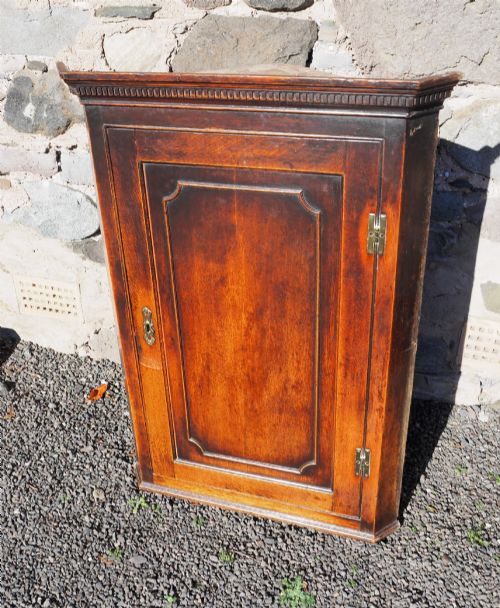
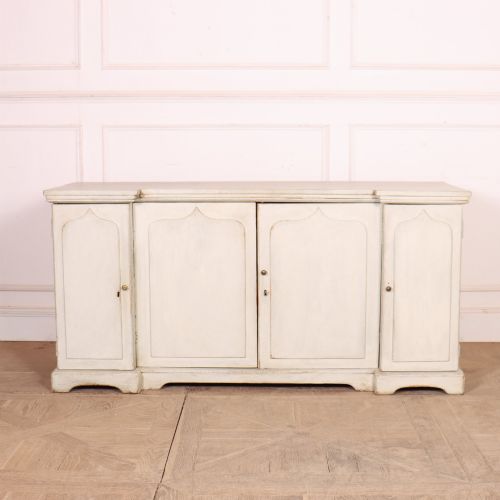
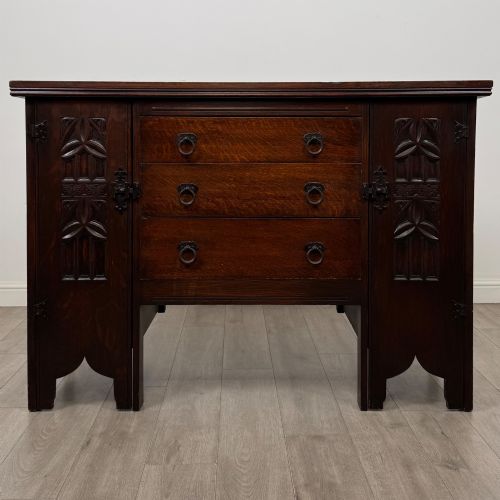
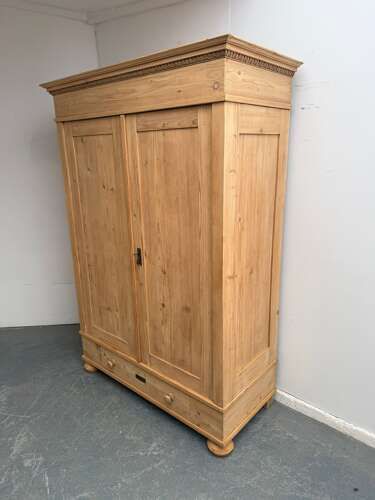
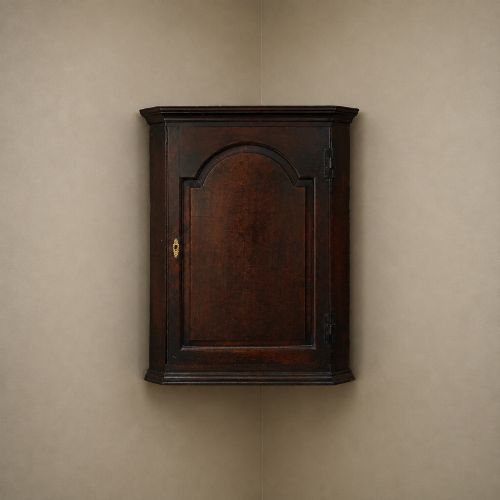
A rustic wood cupboard serves as practical storage furniture found across various regional traditions and domestic settings. When you search for a rustic wood cupboard, you encounter forms ranging from corner cabinets and larder cupboards to dresser bases and wardrobe units. The pieces on this page originate predominantly from domestic kitchen, pantry, and bedroom contexts.
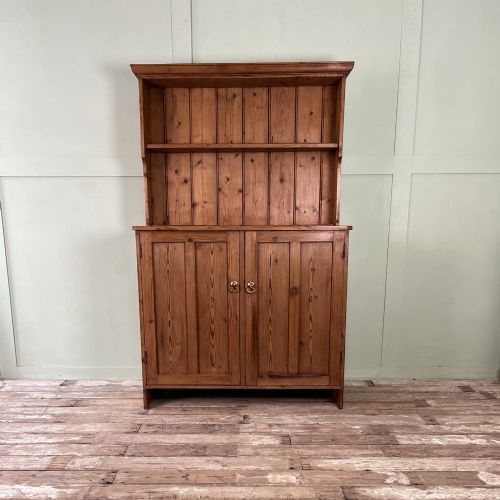
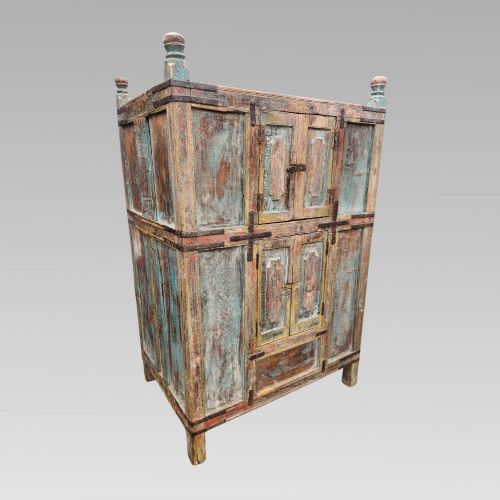
You are most likely to meet nineteenth-century and Victorian pine examples alongside Georgian and eighteenth-century oak pieces. Many items display traces of original paint, stripped surfaces, or waxed finishes suited to country interiors. Forms also extend to traditional Indian teak and cedar storage cupboards featuring panelled or louvre doors.
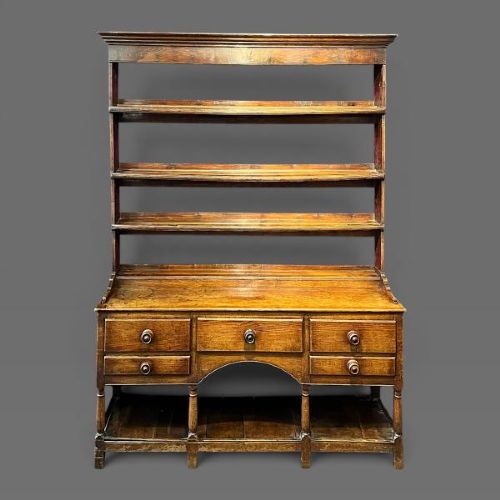
The selection includes specialised regional variations such as Welsh dressers, linen presses, and Dutch bedside tables. Construction styles vary from English and French country vernaculars to traditional Indian craftsmanship utilising reclaimed timber. These storage items bridge the gap between heavy utility and decorative domestic presence.
Materials and construction
Makers built these pieces primarily from solid pine and oak, complemented by regional timbers such as ash, teak, cedar, and rosewood. Joinery relied on traditional methods appropriate for daily household use, incorporating panelled doors, pigeon holes, and shelving. Hardware consisted mainly of iron and brass hinges, latches, and pulls.
Surface treatments varied widely between utilitarian painted finishes and waxed natural woods. Many items feature multi-layered historical paint, while others underwent later stripping to expose the grain of the pine or hardwood. Carved panels and architectural mouldings appear on select French, Italian, and English country pieces.
Rustic Wood Cupboard Retail Price Guide 2026
Typical asking prices for rustic wood cupboard among the pieces listed under this phrase on Sellingantiques today, from the lower quarter to the upper quarter. They describe what is for sale here now, not the wider market.
Listings feature traditional rustic wood cupboard forms in pine, oak, teak, and ash across eighteenth, nineteenth, and twentieth-century periods.
Assessing quality
The standard of a cupboard rests upon the integrity of its timber and the permanence of its original joinery. Pieces retaining their initial structural timber without excessive replacement parts hold greater integrity than those heavily altered over generations. The subtlety of hand-carved details and the proportion of cornices and panels distinguish finer vernacular work from plain utility furniture.
Surface preservation dictates much of the character, particularly where original painted interiors or historic exterior finishes remain intact. Well-executed construction in dense oak or seasoned pine ensures doors hang true and drawers operate smoothly. The balance between practical storage capacity and refined regional proportions defines the upper tier of these pieces.
The Rustic Wood Cupboard Glossary
- Corner cabinet
- A storage unit specifically constructed with an angled back to fit neatly into the corner of a room. These often feature glazed or panelled single doors.
- Dresser base
- The lower section of a kitchen or dining room storage unit, typically comprising cupboards and drawers beneath a solid top surface. They often form the foundation for plate racks or upper shelving.
- Larder cupboard
- A tall piece intended for food storage, historically ventilated or shelved for kitchen provisions. They provide deep interior capacity behind large panelled doors.
- Livery cupboard
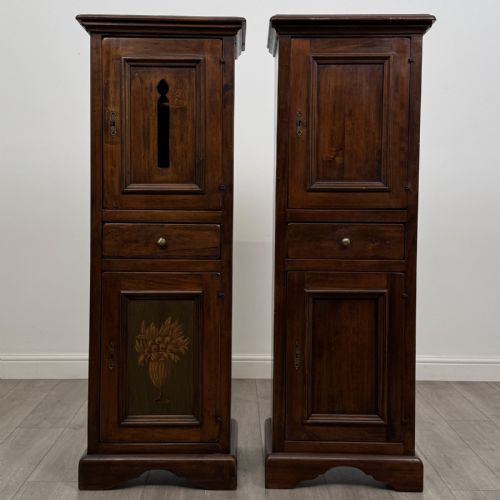
- An antique term for a small freestanding storage cabinet traditionally used for food or clothing. They frequently incorporate pierced or panelled ventilation doors.
- Chifferobe
- A hybrid wardrobe and chest of drawers combining hanging space with vertical drawer columns. This form gained popularity during the Victorian period for compact bedroom storage.
Rustic Wood Cupboard: Frequently Asked Questions
How do I date an old pine cupboard?
Dating relies on examining construction marks, nail types, and timber preparation methods visible on the interior and backboards. Hand-sawn boards and early forged hardware point towards the eighteenth or early nineteenth century.
Later Victorian and twentieth-century examples display more uniform machine sawing and standard iron fixings. Comparing the timber patination and drawer dovetailing against known period styles helps narrow the decade.
Are these cupboards suitable for modern kitchens?
These pieces provide deep shelving and substantial floor storage that function effectively as freestanding larders or pantry units. Their varied dimensions allow them to integrate into contemporary spaces requiring characterful storage.
Consider the internal depth and door clearance before placement in smaller rooms. Waxed or painted finishes also tolerate everyday domestic environments when maintained properly.
What is a knock-down wardrobe?
A knock-down wardrobe is designed to be fully disassembled into modular panels and components for ease of transport and assembly. This technique was particularly useful in large country houses where furniture needed to move between rooms.
Pegs, bolts, or slot-together joints secure the frame without requiring permanent gluing. This construction method allows large pieces to navigate tight staircases.
How should I care for painted pine?
Painted pine surfaces benefit from gentle dusting with a dry microfibre cloth to prevent dirt accumulation on historic finishes. Avoid commercial chemical sprays that can degrade older wax or oil-based paint layers.
Keep pieces away from direct heat sources and strong sunlight to prevent timber shrinkage and paint flaking. Occasional light waxing preserves unpainted wooden trim around the painted panels.