

Rustic Wood Chairs
These rustic wood chairs bring honest country craft into a modern interior through sturdy timbers and unpretentious vernacular forms.
Rustic Wood Chairs
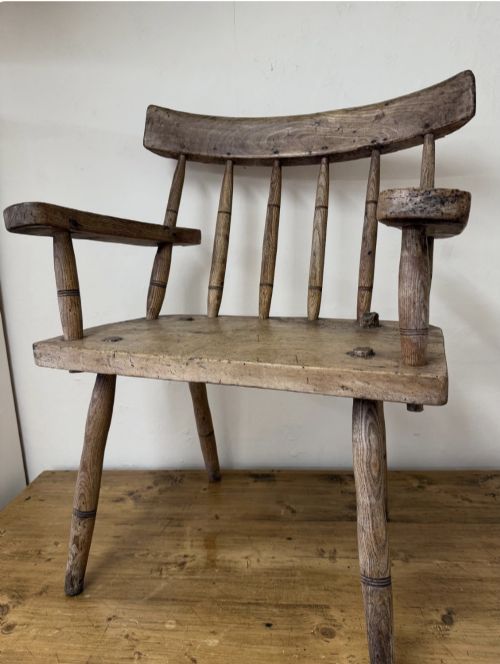
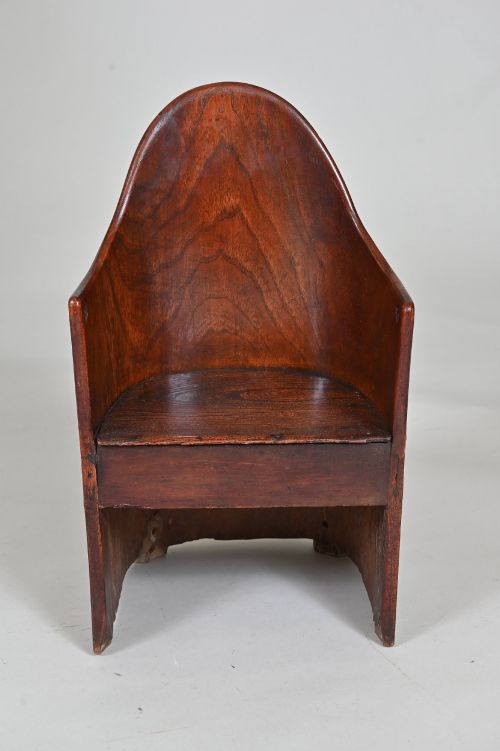
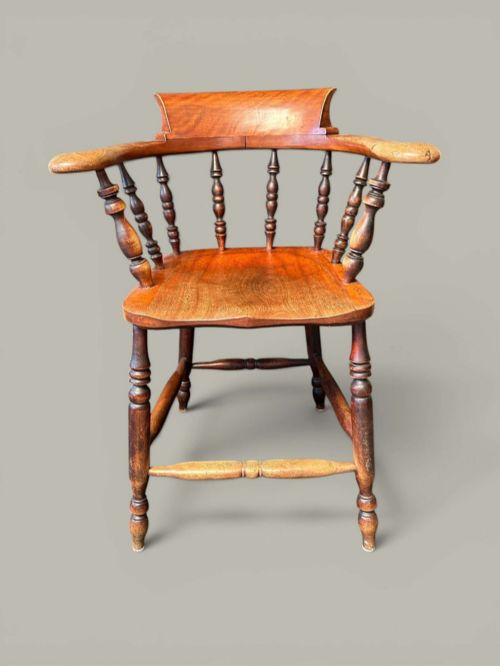
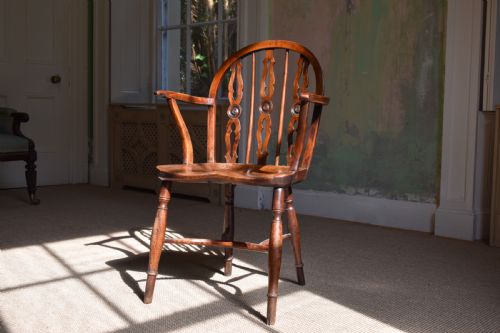
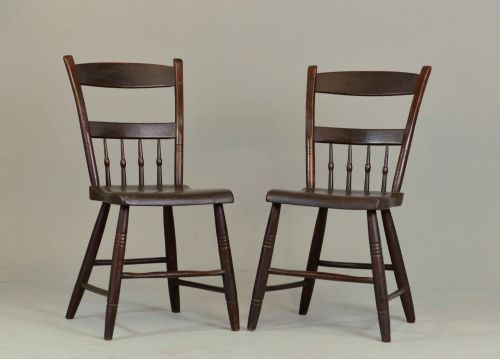
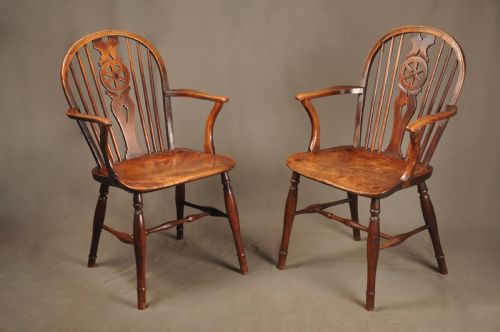
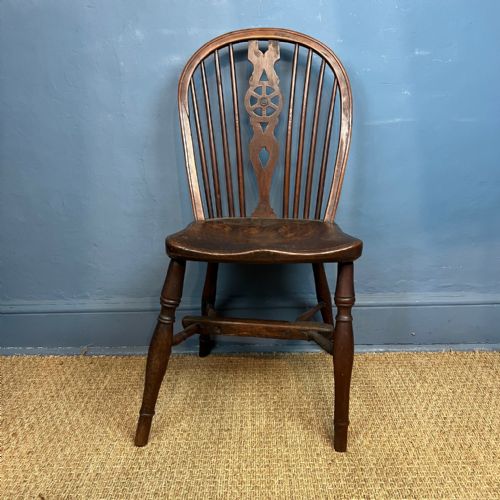
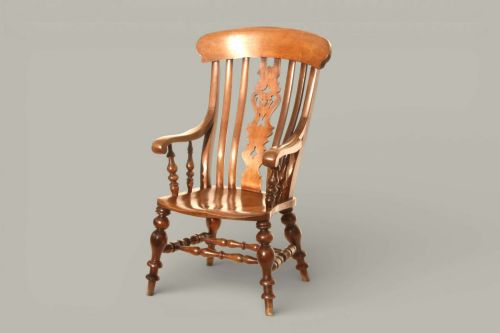
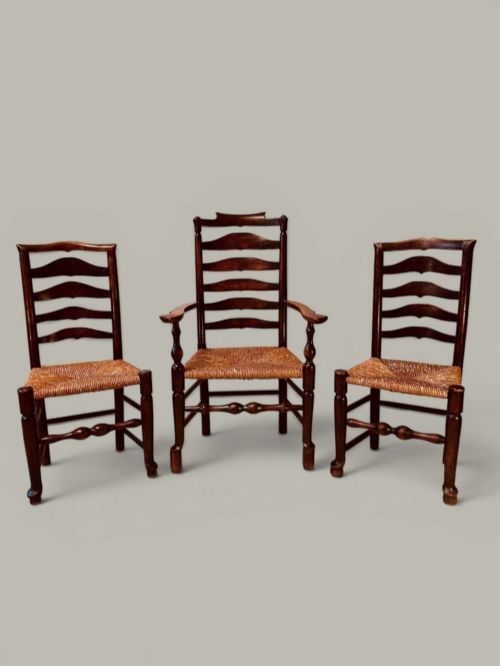
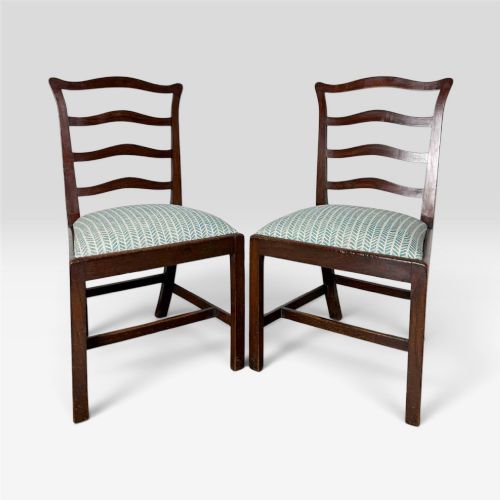
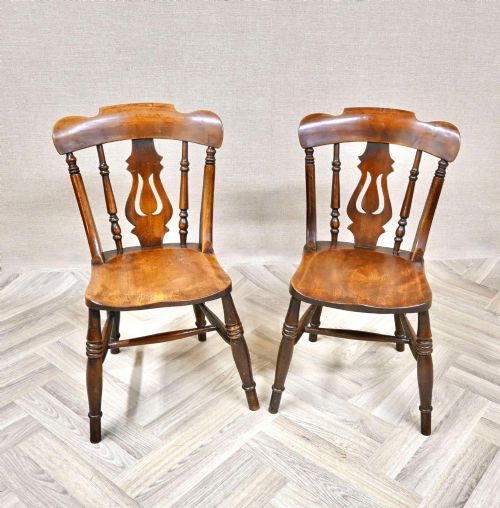
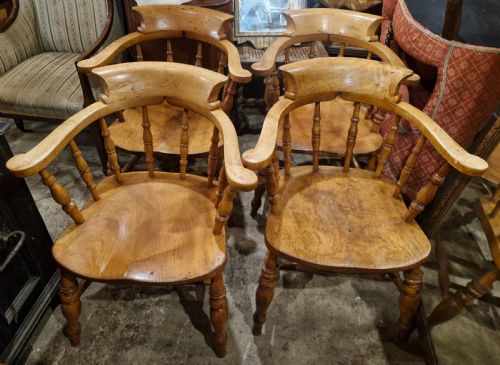
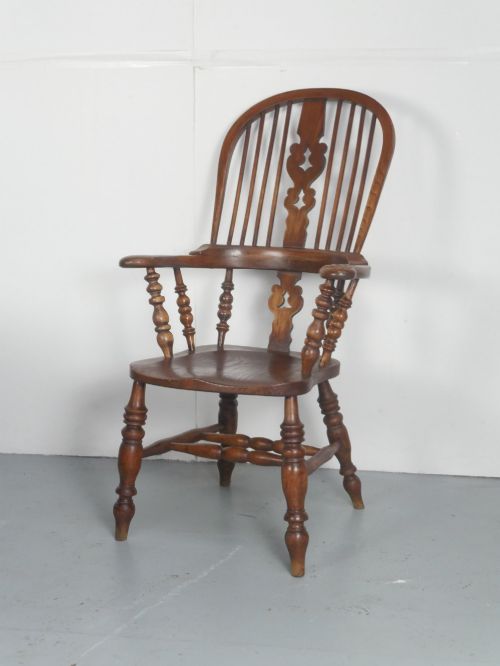
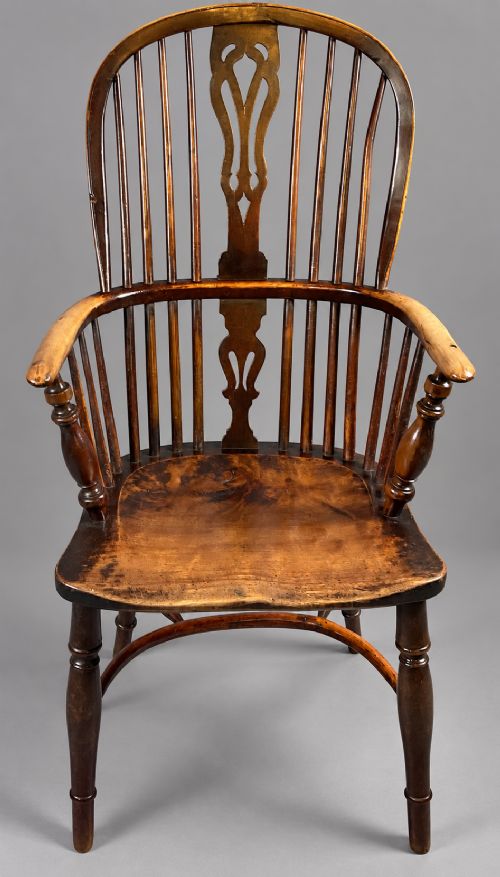
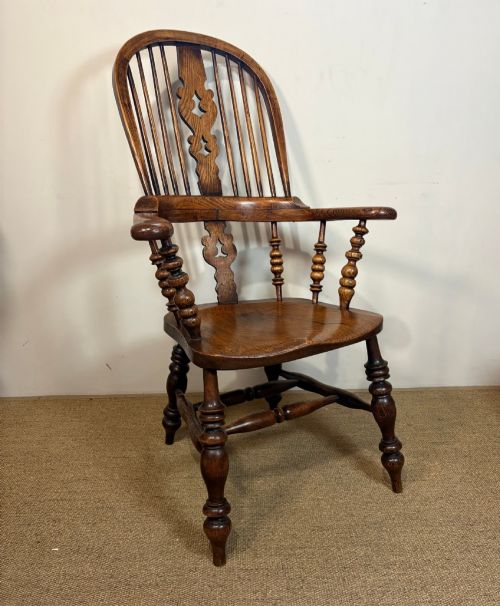
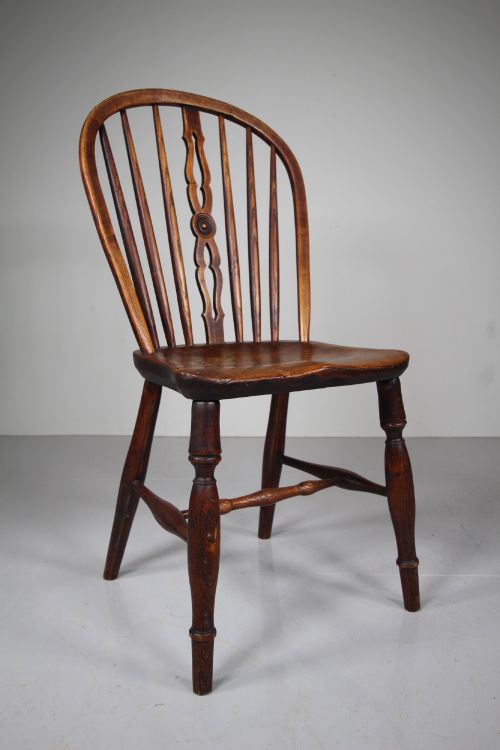
Rustic wood chairs encompass traditional country seating designed for everyday utility rather than formal parlour display. When searching for rustic wood chairs, buyers will frequently encounter Windsor forms, spindle backs, and farmhouse kitchen chairs originating from the eighteenth and nineteenth centuries.
The selection ranges from single fireside armchairs to matched sets of dining chairs and children's seating. English and French provincial traditions dominate the offerings, spanning distinct regional variations from Thames Valley Windsors to simple rush and timber constructions.
Makers focused on practical comfort and structural endurance, resulting in deep seats, steam-bent components, and sturdy turnings. These pieces bridge the gap between historic vernacular craft and functional daily seating for contemporary homes.
Materials and construction methods
Makers utilised a combination of native hardwoods chosen for specific structural properties, most notably elm for solid seats, ash for resilient spindles and bending, and beech for turned legs and framing. Yew appears in finer Windsor armchairs, prized for its rich grain and warmth, while fruitwood and oak feature in continental and earlier English examples.
Construction relied on traditional joinery such as wedged through-tenons and pegning, ensuring that frames remained rigid under heavy domestic use. Steam bending allowed makers to shape continuous comb backs and hoops without weakening the wood fibres.
Rustic Wood Chairs Retail Price Guide 2026
Typical asking prices for rustic wood chairs among the pieces listed under this phrase on Sellingantiques today, from the lower quarter to the upper quarter. They describe what is for sale here now, not the wider market.
The listings span the eighteenth, nineteenth, and early twentieth centuries, featuring native woods such as elm, ash, beech, oak, yew, and pine.
Distinguishing quality in country seating
Quality rests upon the integrity of the timber selection and the retention of original surface patination. Examples fashioned from figured yew or featuring deeply carved elm saddle seats command greater appreciation than plain softwood alternatives.
Proportion and balance dictate the success of the form, where slender well-turned spindles and harmonious undercarriages separate workshop masterpieces from utilitarian workshop output. The degree of original wear on the seat surface tells a true story of daily historic use.
Philip Clissett
The Rustic Wood Chairs Glossary
- Windsor chair
- A chair built with a solid wooden saddle-shaped seat into which the legs and back spindles are separately bored and wedged. This form provides robust support through a combination of bentwood hoops and vertical timbers.
- Spindle back
- A chair back constructed from multiple slender turned vertical wooden rods. These uprights distribute weight evenly while keeping the upper frame light and flexible.
- Saddle seat
- A thick wooden seat base shaped with hollows and contours for ergonomic comfort. Makers typically carved these from a single solid slab of elm.
- Comb back
- A Windsor chair design where the top rail resembles the teeth of a comb, featuring upward-extending spindles topped by a low horizontal crest.
- Patina
- The deep surface sheen and mellow colour developed by timber over centuries of handling, cleaning, and exposure to light.
Rustic Wood Chairs: Frequently Asked Questions
How do I care for antique wood chairs?
Keep wooden chairs away from direct heat sources and sudden temperature shifts to prevent the timber from splitting or joints from loosening. Regular dusting with a dry cloth maintains the surface.
Apply a traditional beeswax polish sparingly to nourish the grain and preserve the historic patina without building up a heavy film.
Are these chairs suitable for daily dining?
Many country and kitchen chairs were built precisely for heavy domestic use around farmhouse tables, making them durable for contemporary dining. Sets of matched or harlequin chairs offer practical daily seating.
Check that the leg joints and wedged seats remain secure before putting antique chairs into heavy service around the home.
How can I tell the age of a country chair?
Age is determined by tool marks, timber selection, construction methods, and the natural wear patterns accumulated on the seat and foot rails. Hand- turned components and pegged joints often indicate earlier craftsmanship.
Comparing regional styles and turning profiles helps narrow down the period of manufacture, from Georgian country workshops to Victorian production.