

Rustic Wood Cabinet
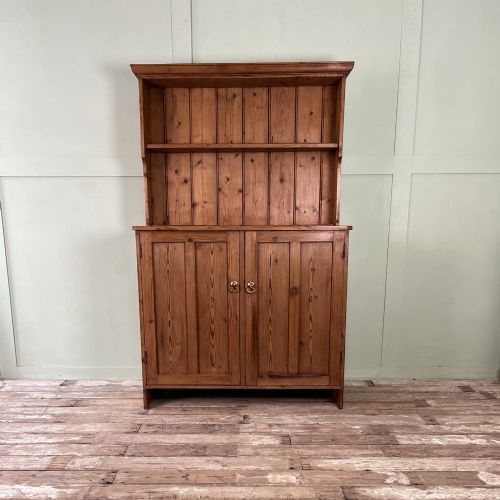
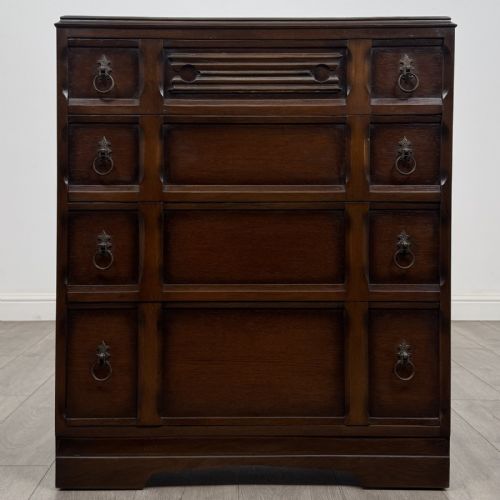
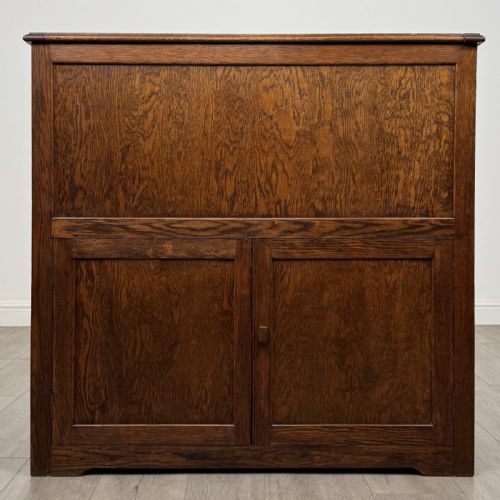
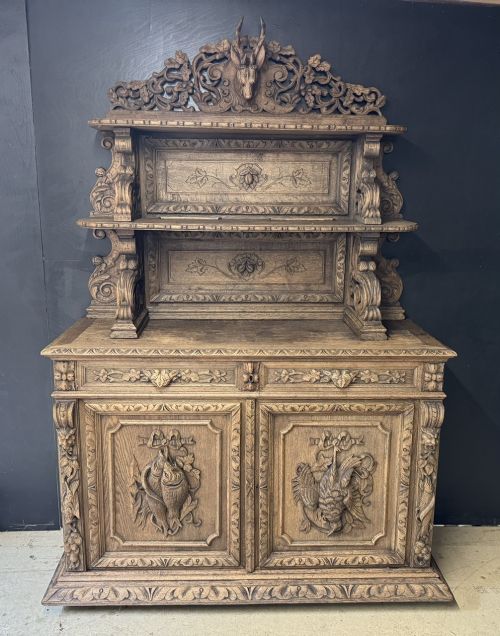
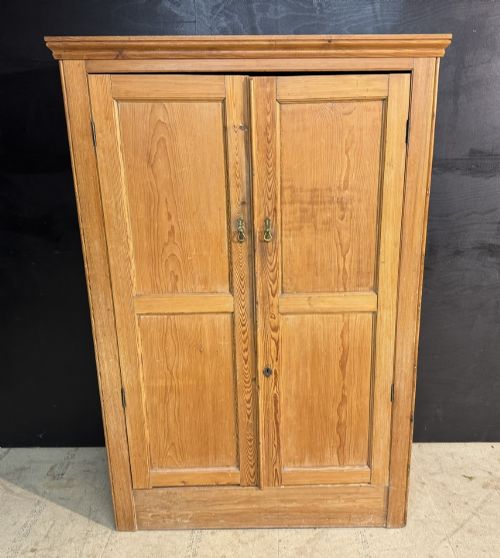
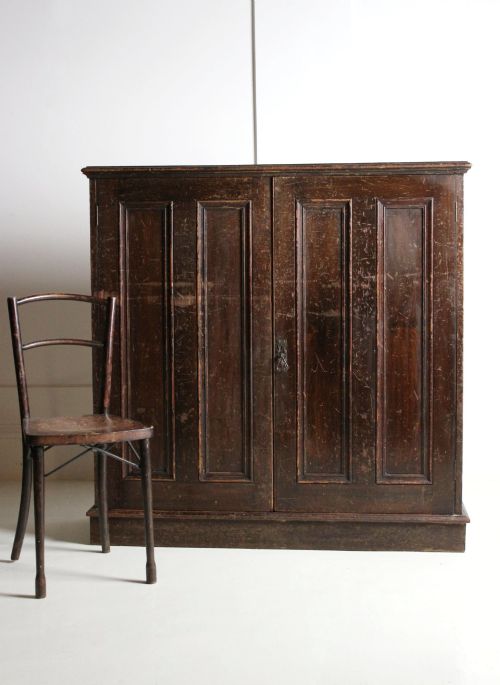
These rustic wood cabinets bring unpretentious storage and centuries of character to a room.
Rustic Wood Cabinet
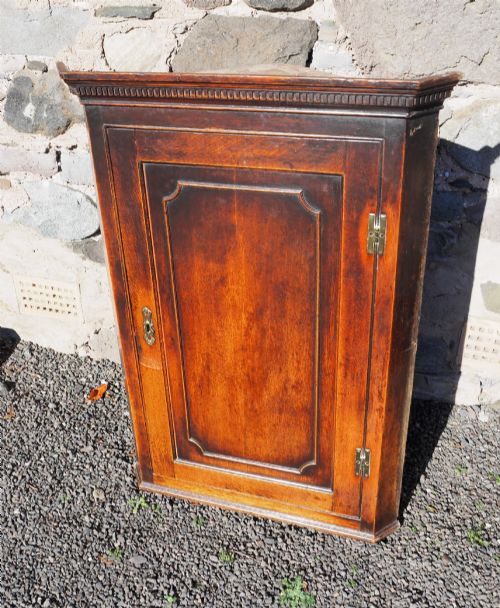
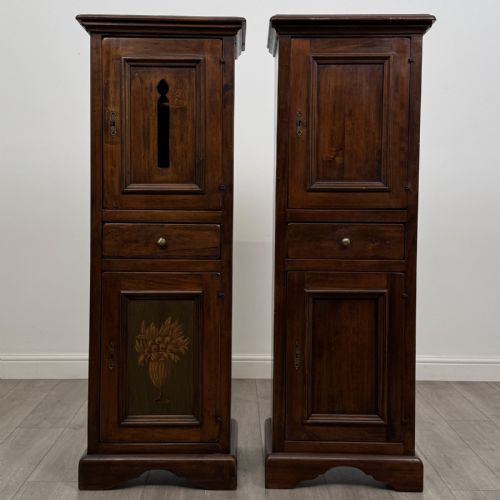
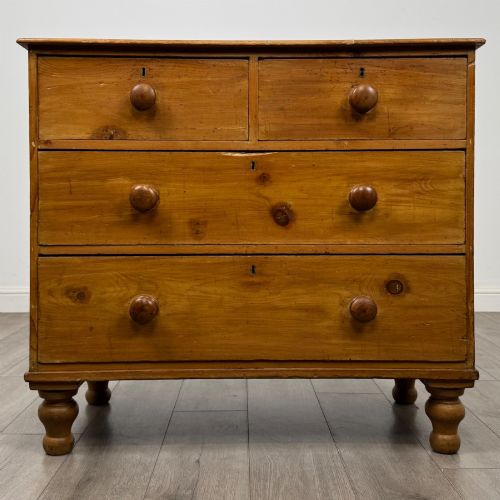
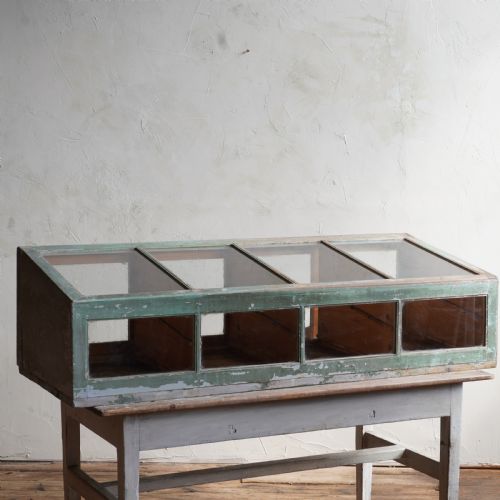
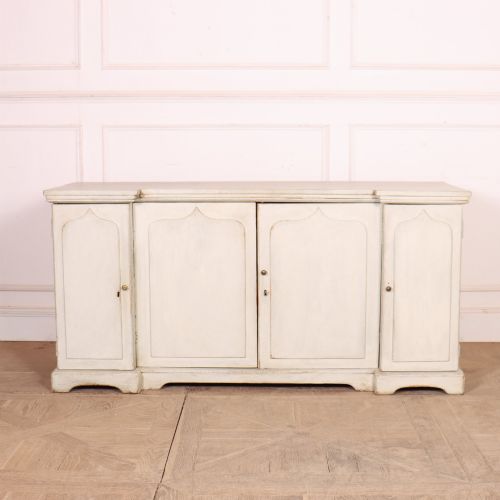
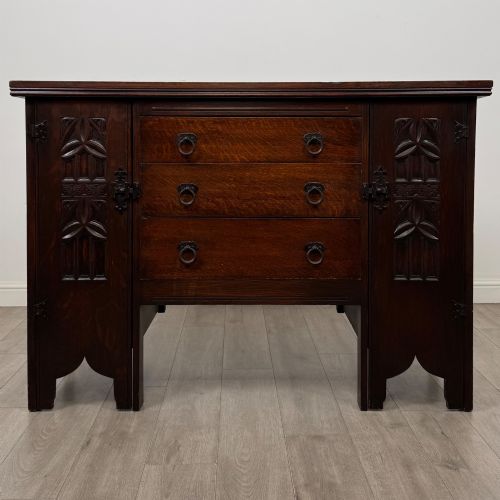
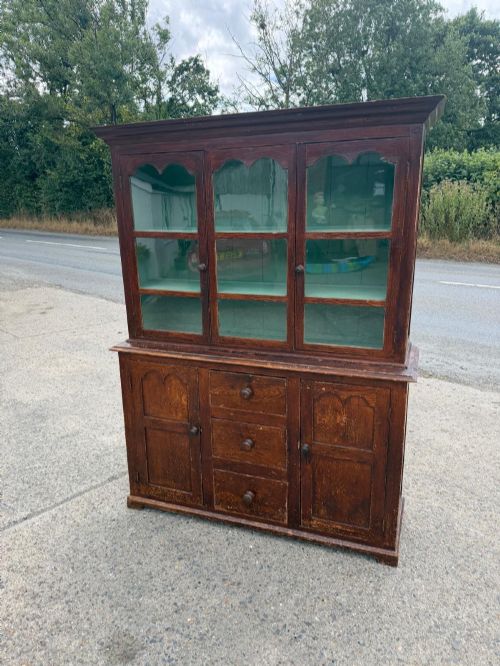
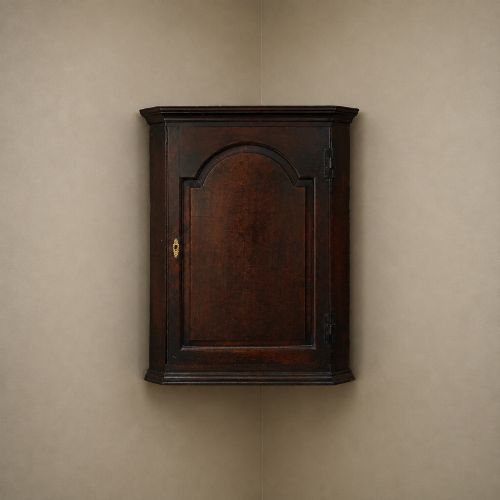
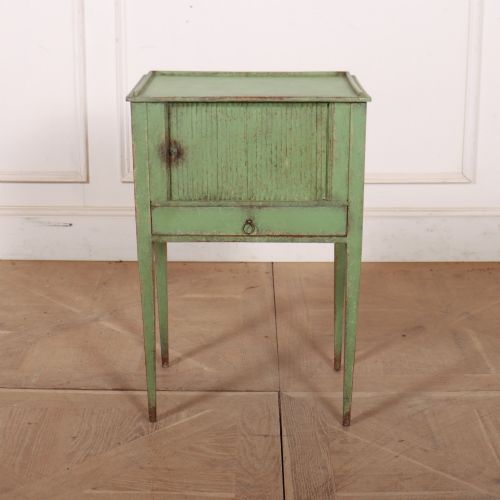
When searching for a rustic wood cabinet, buyers encounter a diverse range of functional storage furniture spanning the eighteenth, nineteenth, and twentieth centuries. The selection includes kitchen dressers, larder cupboards, corner cabinets, sideboards, and chests of drawers rooted in English, French, and Indian traditions.
Pine and oak predominate among the listings, appearing in forms from large Victorian school cupboards and glazed dressers to Georgian bureau desks and wall-hanging corner cupboards. Buyers frequently meet pine examples prepared for waxing or painting, alongside reclaimed teak and cedar pieces originating from India.
How they were made
Makers constructed these pieces using solid timbers such as pine, oak, teak, and cedar, often incorporating iron and brass hardware like hinges, handles, and locks. Surfaces show varied treatments, including natural waxed finishes, distressed paint, and polychrome decoration.
Joinery techniques reflect traditional cabinetmaking suited to utility and domestic storage, yielding fitted pigeon holes, raised galleries, louvered doors, and glazed display sections designed for daily use.
Rustic Wood Cabinet Retail Price Guide 2026
Typical asking prices for rustic wood cabinet among the pieces listed under this phrase on Sellingantiques today, from the lower quarter to the upper quarter. They describe what is for sale here now, not the wider market.
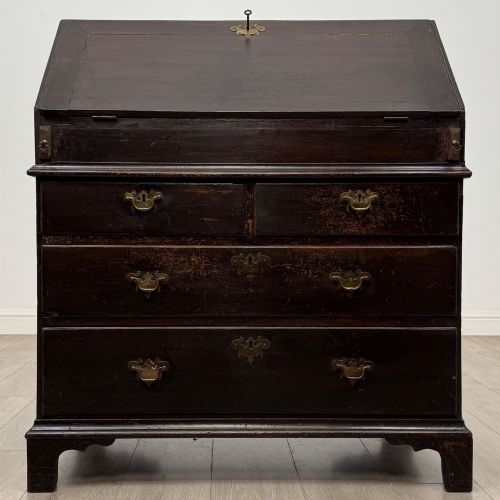
One unexpected Georgian oak bureau manages to keep secrets with a hidden well tucked beneath its writing flap.
What varies in quality
Quality in these pieces rests upon the integrity of the timber, the honesty of the construction, and the preservation of original surfaces rather than uniformity of finish. Retained interior paint, uncompromised structural joints, and untouched patina distinguish finer examples from standard utility items.
The sophistication of the form and regional details - such as carved mouldings, fitted interiors with hidden wells, or distinct hardware - set individual cabinets apart within their respective periods.
The Rustic Wood Cabinet Glossary
- Breakfront
- A cabinet or sideboard design where the central section projects forward from the outer sections. This architectural arrangement adds depth and visual weight to large dining room furniture.
- Larder cupboard
- A tall storage piece traditionally used for food provisions, typically featuring interior shelving or pigeon holes. These cabinets offer substantial capacity for modern pantry storage.
- Almirah
- A freestanding cupboard or wardrobe originating from the Indian subcontinent. They frequently utilise reclaimed teak or cedar and display distinctive panelled doors.
- Bureau
- A sloping desk with a hinged flap that conceals a writing surface and small compartments or a hidden well. They combine workspace with drawer storage below.
- Polychrome
- Decorated in multiple colours. This surface treatment appears on painted furniture from various European and international traditions.
Rustic Wood Cabinet: Frequently Asked Questions
What is a rustic wood cabinet?
A rustic wood cabinet is a functional storage piece made from timber such as pine, oak, or teak, displaying an unpretentious finish and signs of age. These items include dressers, cupboards, sideboards, and corner units.
Such pieces serve practical storage roles while introducing historical texture and warmth to contemporary interiors through their natural grain and patinated surfaces.
How do I date an old wooden cabinet?
Dating relies on observing construction methods, timber choices, hardware, and stylistic indicators such as drawer dovetails, backboards, and tool marks. Georgian and Victorian pieces often show hand-cut joinery specific to their eras.
Comparing the hardware, handles, and hinges with known period examples helps narrow down the decade or century of manufacture.
Where were these cabinets used?
These cabinets served utilitarian purposes in kitchens, pantries, bedrooms, and hallways across English, French, Welsh, and Indian homes. They stored food, crockery, linens, and personal belongings.
Today, buyers place them in kitchens as dressers, living rooms as display units, or bedrooms as wardrobes and bedside tables.
Are painted pine cabinets original?
Many pine cabinets from the nineteenth century were originally painted or scrubbed, while others received coats of paint later in their working lives. Listings often indicate whether paintwork is original or if the piece is ready to wax or paint.
Examining the layers and wear patterns reveals whether the painted surface accrued naturally over decades of domestic use.